
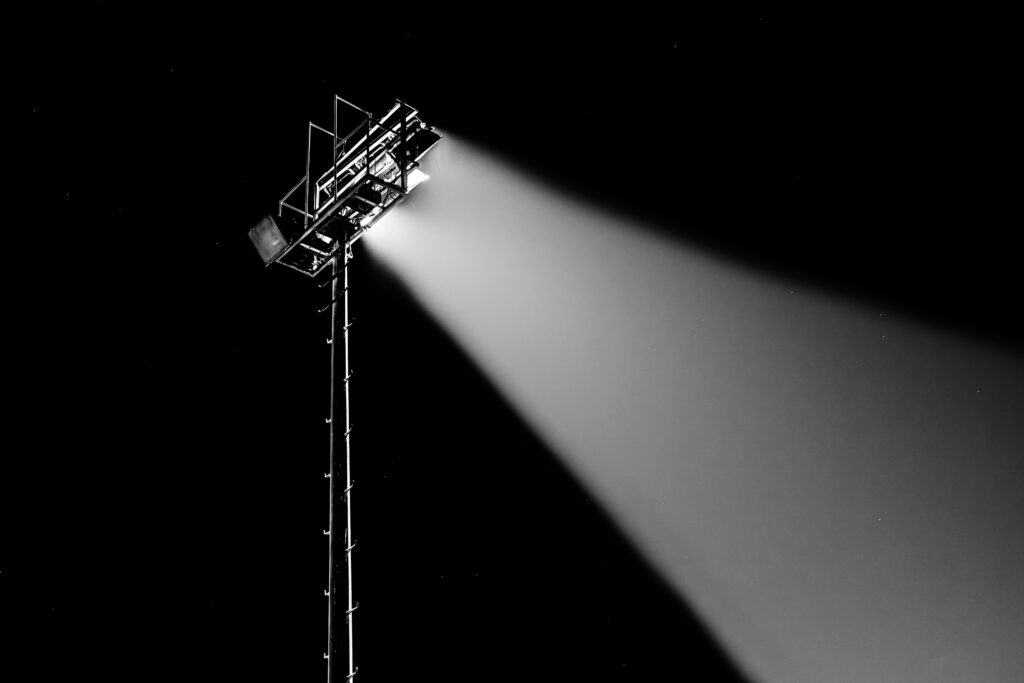

Good lighting starts with the right support system.
Many people focus on the light fixture. The pole matters just as much. A strong stadium light pole helps hold sports lighting at the correct height, improves light coverage, and supports long-term safety. Without the proper pole, even high-quality lighting fixtures may not perform as expected.
From school fields to professional stadiums, lighting systems depend on durable poles that can withstand weather, vibration, and daily use. Understanding how these structures work helps facility owners make better decisions when planning a lighting project.

What Is a Stadium Light Pole
A stadium light pole is a tall structure designed to support sports lighting fixtures above a playing field. Its height allows light to spread across a large area while reducing shadows. Stadiums, athletic fields, training facilities, and sports complexes commonly use these poles.
The pole acts as the foundation of the lighting system.
Its design affects visibility, safety, and lighting performance.
Why a Stadium Light Pole Matters
Lighting fixtures cannot perform properly without the correct mounting height.
A stadium light pole raises fixtures above the field to improve coverage.
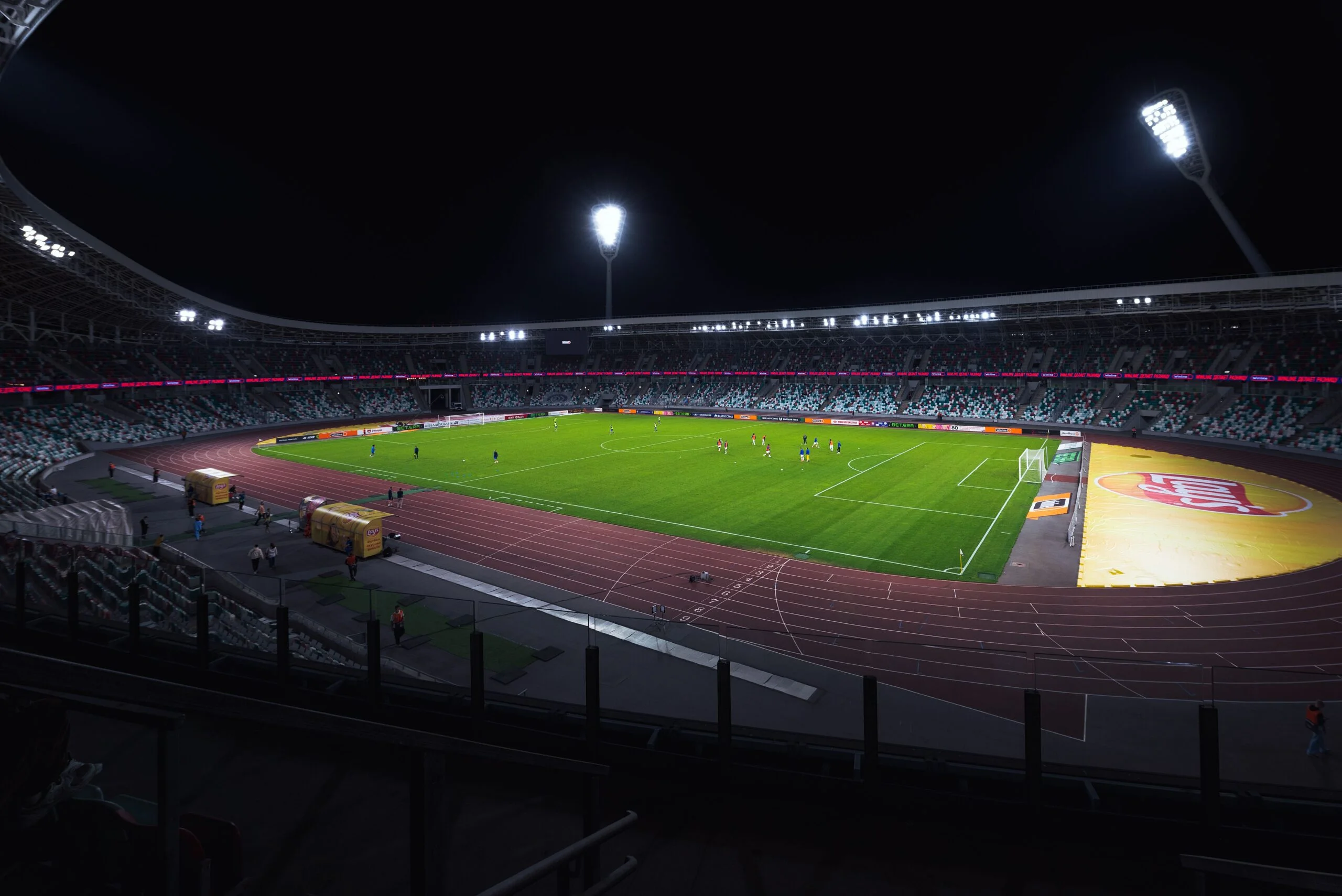
This helps players, coaches, referees, and spectators see clearly during games.
Better light distribution also reduces dark spots.
This creates a safer playing environment.
Common Applications
A stadium light pole is used in many sports facilities.
Common locations include:
- Soccer fields
- Football stadiums
- Baseball fields
- Softball complexes
- Tennis courts
- Cricket grounds
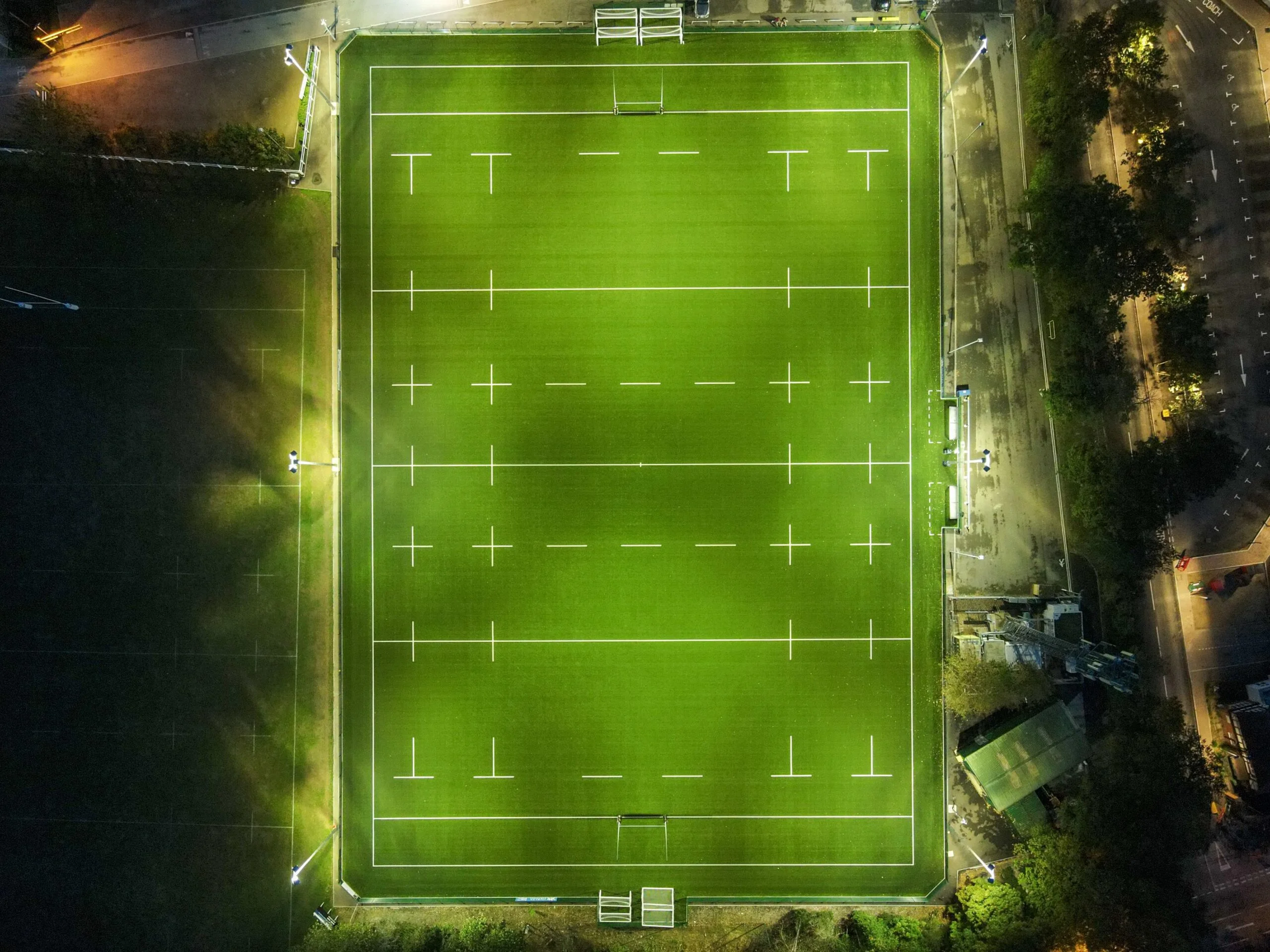
- Rugby fields
- Multi-sport facilities
Many schools and community parks also install sports lighting systems.
Typical Stadium Light Pole Heights
Pole height should match the size of the playing area.
Larger venues usually require taller poles.
Common heights include:
- 40 feet
- 50 feet
- 60 feet
- 70 feet
- 80 feet
- 100 feet or higher
Professional venues often use taller structures to improve lighting uniformity.
Materials Used in Stadium Light Poles
Most poles are made from durable materials.
Common options include:
- Steel
- Galvanized steel
- Aluminum
Steel remains one of the most popular choices because it offers strength and durability.
Galvanized coatings help protect the surface from corrosion.
Stadium Light Pole and LED Lighting
Modern sports facilities often combine a light pole with LED fixtures.
LED technology offers several benefits:
- Lower energy use
- Longer lifespan
- Faster startup
- Reduced maintenance
- Better light control
Together, the pole and fixtures create an efficient sports lighting system.
Wind Load and Structural Strength
Outdoor lighting systems face constant weather exposure.
Must support the weight of fixtures while resisting wind pressure.
Engineers calculate wind load before selecting a pole.
This helps prevent structural problems and supports long-term safety.
Foundation Requirements
Every lighting system needs a stable foundation.
The size of the foundation depends on:
- Pole height
- Fixture weight
- Soil conditions
- Wind load requirements
A properly designed foundation helps keep the structure secure for many years.
How Pole Placement Affects Lighting
Pole location is just as important as pole height.
Poor placement can create shadows and uneven coverage.
A well-positioned light pole helps distribute light evenly across the field.
This improves visibility during practices and games.
Maintenance Tips
Regular inspections help extend the life of lighting systems.
Maintenance tasks may include:
- Checking bolts
- Inspecting foundations
- Looking for corrosion
- Examining wiring
- Verifying fixture alignment
Routine inspections help identify small issues before they become costly repairs.
Choosing the Right Stadium Light Pole
Several factors affect the selection process.
Consider:
- Field size
- Pole height
- Fixture type
- Wind conditions
- Local building codes
- Maintenance access
Choosing the right pole improves lighting performance and system reliability.
Common Mistakes to Avoid
Some projects experience problems because of poor planning.
Common mistakes include:
- Choosing the wrong pole height
- Ignoring wind load requirements
- Poor foundation design
- Incorrect fixture placement
- Skipping maintenance inspections
Proper planning helps avoid these issues.
Benefits of Modern Stadium Light Poles
Today’s poles offer several advantages.
Benefits include:
- Strong structural support
- Long service life
- Compatibility with LED lighting
- Better field coverage
- Lower maintenance needs
- Improved safety
These advantages make them suitable for many sports facilities.
FAQs
What is a stadium light pole
A stadium light pole is a tall structure designed to support sports lighting fixtures above athletic fields and stadiums.
How tall is a stadium light pole
Most sports facilities use poles between 40 and 100 feet tall, depending on the size of the venue and lighting requirements.
What material is best for a stadium light pole
Steel and galvanized steel are commonly used because they provide strength and resistance to weather conditions.
Why are stadium light poles so tall
Greater height allows light to spread more evenly across the field while reducing shadows and glare.
Can LED fixtures be mounted on a stadium light pole
Yes. Many modern sports facilities use LED fixtures because they provide efficient lighting and lower maintenance costs.
How often should stadium light poles be inspected
Most facilities perform routine inspections at least once a year, along with additional checks after severe weather events.
Conclusion
A stadium light pole plays a key role in every sports lighting system. It supports lighting fixtures, improves field visibility, and helps create safe conditions for players and spectators. Pole height, placement, structural strength, and foundation design all affect lighting performance.
Whether the project involves a school field, community sports complex, or professional venue, selecting the right pole helps create reliable and consistent lighting. Careful planning and routine maintenance help protect the investment and support long-term performance.


