
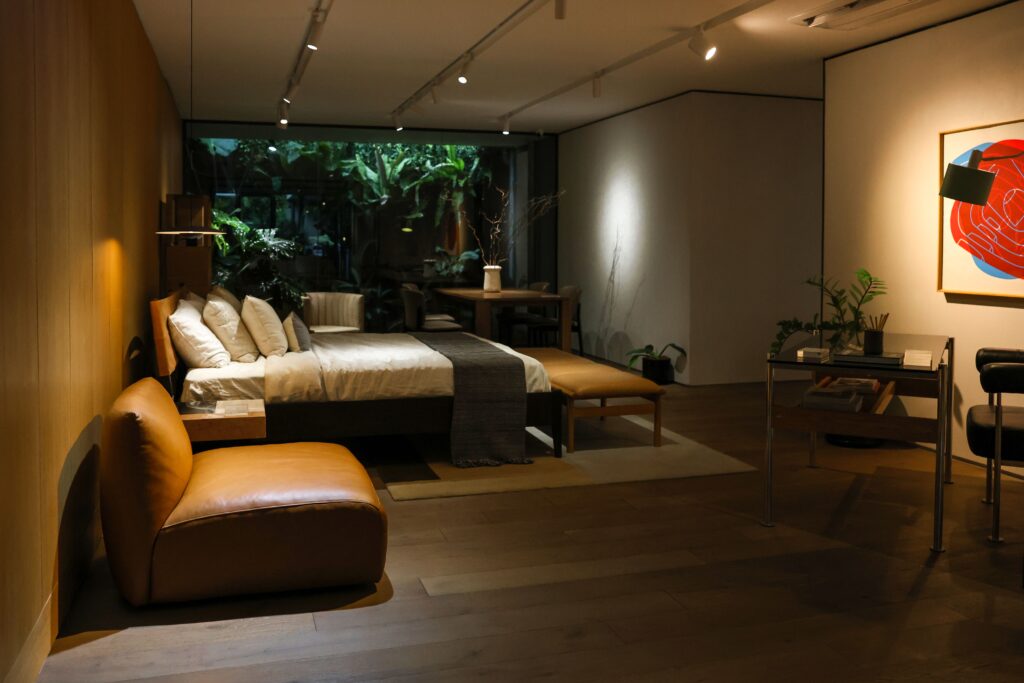

Lighting does more than brighten a room. It helps define spaces, highlights important features, and improves everyday comfort. Rail lighting has become a popular choice because it combines flexibility with modern design. Unlike traditional ceiling fixtures, it allows multiple light heads to be positioned exactly where light is needed.
Whether you’re updating a kitchen, living room, office, or retail space, understanding how rail lighting works helps you choose the right system. This guide covers its features, benefits, installation tips, and common mistakes to avoid.
What Is Rail Lighting
Rail lighting is a ceiling-mounted lighting system that uses a continuous rail to supply power to multiple adjustable light fixtures. The fixtures can be positioned along the rail to direct light toward specific areas, making the system suitable for both residential and commercial spaces.
Unlike fixed ceiling lights, rail lighting offers greater flexibility.
The adjustable fixtures allow you to focus light where it provides the most value.

Why Rail Lighting Is Popular
Many homeowners prefer lighting that adapts to changing needs.
Rail lighting makes it easy to highlight artwork, brighten workspaces, or create accent lighting without installing multiple ceiling fixtures.
Its clean appearance also complements modern interior styles.
The ability to reposition light heads makes the system useful even after furniture layouts change.
Best Places to Install Rail Lighting
Rail lighting works well in many environments.
Popular installation areas include:
- Kitchens
- Living rooms
- Dining rooms
- Home offices
- Hallways
- Art galleries
- Retail stores
- Restaurants
Its adjustable design makes it suitable for both small and large rooms.
Types of Rail Lighting
Several system designs are available.
Common options include:
- Straight rail
- Curved rail
- Flexible rail
- Monorail systems
Each design offers different styling options while providing adjustable lighting.
Choose a system that matches both your room layout and decorating style.
Benefits of Rail Lighting
Many people install rail lighting because it offers several practical advantages.
These include:
- Adjustable light direction
- Modern appearance
- Flexible fixture placement
- Suitable for LED bulbs
- Even light distribution
- Simple room customization
These features make it suitable for many lighting projects.
LED Compatibility
Most modern track lighting systems support LED bulbs.
LED lighting provides several benefits.
These include:
- Lower electricity use
- Longer operating life
- Reduced maintenance
- Lower heat production
- Stable brightness
LED bulbs also reduce operating costs over time.
Choosing the Right Rail Length
track size affects both appearance and lighting coverage.
Before purchasing, consider:
- Room dimensions
- Ceiling height
- Number of fixtures
- Furniture placement
Selecting the correct rail length helps create balanced illumination throughout the room.
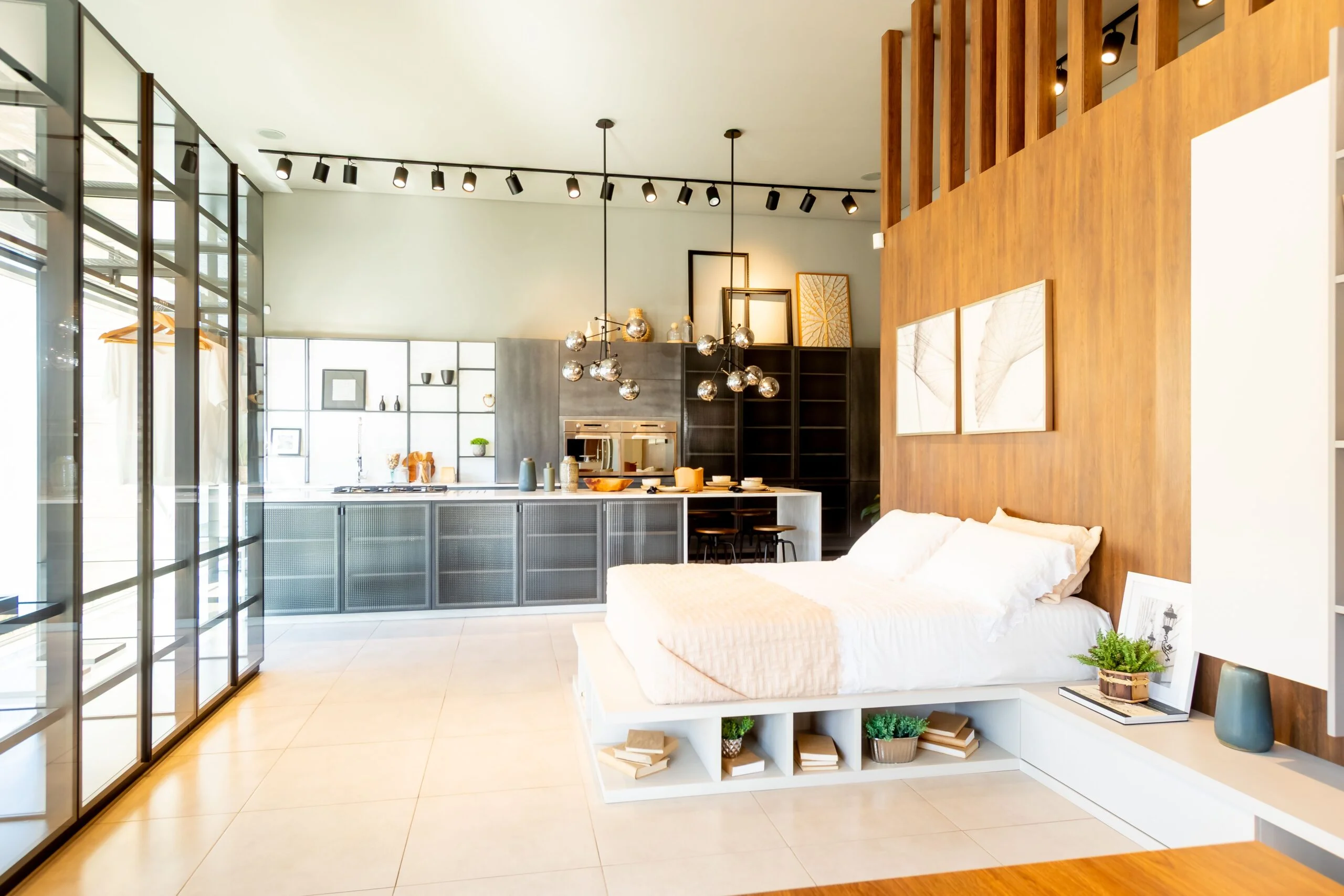
Selecting Light Heads
Different light heads produce different lighting effects.
Popular styles include:
- Spotlights
- Floodlights
- Decorative shades
- Adjustable cylinders
The right choice depends on whether the goal is task lighting, accent lighting, or general room illumination.
Rail Lighting for Kitchens
The kitchen is one of the most common locations for rail lighting.
Adjustable fixtures can illuminate:
- Countertops
- Islands
- Dining areas
- Cabinets
- Sinks
Directing light toward work surfaces improves visibility during food preparation.
Rail Lighting for Living Rooms
Living rooms often serve multiple purposes.
track lighting makes it easy to highlight artwork, bookshelves, entertainment centers, or seating areas.
The adjustable heads allow homeowners to update lighting without replacing the entire system.
Installation Tips
Proper installation improves both safety and performance.
Before installing:
- Turn off electrical power.
- Secure the mounting hardware.
- Follow the manufacturer’s instructions.
- Connect wiring correctly.
- Test each fixture.
- Adjust light direction after installation.
Choose a qualified electrician if you lack experience with electrical wiring.
Common Mistakes
Many installation problems result from poor planning.
Avoid these common mistakes:
- Choosing a rail that is too short
- Installing too few light heads
- Ignoring ceiling height
- Pointing fixtures in one direction
- Using incompatible bulbs
- Skipping fixture adjustments
Planning ahead helps create better lighting.
Cleaning and Maintenance
Regular maintenance keeps the system looking its best.
Remove dust with a soft microfiber cloth.
Clean light heads gently.
Check electrical connections during routine inspections.
Replace damaged bulbs promptly.
Proper care helps extend the life of the entire system.
Choosing the Right Rail Lighting System
Before purchasing, compare several important features.
Look at:
- Rail length
- Number of fixtures
- Finish
- LED compatibility
- Ceiling height
- Room size
Selecting the right combination improves both appearance and lighting performance.
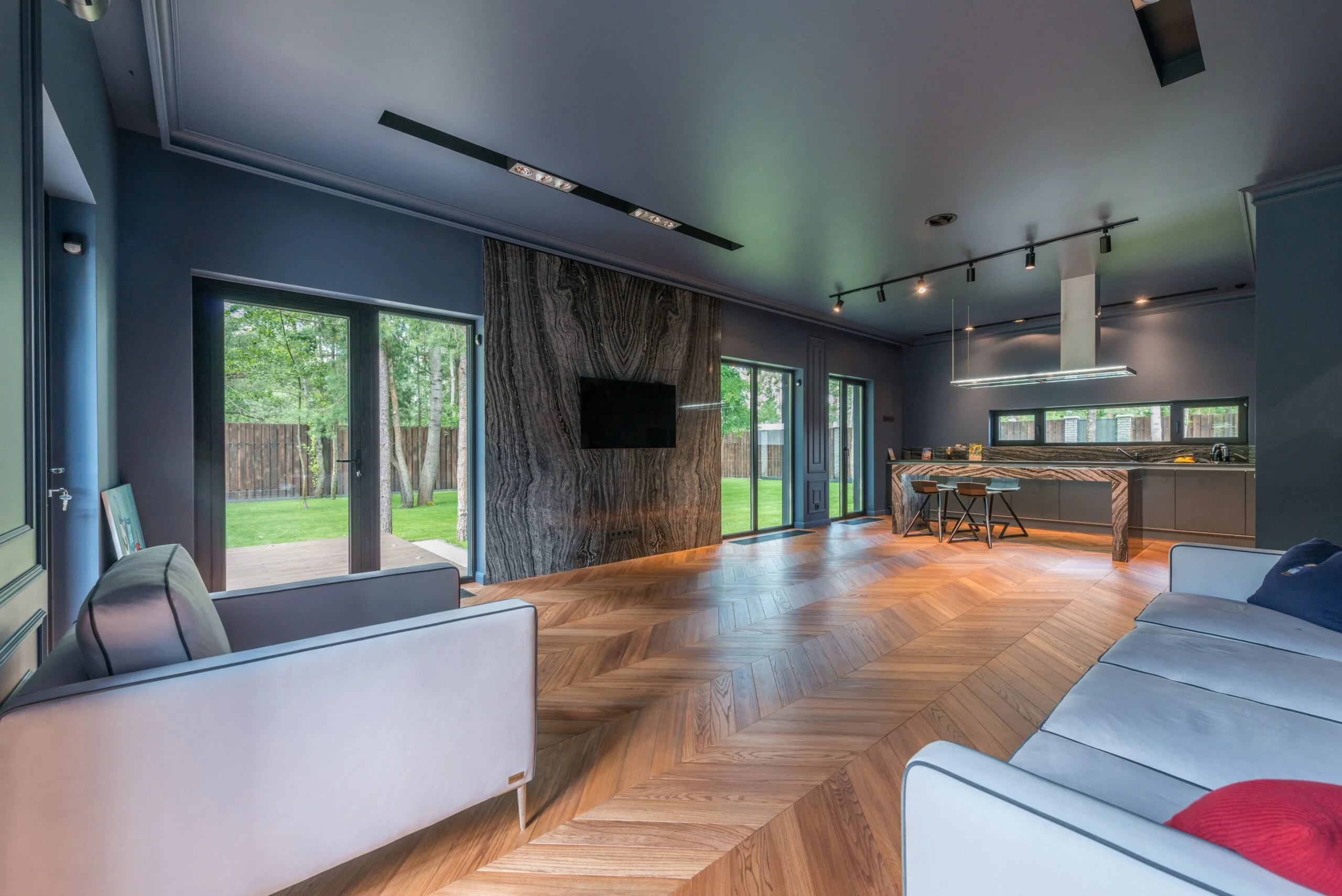
Interior Styles That Match Rail Lighting
track lighting complements many decorating styles.
Popular choices include:
- Modern
- Contemporary
- Industrial
- Minimalist
- Scandinavian
- Transitional
Its clean lines allow it to blend with changing interior trends.
Why Homeowners Choose Rail Lighting
Many homeowners choose track lighting because it offers flexibility that fixed ceiling fixtures cannot provide.
The adjustable heads allow lighting layouts to change without major renovations.
This option suits expanding households, remodeled homes, and flexible living spaces.
Read Also: Light Panel Round Modern Home Lighting
FAQs
What is rail lighting
Rail lighting is a ceiling-mounted lighting system that uses adjustable fixtures attached to a powered rail to provide flexible illumination.
Where can rail lighting be installed
It works well in kitchens, living rooms, dining rooms, offices, retail stores, restaurants, galleries, and hallways.
Can rail lighting use LED bulbs
Yes. Most modern systems are compatible with LED bulbs that provide long life and lower energy consumption.
Is rail lighting suitable for kitchens
Yes. It provides targeted lighting for everyday kitchen tasks.
How many light heads do I need
The number depends on the room size, rail length, and desired light coverage.
Is rail lighting difficult to install
Installation is straightforward for experienced installers. If electrical wiring is unfamiliar, hiring a licensed electrician is the safest option.
Conclusion
Rail lighting combines flexibility, modern design, and practical performance in one lighting system. Its adjustable fixtures make it easy to direct light exactly where it is needed, whether in a home, office, retail store, or hospitality space.
Before selecting a system, consider room size, ceiling height, fixture placement, and LED compatibility. Choosing the right configuration helps create comfortable, efficient lighting that continues to meet your needs as your space changes over time.


