
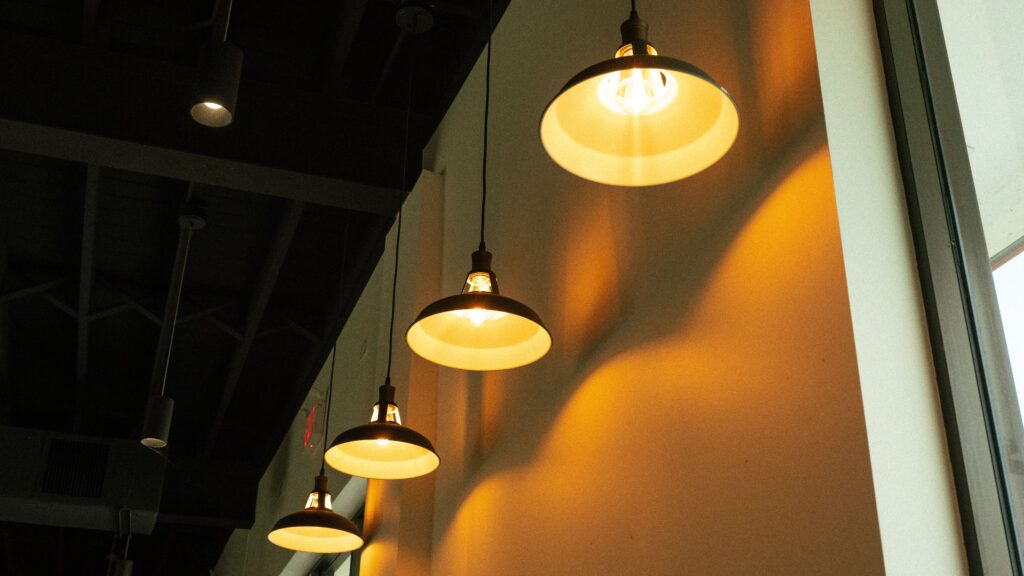

Good lighting makes a room easier to use and more comfortable to live in. The right fixture can brighten a dark corner, improve task visibility, and add style without taking over the space. Hi Lite lighting can suit homes, offices, retail areas, and other indoor settings where clean and useful illumination matters.
This guide explains the main features to consider, suitable applications, buying tips, installation points, and maintenance needs.
What Is Hi Lite Lighting
Hi Lite lighting refers to lighting products designed to provide dependable illumination for residential, commercial, and interior spaces. The range can include ceiling fixtures, task lights, decorative fixtures, and other lighting products, depending on the specific product line and application.
The exact features depend on the fixture.
Check the product specifications for brightness, size, power requirements, color temperature, and installation method.

Why Choose Hi Lite Lighting
Lighting should do more than look good.
It should also provide the right amount of light for the space.
Practical Illumination
A suitable fixture can provide general, task, or accent lighting.
Choose the type based on what you need the room to do.
Flexible Applications
Different lighting designs can work in bedrooms, kitchens, offices, hallways, retail areas, and hospitality spaces.
This makes it easier to match the fixture to the room.
Clean Design
Modern lighting often uses simple shapes and compact profiles.
These designs can work with both contemporary and traditional interiors.
LED Options
LED technology can provide strong light while using less electricity than traditional incandescent lighting.
Light fixtures also tend to have long operating lives.
Where Can Hi Lite Lighting Be Used
The right application depends on the fixture.
Kitchens
Use ceiling or task fixtures above counters, islands, and preparation areas.
Neutral white light often works well where clear visibility matters.
Living Rooms
Use a mix of ceiling, floor, and table lighting.
This creates different lighting levels for reading, relaxing, and entertaining.
Bedrooms
Warm white lighting can create a softer atmosphere.
Dimmable fixtures provide better control during different parts of the day.
Offices
Use bright, comfortable lighting around desks and work areas.
Position fixtures carefully to reduce glare on computer screens.
Retail Spaces
Retail lighting should provide clear visibility while supporting the appearance of products.
Brightness and color quality should match the merchandise and store layout.
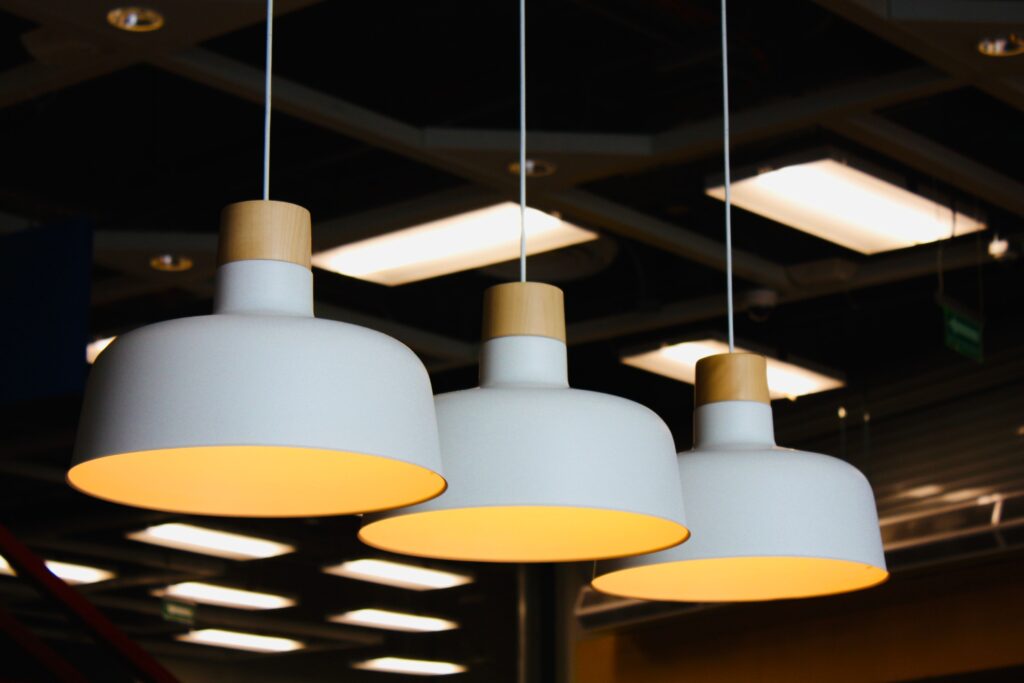
Choosing the Right Brightness
Brightness is measured in lumens.
A larger room generally needs more total light than a small room.
However, room size isn’t the only factor.
Ceiling height, wall color, furniture, natural daylight, and the task performed in the room also affect the lighting requirement.
Avoid choosing a fixture based only on wattage.
Wattage measures electrical power, while lumens indicate light output.
Choosing the Right Color Temperature
Color temperature affects the appearance of a room.
Warm white lighting between 2700K and 3000K is a practical choice for common living spaces.
Neutral white, often around 3500K to 4100K, works well in kitchens, offices, bathrooms, and work areas.
Cooler temperatures can provide a crisp appearance but may feel less comfortable in relaxation areas.
Checking Color Quality
Color rendering matters when accurate colors are important.
A higher CRI rating generally means colors appear closer to their appearance under natural or reference light.
High-CRI fixtures can work well in kitchens, retail spaces, art areas, dressing rooms, and other locations where color accuracy matters.
Choosing the Correct Fixture Size
Measure the room before buying.
A fixture that is too small may not provide enough coverage.
An oversized fixture may look out of proportion.
Also consider ceiling height and furniture placement.
For dining spaces, align the fixture with the table’s center.
For hallways, use consistent spacing to create even illumination.
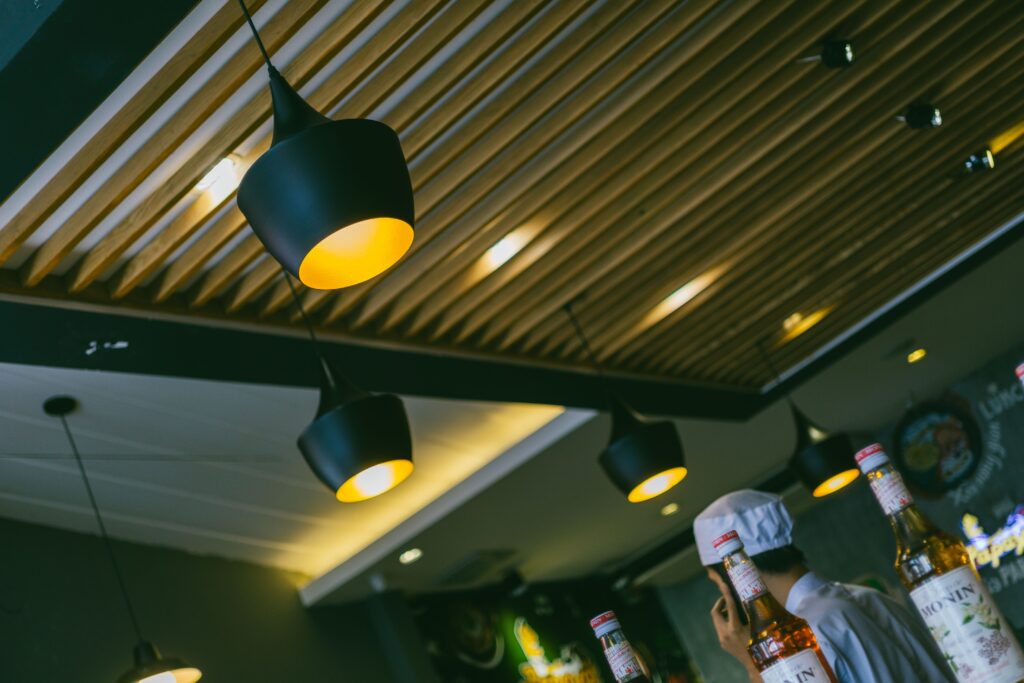
Buying, Installation, and Maintenance
Installation Tips
Plan the lighting layout before installation.
Mark each fixture location and check for electrical wiring, beams, pipes, and other obstructions.
Turn off the electrical power before starting any wiring work.
Follow the manufacturer’s mounting and wiring instructions.
Use professional electrical services when you are unsure how to proceed.
Common Buying Mistakes
Choosing Only by Appearance
A fixture may look attractive but provide unsuitable light.
Check lumens, color temperature, and beam distribution before buying.
Ignoring Room Size
Small fixtures may not provide enough coverage in large spaces.
Large fixtures can make compact rooms feel crowded.
Forgetting Dimming Compatibility
Not every LED fixture works with every dimmer.
Check compatibility before installation.
Overlooking Color Temperature
Using different color temperatures in one room can create an uneven appearance.
Choose a consistent lighting plan.
Ignoring Warranty Information
Review the warranty before purchase.
A longer warranty can provide useful protection against certain product defects.
Cleaning and Maintenance
Gently wipe fixtures with a microfiber cloth to remove dust.
Turn off the power before cleaning.
Avoid abrasive products that may damage the finish or diffuser.
Check fixtures for flickering, loose parts, damaged cables, or unusual heat.
Replace faulty components according to the manufacturer’s instructions.
Interior Design Ideas
Use ceiling lighting as the main layer of illumination.
Then add table lamps, floor lamps, wall lights, or cabinet lighting where needed.
Living room combine overhead light with floor lamps for reading.
Install under-cabinet lighting to brighten kitchen work surfaces.
Bedroom, use warm white ceiling lighting with bedside lamps.
In an office, place task lighting near the desk to reduce shadows.
Read Also: Wafer Lights
FAQs
What is Hi Lite lighting?
A range of lighting products for different indoor applications.
Is Hi Lite lighting suitable for homes?
Yes, depending on the fixture and its intended application.
Is LED lighting energy efficient?
Yes. LED fixtures generally use less electricity than incandescent lighting.
What color temperature works best?
Warm white suits living areas. Neutral white suits work areas.
Can LED fixtures be dimmed?
Some models support dimming. Check the specifications first.
How do I clean the fixtures?
Use a soft microfiber cloth and follow the manufacturer’s cleaning instructions.
Where can the fixtures be used?
Applications can include homes, offices, retail spaces, kitchens, bedrooms, and other interiors.
Conclusion
Hi Lite lighting can provide practical illumination while supporting different interior design needs. The best choice depends on the room, required brightness, color temperature, fixture size, installation method, and intended use.
Before buying, compare the product specifications carefully. A well-planned lighting layout can improve visibility, comfort, and the overall appearance of your space.


