
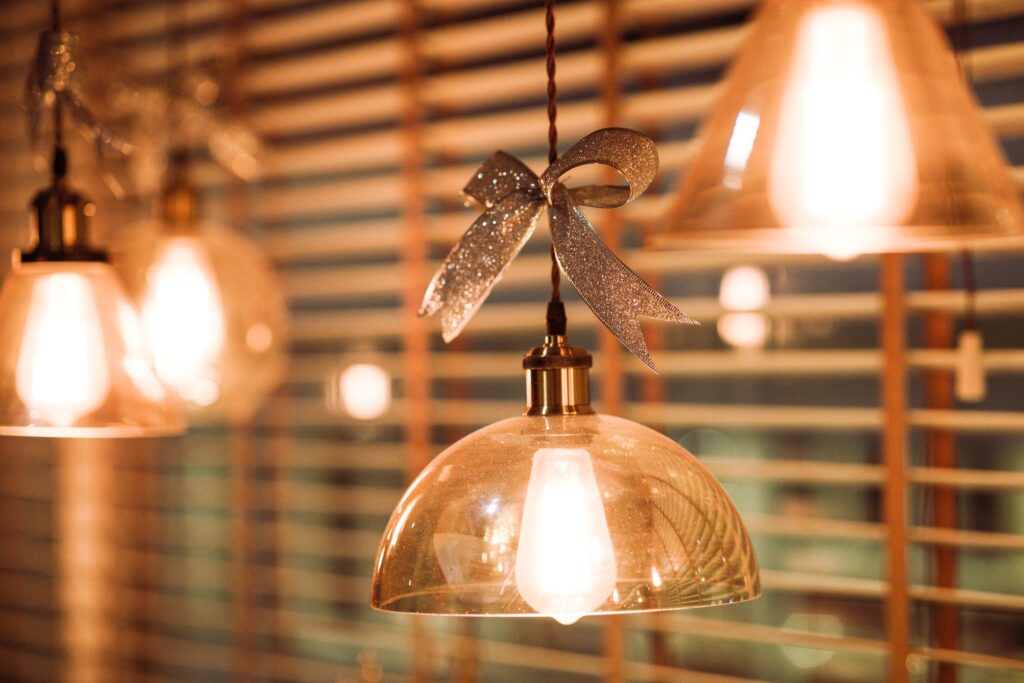

Lighting can change the mood of a room within seconds. A warm white bulb creates a soft, comfortable glow that works especially well in spaces designed for relaxing, dining, and spending time with family.
The right light also affects how wall colors, furniture, flooring, and décor appear. Understanding color temperature makes it easier to choose lighting that fits each room.
What Is a Warm White Bulb?
A warm white bulb produces a soft white light with a lower color temperature, commonly around 2700K to 3000K. This light has a yellow or golden appearance similar to traditional incandescent lighting, making it suitable for bedrooms, living rooms, dining areas, and other relaxing spaces.
Color temperature uses kelvins (K) as its unit of measurement.
Lower Kelvin values produce warmer-looking light. Higher values create cooler and bluer-looking light.

How Warm White Lighting Looks
Warm light creates a softer visual effect than neutral or cool white lighting.
It can make wood furniture look richer and create a comfortable appearance around upholstered furniture and natural materials.
This makes warm lighting popular in residential interiors.
The final appearance also depends on the bulb, lampshade, wall color, and surrounding light sources.
Benefits of Warm White Lighting
Creates a Comfortable Atmosphere
Warm light works well in rooms where people relax.
Living rooms, bedrooms, and dining spaces often benefit from its softer appearance.
Works Well With Natural Materials
Wood, leather, stone, and neutral fabrics often look attractive under warm lighting.
The warmer tone can bring out the natural colors of these materials.
Suitable for Evening Use
Many homeowners prefer warm lighting during the evening.
It provides enough illumination for everyday activities without creating the sharp appearance associated with some cooler light sources.
Fits Many Interior Styles
Warm lighting can work with farmhouse, traditional, modern, rustic, Mediterranean, and transitional interiors.
The neutral design flexibility makes it useful across many decorating styles.
Where to Use a Warm White Bulb
The best location depends on the purpose of the room.
Living Rooms
Use warm lighting in ceiling fixtures, floor lamps, table lamps, and wall sconces.
It creates a relaxed setting for reading, watching television, or entertaining guests.
Bedrooms
Warm light suits bedrooms because it creates a softer visual environment.
Use it in bedside lamps, ceiling fixtures, and accent lighting.
Dining Rooms
Warm lighting works particularly well above dining tables.
Pendant lights and chandeliers with warm bulbs can create a welcoming dining environment.
Hallways
Warm ceiling fixtures can make hallways feel less stark.
Use consistent color temperature throughout connected areas for a more balanced appearance.
Entryways
A warm light source can create a welcoming first impression.
Pair ceiling lighting with wall sconces or decorative lamps when additional illumination is needed.
Warm White vs Bright White
Warm and white lighting serve different purposes.
White warm typically falls around 2700K to 3000K.
Neutral white often ranges from about 3500K to 4100K.
Warm light works well in relaxing spaces.
Neutral white is often better for kitchens, offices, bathrooms, and areas where clear task visibility matters.
Choosing between them depends on the room’s function rather than appearance alone.
Warm White vs Cool White
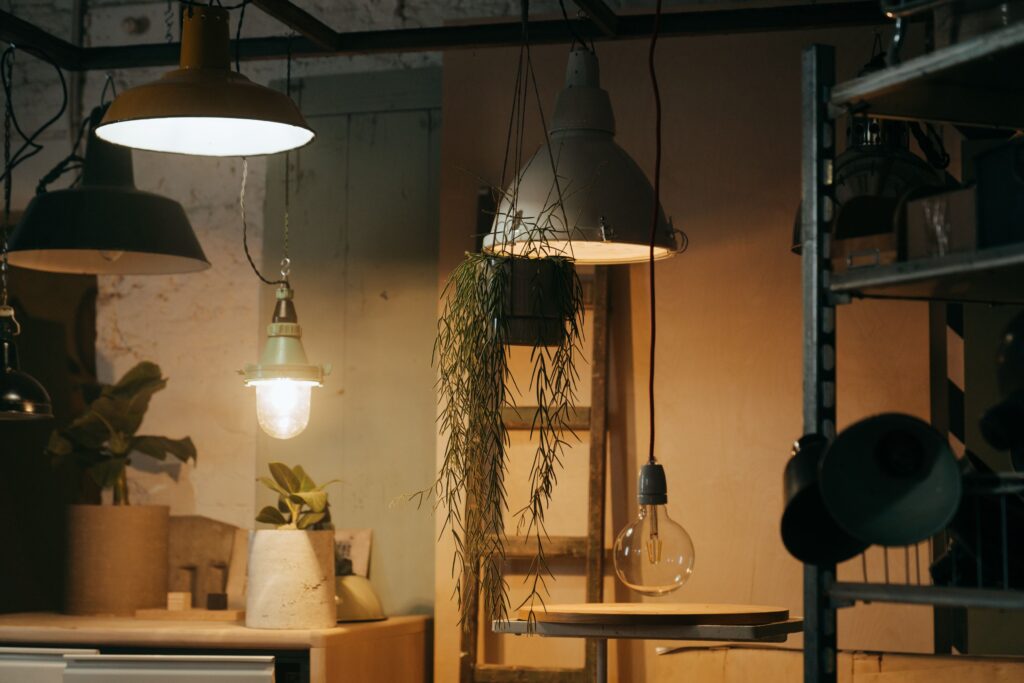
Cool white lighting generally has a higher color temperature.
It can create a brighter and crisper appearance.
This type of light may suit garages, workshops, utility areas, and some commercial spaces.
Warm lighting is usually better for areas where comfort and a softer appearance are priorities.
Choosing the Right Brightness
Color temperature isn’t the only factor to consider.
Brightness matters too.
Lumens show how bright an LED is, while watts indicate energy use.
A higher lumen rating means greater light output, but more light isn’t always better.
Consider the room size, ceiling height, wall color, natural daylight, and activities performed in the space.
For example, a bedroom may need less total light than a kitchen work area.
Choosing LED Warm White Bulbs
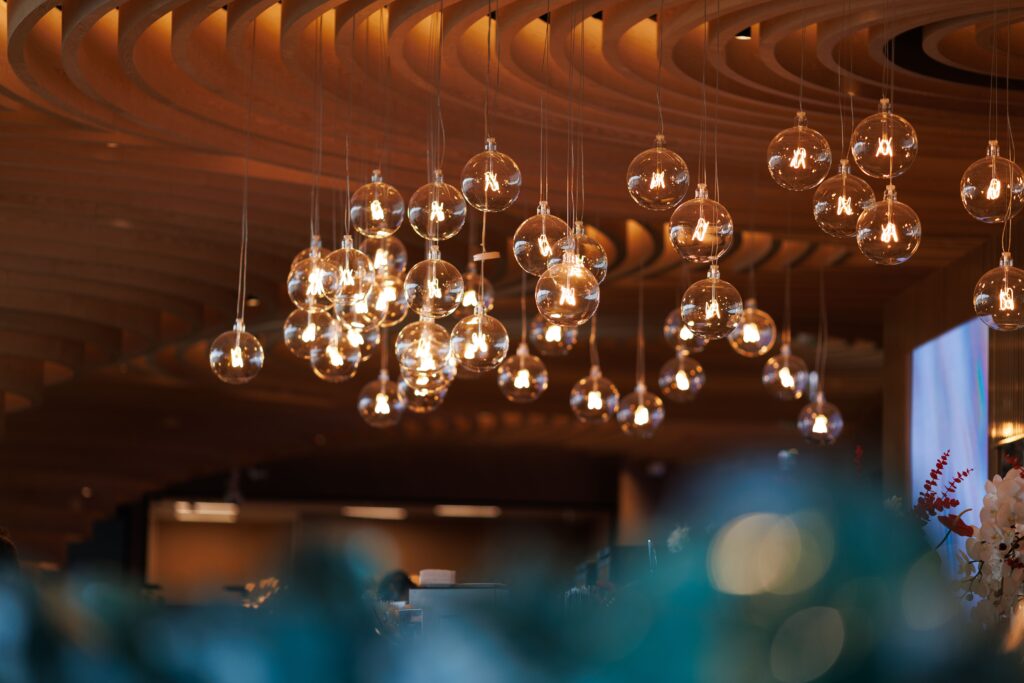
LED technology offers a practical option for residential lighting.
LED bulbs generally consume less electricity than incandescent bulbs and have longer rated operating lives.
When choosing an LED bulb, check:
- Lumens
- Kelvin rating
- Wattage
- Base type
- Bulb shape
- Dimming support
- Color rendering
- Fixture compatibility
Check the fixture’s maximum wattage before installing any replacement bulb.
Understanding CRI
Color Rendering Index, or CRI, indicates how accurately a light source shows colors compared with a reference light source.
A higher CRI can be useful in areas where color appearance matters.
Consider higher-CRI lighting for kitchens, dressing areas, artwork, and rooms with detailed décor.
Using Warm Lighting With Smart Bulbs
Smart LED bulbs can provide additional control.
Some models allow users to adjust brightness, schedules, and color temperature through an app or compatible smart-home system.
If you want fixed warm lighting, choose a bulb with the desired Kelvin rating.
If you want flexibility, a tunable model may provide several color-temperature settings.
Installation Tips
Correct installation helps lighting perform safely and consistently.
Check the Fixture
Confirm that the bulb base, size, and wattage match the fixture.
Never exceed the fixture’s maximum wattage rating.
Turn Off the Power
Switch off the light before replacing a bulb.
For fixed electrical work, turn off the circuit breaker and follow proper electrical safety procedures.
Check Dimming Compatibility
Not every dimmer switch is designed for LED bulbs.
Use a compatible dimmer when adjustable brightness is required.
Position the Bulb Correctly
Make sure the bulb sits securely in the socket.
For decorative fixtures, check the bulb position so light spreads across the intended area.
Common Buying Mistakes
Choosing the right bulb involves more than selecting a color.
Avoid these common mistakes.
Choosing Only by Wattage
Wattage shows power consumption, not brightness.
Check lumens when comparing light output.
Ignoring Kelvin
Two bulbs can have similar brightness but look very different.
Check the Kelvin rating before buying.
Choosing the Wrong Base
Common bases include E26, E12, GU10, and others.
Match the bulb base with the fixture socket.
Forgetting Dimming Support
A dimmable fixture doesn’t automatically mean every LED bulb will dim correctly.
Check compatibility before purchase.
Mixing Color Temperatures
Using different color temperatures in the same visible area can create an uneven appearance.
Keep connected spaces consistent when possible.
Cleaning and Maintenance
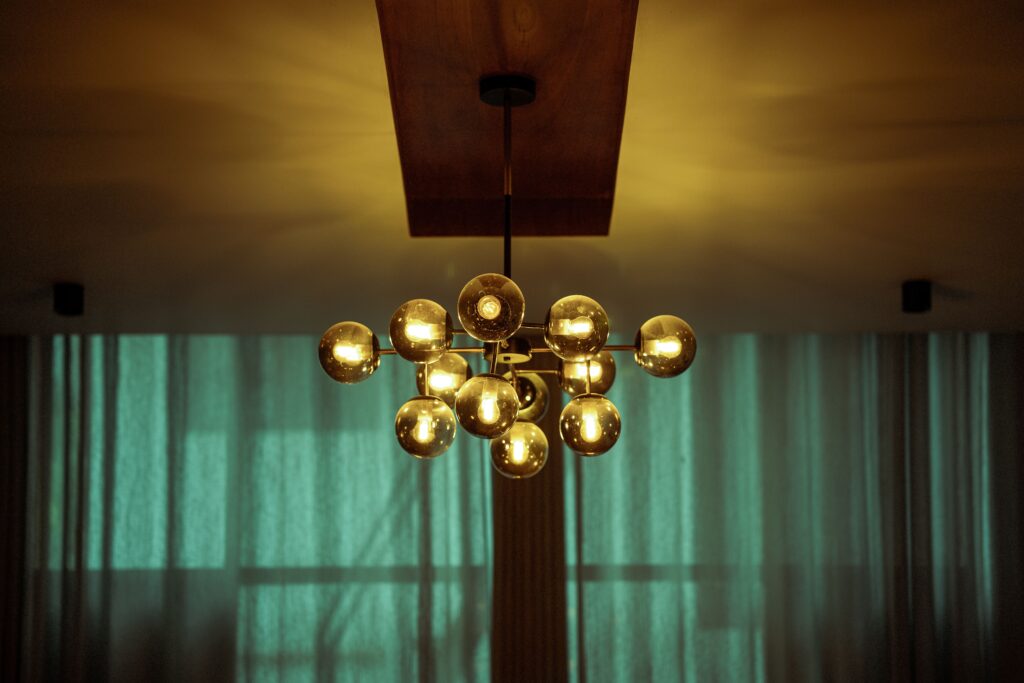
Regular cleaning helps maintain brightness.
Turn off the light and allow the bulb to cool before handling it.
Wipe the bulb with a soft, dry microfiber cloth.
For enclosed fixtures, clean dust from the shade and surrounding surfaces according to the manufacturer’s instructions.
Replace bulbs that flicker, fail to start, or show visible damage.
Don’t use damaged bulbs.
Interior Design Ideas
Lighting works best when it supports the room’s overall design.
Living Room
Use warm lighting in floor lamps, table lamps, and ceiling fixtures.
Combine different light sources to create layers.
Bedroom
Place warm bulbs in bedside lamps and ceiling fixtures.
Use dimming where possible for greater control.
Dining Room
A warm bulb above the dining table can create a comfortable setting for meals.
Keep the fixture centered over the table.
Kitchen
Warm lighting can work in decorative areas, but task zones may benefit from neutral white light.
Use separate lighting layers for counters and general illumination.
Bathroom
Warm lighting can work in decorative bathroom areas.
For mirrors and grooming areas, consider a color temperature that provides clear visibility and accurate color appearance.
Home Office
Warm lighting can work in accent lamps, but desk areas may benefit from neutral white illumination.
Choose based on the task and your visual comfort.
Using Warm Lighting in Different U.S. Climates
Lighting preferences can vary by home design and natural daylight.
In areas with strong natural sunlight, warm interior lighting can provide a softer contrast during the evening.
In regions with long, dark winters, layered indoor lighting can make living areas feel more comfortable.
Local building and electrical requirements should always be checked before permanent electrical installation.
Read Also: Corn Bulb Light
Colour Temperature FAQs
What color temperature is warm white?
Usually 2700K to 3000K.
Is warm white good for bedrooms?
Yes. It creates a softer atmosphere.
Is warm white good for living rooms?
Yes. It’s well suited to relaxing spaces.
Is warm white good for kitchens?
Yes for general or decorative lighting. Task areas may suit neutral white.
Does warm white use more electricity?
Not because of its color temperature. Energy use depends mainly on the bulb technology and wattage.
Are LED warm white bulbs energy efficient?
Yes. LED bulbs generally use less electricity than incandescent bulbs.
Can warm white bulbs be dimmed?
Yes, when the bulb and dimmer are compatible.
What is better, warm white or cool white?
Warm white suits relaxing areas. Cool white suits task-focused spaces.
Does warm white make a room look yellow?
It can have a yellow or golden appearance, especially at lower Kelvin ratings.
Conclusion
A warm white bulb can create comfortable, inviting lighting throughout a home. Its lower color temperature works particularly well in bedrooms, living rooms, dining rooms, hallways, and other areas where a softer atmosphere matters.
Before buying, check the Kelvin rating, lumen output, base type, wattage, CRI, dimming support, and fixture compatibility. Use different color temperatures only when they serve a clear purpose.
A thoughtful lighting plan can make each room easier to use while keeping the overall home comfortable and visually consistent.


