
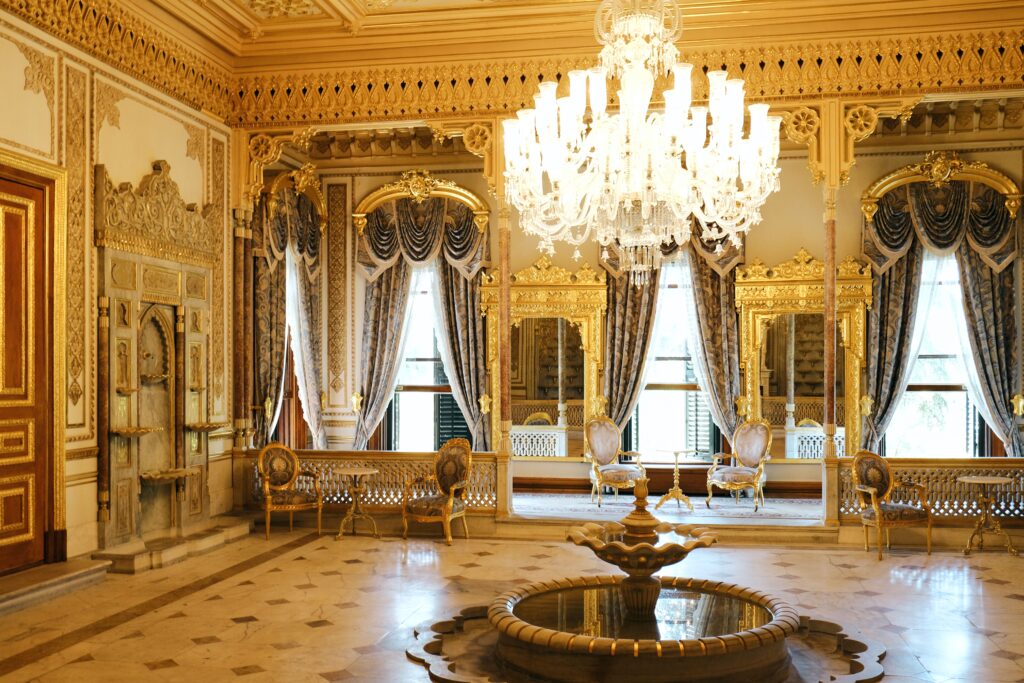

Glass lighting can do more than illuminate a room. It can also shape the character of an interior through color, texture, transparency, and form. Venetian-inspired fixtures are especially known for decorative glasswork and refined details.
For U.S. homeowners, choosing this style requires attention to more than appearance. Fixture size, glass type, bulb color, installation location, and maintenance all affect how the finished lighting looks and performs.
What Is a Venetian Light?
A Venetian light is a decorative lighting fixture influenced by the glassmaking traditions of Venice and Murano, Italy. It often features hand-shaped or decorative glass, detailed forms, elegant colors, and artistic elements. These fixtures can serve as ambient, accent, or decorative lighting in residential and commercial interiors.
The term can describe different fixture types rather than one specific design.
You may find Venetian-inspired chandeliers, pendant lights, wall sconces, table lamps, and ceiling fixtures.
The glass itself is often the main visual feature.

Venetian Glass and Lighting Design
Venetian glass has a long association with decorative glassmaking. Murano, an island near Venice, became particularly well known for its glassmaking traditions.
Modern lighting inspired by this tradition can include clear, colored, frosted, textured, or decorative glass.
Glass also affects how light moves through a fixture. Clear glass allows more direct transmission, while frosted or textured glass can scatter light and soften its appearance. (Risen Lighting Co.,Ltd)
This makes the glass an important part of both the fixture’s design and its lighting performance.
Common Types of Venetian-Inspired Fixtures
Chandeliers
A chandelier can become the central feature of a dining room, foyer, living room, or high-ceilinged entryway.
Decorative glass arms, drops, flowers, or other details can create visual interest even when the fixture is switched off.
Pendant Lights
Pendant fixtures work well above kitchen islands, dining tables, breakfast areas, and seating spaces.
The hanging design can provide task or ambient lighting while adding a decorative focal point. Pendant lights are widely used for both functional and decorative purposes. (Angi)
Wall Sconces
Wall sconces are useful when ceiling space is limited or when additional accent lighting is needed.
A glass sconce can add decorative detail to hallways, bedrooms, dining rooms, and living spaces.
Table Lamps
A decorative table lamp can provide localized light without requiring permanent installation.
It can work on a console, nightstand, side table, desk, or entryway surface.
Ceiling Fixtures
Flush and semi-flush fixtures can provide general illumination while keeping the decorative glass close to the ceiling.
These are useful in rooms where a long pendant or chandelier would not suit the ceiling height.
Clear Glass vs Frosted Glass
The type of glass changes the way a fixture distributes light.
Clear glass allows the light source to remain more visible and can produce a direct, crisp effect.
Frosted glass scatters light and can create a softer appearance with less visible glare. (Risen Lighting Co.,Ltd)
Opal glass provides another option. Its milky appearance can create more uniform diffusion and is often used where a softer glow is preferred.
Textured glass can add another layer of visual detail. Ribbed, seeded, hammered, and patterned surfaces can interact with light to create reflections and subtle patterns.
Choosing the Right Color
Glass color can influence both the appearance of the fixture and the atmosphere of the room.
Clear glass works well with minimalist and transitional interiors.
Amber or gold-toned glass can create a warmer appearance.
Smoked glass can provide a darker, more atmospheric effect.
Colored glass can be used when the fixture is intended to function as a strong decorative feature.
The bulb also matters.
A 2700K or 3000K LED can produce a warm appearance that complements decorative glass. A 4000K LED generally looks cleaner and more neutral.
Where to Use Venetian Lighting
Entryways
An entryway creates the first impression of a home.
A decorative chandelier or pendant can establish the style of the space while providing useful ambient illumination.
For homes with traditional or period-inspired architecture, lantern and decorative fixture styles can complement the building’s character. (This Old House)
Dining Rooms
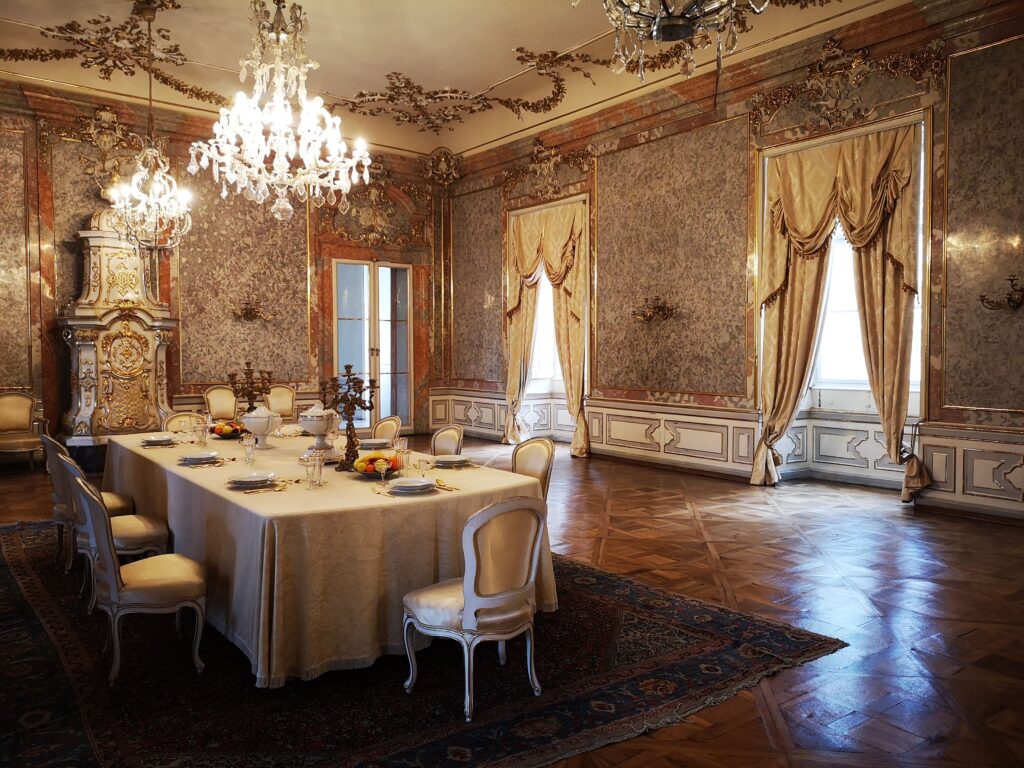
A decorative chandelier above a dining table can provide both visual focus and ambient illumination.
The fixture should be sized according to the table and room.
A large fixture may overwhelm a small dining area, while a fixture that is too small may lose its visual impact.
Living Rooms
A decorative ceiling fixture can become part of the room’s overall design.
Use additional lamps or sconces when the central fixture doesn’t provide enough illumination for reading or other activities.
Lighting professionals commonly separate lighting into ambient, task, and accent layers rather than depending on one fixture for every purpose. (HGTV)
Bedrooms
A smaller chandelier, pendant, or pair of wall sconces can add decorative character to a bedroom.
Warm LED bulbs can complement fabrics, wood furniture, and softer interior colors.
Hallways
Wall sconces can provide gentle illumination along hallways while adding decorative detail to otherwise plain walls.
Choose fixtures that don’t project too far into the walking path.
Matching the Fixture to Interior Style
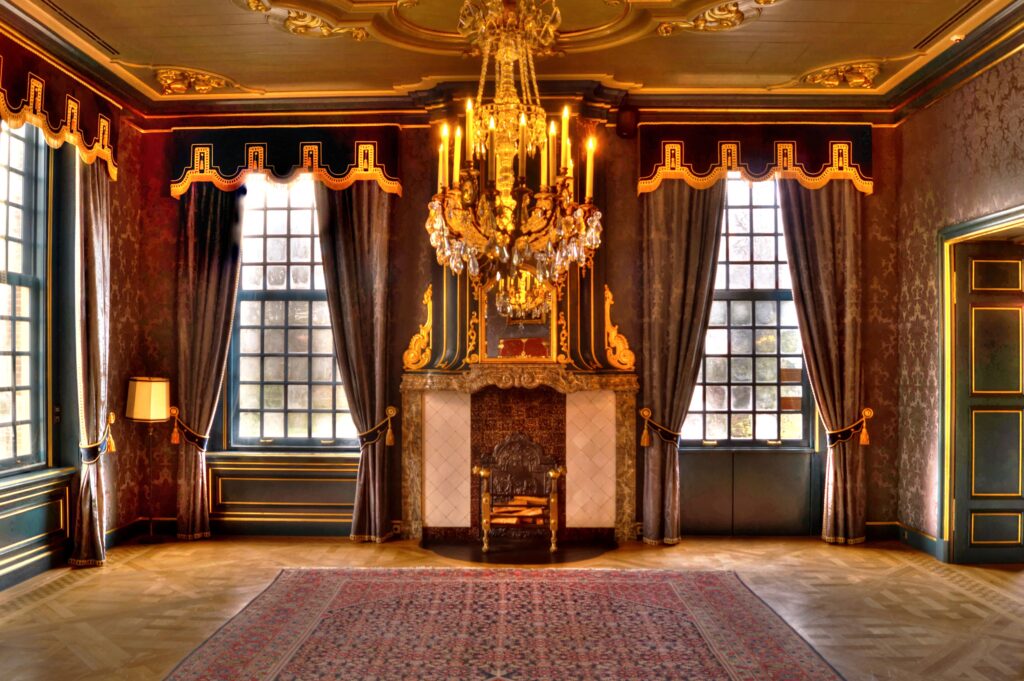
A decorative glass fixture doesn’t have to be used only in traditional interiors.
It can also work in transitional, contemporary, eclectic, Mediterranean, and modern spaces.
The key is balance.
A highly detailed fixture can act as the focal point in a simple room.
In a room that already contains strong patterns, artwork, and decorative furniture, a simpler glass fixture may create a better visual balance.
Size Matters
Fixture scale is one of the most important buying considerations.
Measure the room before purchasing.
For the dining room, consider the table length and width.
Foyer: consider ceiling height and the amount of open floor space.
For bedroom or hallway, make sure the fixture doesn’t dominate the available area.
Pendant fixtures should also be positioned at an appropriate height so they provide useful illumination without obstructing normal movement or sightlines.
Buying Tips
Choosing a decorative glass fixture requires attention to size, glass quality, electrical specifications, and the room where it will be installed.
Check the Fixture Size
Measure the room before purchasing.
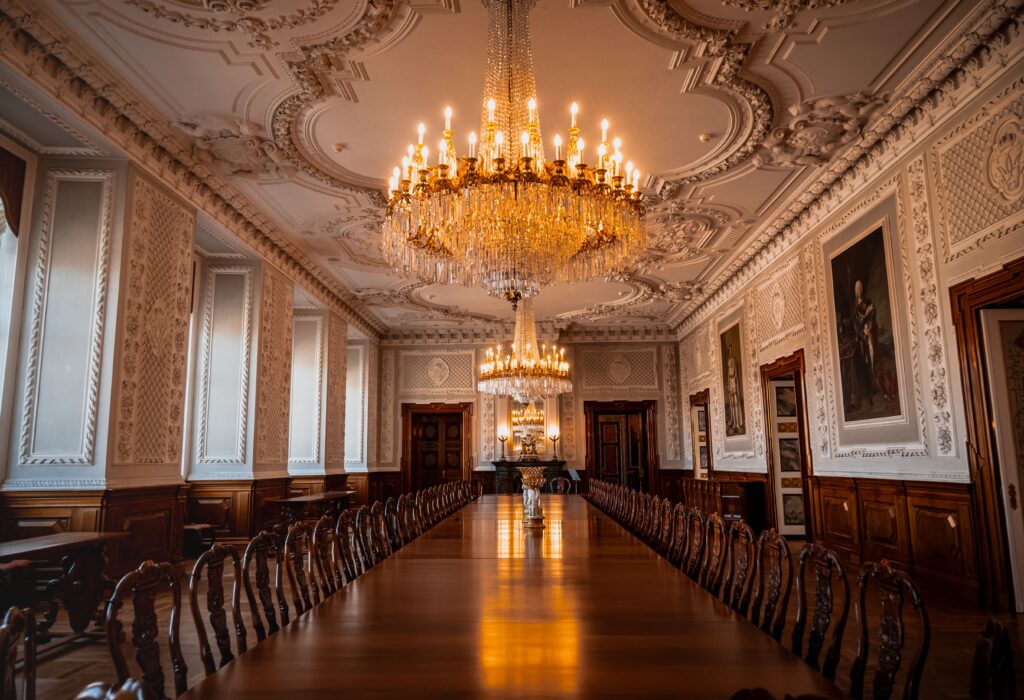
A large chandelier can work well in a spacious foyer or dining room but may overwhelm a smaller space.
For a dining table, consider both the table dimensions and the ceiling height. The fixture should provide enough visual presence without blocking normal sightlines.
Check the Glass
Look closely at the glass finish.
Clear, frosted, colored, textured, and opaline glass can produce very different effects.
If you are purchasing authentic Murano glass, ask about the maker, origin, documentation, and authenticity. A product described as “Venetian style” or “Murano style” does not necessarily mean it was made in Murano. (vigems.com)
Check the Bulb Specification
Confirm the socket type, maximum wattage, voltage, and recommended bulb shape.
Some Italian glass fixtures use E14 or E27 sockets, but specifications vary by model. (Murano Classics)
LED bulbs are often a practical choice because they produce less heat than traditional incandescent lamps and can reduce energy use.
Consider the Color Temperature
Warm LEDs around 2700K can complement colored and clear decorative glass by creating a softer glow. (vigems.com)
For a cooler, cleaner appearance, consider a higher Kelvin rating.
Test the bulb with the glass whenever possible because the glass color can change how the light appears.
Common Buying Mistakes
Choosing Only by Appearance
A fixture can look perfect in a product photograph but still be unsuitable for the room.
Check its dimensions, weight, mounting requirements, bulb specifications, and electrical compatibility before purchasing.
Buying the Wrong Size
Scale is one of the most common design problems.
A small fixture can disappear in a large room.
An oversized fixture can dominate a compact dining room or bedroom.
Measure first and compare the fixture dimensions with the furniture below it.
Ignoring Ceiling Support
Large glass chandeliers can be substantial.
The ceiling connection and junction box must be capable of supporting the fixture.
Manufacturer installation instructions should be followed, and qualified installation is recommended for substantial glass fixtures. (glassofvenice.com)
Assuming All Venetian-Style Glass Is Authentic
Not every decorative glass fixture has the same origin or craftsmanship.
If authenticity matters, request clear information about where the glass was produced and whether supporting documentation is available.
Installation and Placement
Installation should be planned before the fixture arrives.
For hardwired fixtures, a qualified electrician can check the electrical connection, ceiling box, grounding, voltage, and local requirements.
Some manufacturer instructions specifically recommend qualified electrical installation and compliance with local safety standards. (glassofvenice.com)
Dining Room Placement
A chandelier usually works best when centered over the dining table.
The hanging height should leave enough clearance for people to sit comfortably and maintain a clear view across the table.
Foyer Placement
A decorative fixture can create a strong focal point in a foyer.
For high ceilings, consider the fixture’s total drop, the door clearance, staircase position, and sightlines from surrounding rooms.
Bedroom Placement
Use smaller chandeliers or pendants where the ceiling height and room proportions allow.
Keep the fixture clear of doors, wardrobes, and areas where people move frequently.
Wall Sconce Placement
Install wall sconces at a height that provides useful illumination without placing the light directly into the eyes.
For pairs of sconces, measure carefully so they appear balanced on both sides of mirrors, artwork, beds, or architectural features.
Electrical Safety
Older decorative lighting deserves additional attention.
Vintage fixtures can have aging wiring or components that no longer meet current electrical requirements. A qualified electrician should inspect older wiring before installation. (vigems.com)
For U.S. projects, confirm the fixture’s voltage and electrical configuration before purchase.
Also check whether the product has the certifications or approvals required for the intended installation.
Cleaning and Maintenance
Decorative glass can show dust more easily than simple metal fixtures.
Regular gentle cleaning helps maintain the appearance.
Basic Cleaning
- Turn off the power.
- Allow the bulbs and glass to cool.
- Remove loose dust with a soft microfiber cloth.
- Support delicate glass pieces while cleaning.
- Use only the cleaning method recommended by the manufacturer.
- Dry the glass completely before restoring power.
Avoid spraying cleaner directly onto a chandelier because liquid can reach sockets, wiring, and other electrical components. (Bling Lighting Studio)
For removable glass, lukewarm water and a mild detergent may be appropriate when the manufacturer permits it. Avoid abrasive cleaners, harsh chemicals, sudden temperature changes, and dishwashers. (Venetian Murano Glass)
Large chandeliers installed over staircases or in high foyers are better handled by professional cleaners or installers.
Interior Design Ideas
Modern Interior
Pair a colorful glass fixture with simple furniture and uncluttered surfaces.
The lighting can become the room’s main decorative element without competing with multiple patterns.
Traditional Interior
Use warm glass colors with wood furniture, classic moldings, rugs, and traditional fabrics.
A chandelier can reinforce the architectural character of the room.
Transitional Interior
A transitional room can combine classic glass detailing with contemporary furniture.
Choose a fixture with enough decorative detail to stand out while keeping the surrounding finishes restrained.
Dining Room
Use a decorative chandelier as the focal point above the table.
Warm LED lighting can make the glass appear softer during evening meals.
Entryway
A statement pendant or chandelier can connect the entryway with the home’s interior style.
Choose a size that fits the ceiling height and surrounding architecture.
Bedroom
A smaller glass pendant or chandelier can provide decorative character above the center of the room.
Wall sconces can provide additional light without relying entirely on the ceiling fixture.
Creating a Balanced Lighting Plan
A decorative fixture shouldn’t always provide all the light in a room.
Combine ambient, task, and accent lighting where appropriate.
A chandelier can provide general illumination, while table lamps, floor lamps, and wall sconces provide focused or secondary light.
This layered approach also allows you to create different lighting levels throughout the day.
Read Also: Glacier Light
FAQs
What is a Venetian-style light?
A decorative fixture influenced by Venetian and Italian glassmaking traditions.
Is every Venetian-style light made in Venice?
No. The term can describe a style rather than a specific place of manufacture.
Is Murano glass the same as Venetian glass?
Murano is an island in the Venetian lagoon with a long-established glassmaking tradition. Not every Venetian-inspired fixture is made there. (vigems.com)
What bulb works well with decorative glass?
A warm LED around 2700K is commonly used to highlight colored and clear glass. (Vetro)
Are LED bulbs suitable for glass fixtures?
Yes, when the bulb meets the fixture’s socket, wattage, voltage, and enclosure requirements.
Can a large glass chandelier be installed by a homeowner?
Professional installation is recommended for substantial or hardwired fixtures.
How should decorative glass be cleaned?
Use a soft cloth and follow the manufacturer’s care instructions. Avoid harsh chemicals and direct spraying onto electrical components.
How often should glass lighting be cleaned?
Dust when needed and perform deeper cleaning according to the room’s dust, grease, and humidity levels.
Can decorative glass lighting work in a modern home?
Yes. A detailed glass fixture can create contrast against simple contemporary furniture and finishes.
Conclusion
A decorative glass fixture can combine illumination with artistic detail, making it useful as both a lighting source and an interior design feature.
The best choice depends on scale, glass type, bulb specification, ceiling height, electrical requirements, and the room’s overall design.
Before purchasing, verify the fixture’s dimensions and electrical details. If authenticity matters, confirm the glass’s origin and request appropriate documentation.
For installation, cleaning, and maintenance, follow the manufacturer’s instructions and use qualified professionals when the fixture is large, hardwired, difficult to reach, or electrically complex.
With the right size, placement, bulb, and surrounding design, a glass lighting fixture can remain a practical and distinctive part of a U.S. home for years.


