
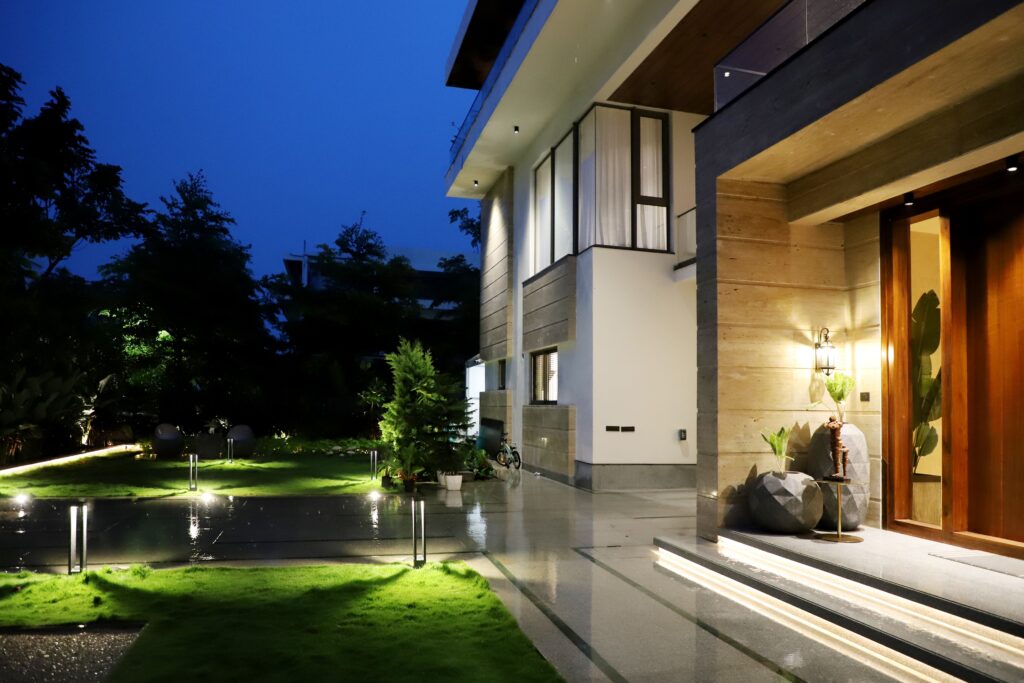

Outdoor lighting can change how a property looks and functions after sunset. The right arrangement can highlight trees, pathways, architectural details, patios, and entry points while making outdoor areas easier to use at night.
For homeowners exploring landscape lighting design clarence, the goal should be more than simply adding lights around a yard. Good design considers the property’s layout, existing landscaping, viewing angles, fixture placement, brightness, color temperature, and the way different areas connect after dark.
What Makes a Good Landscape Lighting Design
A good landscape lighting design creates balanced illumination without making the property look overly bright. It combines pathway, accent, architectural, and outdoor area lighting to improve visibility while directing attention toward important landscape features.
The best results usually come from using several types of fixtures rather than relying on one light source.
A pathway may need soft illumination near the ground, while a large tree may benefit from an uplight placed several feet away from its trunk.
The lighting should also work with the property’s existing design.

Start With the Property Layout
Before choosing fixtures, look at the yard during both daytime and nighttime.
Identify the features that deserve attention after dark.
These may include:
- Mature trees
- Garden beds
- Walkways
- Driveways
- Steps
- Retaining walls
- Patios
- Decks
- Entry doors
- Architectural details
- Water features
Do not automatically light every feature.
Leaving some areas darker can create contrast and make illuminated features stand out more naturally.
Use Layers Instead of One Bright Source
Layered lighting gives an outdoor space more depth.
Pathway Lighting
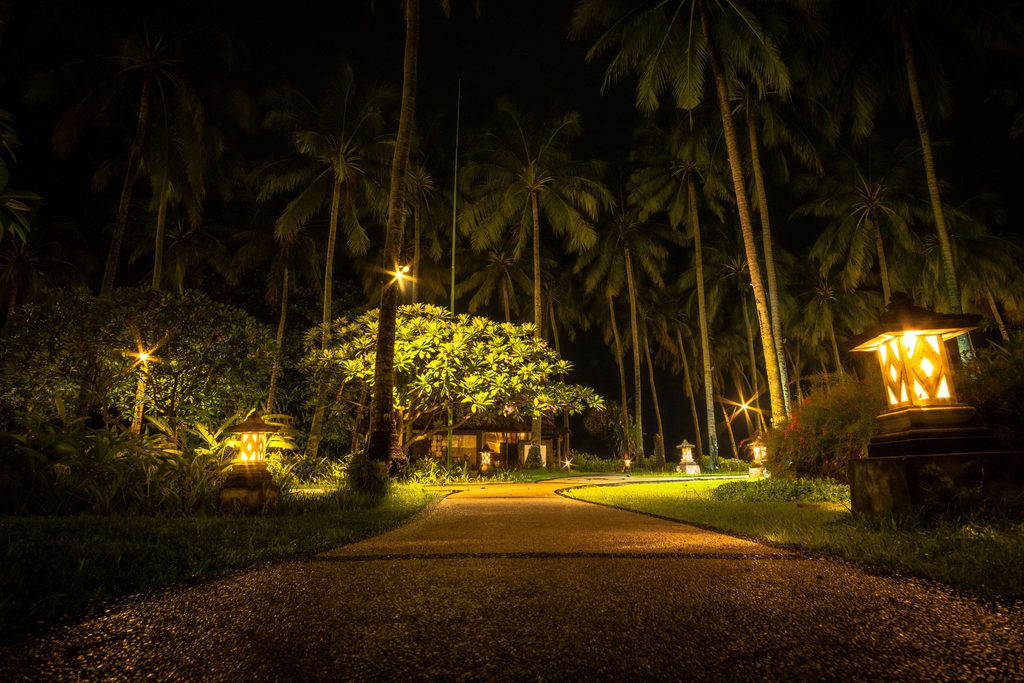
Path lights can help define walkways, garden paths, and transitions between outdoor areas.
Do not arrange every light in an exact straight line. Alternating positions can produce a more natural appearance while reducing the repetitive look that sometimes occurs with evenly aligned fixtures.
Accent Lighting
Accent fixtures can draw attention to trees, shrubs, sculptures, stonework, or other landscape features.
The beam angle should match the size and shape of the feature.
A narrow beam can work well for a tall tree, while a wider beam may be more suitable for a broad canopy.
Architectural Lighting
Wall washing and grazing can highlight exterior walls, columns, stone surfaces, and other architectural elements.
The fixture should be positioned according to the texture and distance of the surface.
Smooth walls may respond differently to light than textured brick or stone.
Tree Lighting Requires Careful Placement
Trees are among the most useful features for outdoor accent lighting.
However, placing a fixture directly beneath every tree can produce an unnatural appearance.
Consider the tree’s height, canopy shape, trunk texture, and surrounding planting.
A tall, narrow tree may need a focused beam.
A broad tree may look better with wider coverage or multiple carefully positioned fixtures.
Avoid aiming intense light directly toward windows or neighboring properties.
Think About Beam Angles
Beam angle determines how widely light spreads from a fixture.
A narrow beam provides focused light over a smaller space.
This can work well for:
- Tall trees
- Columns
- Statues
- Narrow architectural details
A wider beam covers more surface area.
It can be useful for:
- Broad trees
- Large walls
- Shrubs
- Wide planting beds
Choosing the beam angle based on the feature helps prevent excessive brightness and wasted light.
Warm White or Cool White for Outdoor Spaces
Color temperature also affects the appearance of a landscape.
Warm white lighting is commonly used for residential outdoor spaces because it creates a softer appearance around plants, wood, stone, and natural materials.
Cooler white light can provide a crisper appearance and may be useful where stronger visual clarity is needed.
For most residential landscape areas, consistency is important.
Mixing several noticeably different color temperatures can make connected outdoor spaces look disjointed.
Avoid Overlighting
One of the most common mistakes in outdoor lighting is using too many fixtures.
More light does not automatically produce a better design.
Excessive illumination can flatten shadows, reduce contrast, create glare, and make the property feel harsh.
Instead, consider what each fixture contributes.
If two fixtures illuminate the same feature from nearly identical positions, one may be unnecessary.
Reduce Glare and Light Spill
Glare can make outdoor lighting uncomfortable and can reduce visibility.
Fixtures should be positioned so the light source is not directly visible from common viewing areas whenever possible.
Shielding, proper aiming, and suitable mounting positions can help keep illumination where it belongs.
This is particularly important near:
- Bedroom windows
- Seating areas
- Driveways
- Neighboring properties
- Public sidewalks
A well-designed system should illuminate the landscape rather than draw attention to the bulbs themselves.
Clarence Properties Need a Site-Specific Approach
A local approach matters when planning landscape lighting design clarence projects.
Properties in Clarence can vary considerably in lot size, landscaping, home style, driveway arrangement, and outdoor living space.
A lighting plan for a compact residential yard may need only a few carefully positioned fixtures.
A larger property with mature trees, long walkways, gardens, and multiple outdoor areas may require several lighting zones.
Local weather and seasonal landscaping changes should also be considered.
Plants grow, branches change position, and garden beds are sometimes redesigned.
Fixtures that can be adjusted later can therefore be practical for long-term outdoor lighting.
Lighting for Driveways and Walkways
Safety lighting should provide enough visibility without creating excessive brightness.
Pathway fixtures can define walking routes and help identify changes in elevation.
Driveway lighting can help outline edges and entrances.
Avoid placing fixtures where they can become obstacles for pedestrians, lawn equipment, or vehicles.
Their height and position should also allow routine landscaping and maintenance around them.
Highlight the Front Entry
The entrance is one of the most important areas to consider.
A combination of entry lighting, pathway illumination, and subtle landscape accents can create a more welcoming arrival point.
Do not make the front door dramatically brighter than every other feature.
Instead, create a visual hierarchy that naturally guides the eye from the driveway or walkway toward the entrance.
Consider the View From Indoors
Outdoor lighting is not only experienced from the yard.
Homeowners also see their landscape through windows in the evening.
Look at the property from inside the living room, kitchen, bedroom, and other frequently used areas.
A beautifully illuminated tree or garden bed can become part of the home’s nighttime view.
At the same time, fixtures that shine toward windows can create unwanted glare.
Plan Lighting Zones
Separate lighting zones can make an outdoor system easier to control.
For example, the property could have separate controls for:
- Front entry
- Pathways
- Backyard
- Patio
- Garden areas
- Trees
- Security lighting
This allows homeowners to operate only the areas they need.
Timers, photocells, or compatible smart controls can provide additional control depending on the system.
Choose Fixtures for the Environment
Outdoor fixtures need to withstand their installation environment.
Look for products designed specifically for outdoor use and check their ratings before installation.
Materials also matter.
Fixtures exposed to moisture, soil, irrigation, or coastal conditions may require more attention than fixtures installed in sheltered locations.
Use suitable connectors, wiring methods, transformers, and protective equipment according to the manufacturer’s instructions and applicable electrical requirements.
Buying Tips for Outdoor Fixtures
Choosing fixtures for landscape lighting design clarence projects requires attention to more than appearance. The fixture needs to suit the feature being illuminated, the outdoor environment, and the overall lighting plan.
Match the Fixture to the Job
Use path lights for walkways, spotlights for trees and architectural details, and flood-style fixtures for broader areas.
Avoid using one fixture type throughout the entire property simply for convenience.
Check Outdoor Ratings
Outdoor fixtures should be rated for their intended location.
Check the manufacturer’s specifications for weather resistance, operating conditions, voltage, materials, and installation requirements.
Consider LED Lighting
LED fixtures are widely used in outdoor residential lighting.
They can provide efficient illumination, long operating life, and compact fixture designs. Choose the lumen output based on the feature and desired brightness rather than selecting the highest output available.
Look for Adjustable Fixtures
Adjustable fixtures can be useful as landscaping changes.
A tree may grow beyond its original shape, or shrubs may become taller and wider. Adjustable aiming allows the lighting to be repositioned without necessarily replacing the fixture.
Common Design Mistakes
Using Too Many Lights
Crowding a garden bed with fixtures can make the area appear overly bright.
Start with fewer fixtures and add illumination only where a clear lighting purpose exists.
Creating Uniform Brightness
Outdoor spaces look more natural when there is a balance between illuminated and darker areas.
If every tree, shrub, wall, and pathway receives the same brightness, the landscape can lose depth.
Ignoring Shadows
Shadows are not always a problem.
Controlled shadows can add depth to trees, walls, and textured surfaces. The goal is to avoid unwanted dark areas on paths and steps while using contrast intentionally elsewhere.
Placing Fixtures Too Close to Features
A fixture positioned directly against a tree or wall may create an uneven hotspot.
Moving the fixture farther away can provide broader and more natural coverage.
Forgetting Future Growth
Plants do not remain the same size.
When planning landscape lighting design clarence, consider how trees and shrubs may develop over the next several years.
Installation and Placement
Installation should follow the fixture manufacturer’s instructions and applicable electrical requirements.
Position Path Lights Carefully
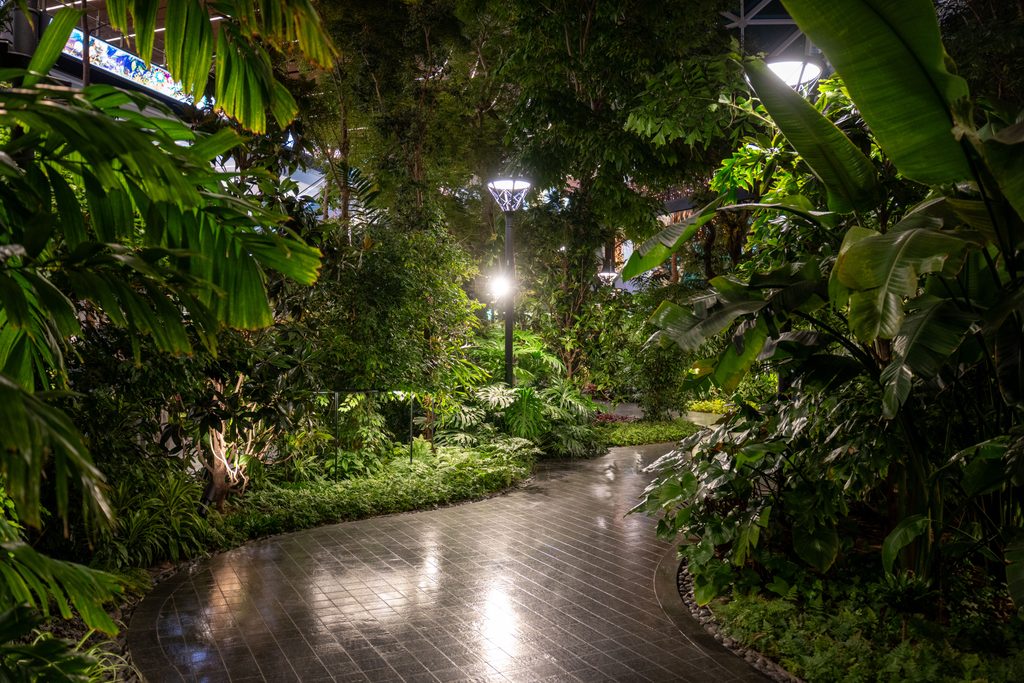
Path lights should illuminate the walking surface without becoming obstacles.
Avoid placing them where lawn equipment, vehicles, or normal foot traffic could damage them.
Aim Accent Fixtures From the Right Distance
The correct distance depends on the beam angle and feature size.
Test the fixture at night before permanently finalizing its position. Small changes in distance and angle can produce a noticeable difference.
Hide Wiring Safely
Landscape wiring should be installed using appropriate outdoor-rated materials and methods.
Connections should be protected from moisture and installed according to the applicable requirements.
For electrical work that involves new circuits, significant modifications, or unfamiliar wiring, use a qualified professional.
Position Transformers Properly
Low-voltage landscape systems commonly use a transformer to reduce the incoming electrical voltage.
The transformer should be installed in an appropriate location and according to the manufacturer’s instructions.
Maintenance
Even a well-planned system requires occasional attention.
Clean Fixtures
Dirt, leaves, irrigation residue, and other debris can reduce light output.
Clean accessible fixture surfaces periodically using a method recommended by the manufacturer.
Reposition Fixtures
Plants grow, and landscaping changes.
Check the aiming of spotlights and uplights after pruning, planting, or seasonal growth.
Inspect Connections
Look for loose connections, damaged cables, corrosion, or signs of moisture intrusion.
Do not ignore flickering or fixtures that repeatedly stop working.
Trim Vegetation
Overgrown plants can block light and create unwanted shadows.
Regular trimming can help preserve the original lighting effect.
Energy Considerations
Efficient landscape lighting begins with the fixtures but also depends on operating time.
Using LED fixtures can reduce electricity use compared with many older lighting technologies.
Controls can also help.
Timers, photocells, astronomical controls, and compatible smart systems can turn lighting on and off according to schedules or changing daylight conditions.
Do not leave decorative lighting operating throughout the entire night unless there is a specific reason.
A scheduled system can provide the desired nighttime appearance while limiting unnecessary operation.
Clarence Outdoor Lighting Ideas
A thoughtful landscape lighting design clarence homeowners can use should reflect the property’s architecture and landscaping rather than follow a single template.
Front Yard
Combine pathway lighting with selective tree and entry accents.
Keep the brightest visual point near the entrance while allowing surrounding landscaping to remain slightly softer.
Backyard
Use low-level lighting around patios, decks, steps, and seating areas.
Accent lighting can highlight trees or planting beds without turning the backyard into a brightly illuminated space.
Garden Areas
Use narrow or medium beam fixtures to highlight distinctive plants, ornamental trees, stone features, or garden structures.
Avoid illuminating every plant individually.
Driveways
Use carefully positioned fixtures to define edges and improve visibility.
Shielded or properly aimed fixtures can reduce glare for drivers and pedestrians.
Entertaining Areas
Patios and outdoor dining spaces benefit from comfortable illumination rather than excessive brightness.
Combine general area lighting with subtle accent fixtures around nearby landscaping.
A Balanced Approach to Landscape Lighting
The strongest landscape lighting design clarence plans usually combine function and visual balance.
Pathways need clear visibility. Trees and architectural features need carefully directed accent lighting. Outdoor seating areas need comfortable illumination, while decorative areas can remain softer.
Think about how people move through the property.
The lighting should guide the eye and support movement without making every part of the yard equally bright.
Read Also: Farmhouse Exterior Modern Lights
FAQs
What is landscape lighting design?
It is the planning and placement of outdoor fixtures to illuminate pathways, plants, architecture, entrances, and outdoor living areas.
How many landscape lights does a yard need?
There is no fixed number. The required amount depends on the property size, fixture output, beam angles, and features being illuminated.
Are LED fixtures good for landscape lighting?
Yes. LED fixtures are commonly used because they can provide efficient illumination and long operating life.
What color temperature is best for outdoor landscape lighting?
Warm white is commonly chosen for residential landscapes because it works well with plants, wood, stone, and other natural materials.
Should landscape lights point directly at trees?
Not always. The best position depends on tree size, shape, beam angle, and the desired lighting effect.
How can outdoor lighting reduce glare?
Use appropriate beam angles, shielding, aiming, and fixture placement so light reaches the intended surface without shining directly toward people or windows.
Do landscape lights need maintenance?
Yes. Fixtures may need cleaning, repositioning, vegetation trimming, and connection inspections over time.
Can landscape lighting be automated?
Yes. Compatible systems can use timers, photocells, astronomical controls, sensors, or smart controls.
Is low-voltage landscape lighting safer?
Low-voltage systems reduce the operating voltage used by the outdoor lighting circuit, but installation still needs to follow applicable electrical requirements and manufacturer instructions.
Should I hire a professional?
Professional help is recommended when the project involves new electrical circuits, complex wiring, significant modifications, or work requiring permits or inspections.
Conclusion
A successful landscape lighting design clarence project does not depend on installing the largest number of fixtures or using the brightest bulbs.
It starts with the property itself.
Study the architecture, trees, pathways, gardens, entrances, and outdoor living areas. Then select fixtures that serve a clear purpose and place them where the light creates useful visibility and visual depth.
Keep brightness under control, avoid glare, and leave some areas naturally darker. This creates contrast and prevents the landscape from appearing flat or overlit.
LED fixtures, adjustable optics, timers, and modern controls can also make outdoor lighting easier to manage over time.
Most importantly, plan for change. Trees grow, gardens evolve, and outdoor spaces are renovated. A flexible lighting arrangement can be adjusted as the property changes.
For electrical installation, always follow product instructions and applicable local requirements. When the project involves substantial electrical work, qualified professional assistance can help ensure the system is installed correctly.
With thoughtful planning, landscape lighting design clarence homeowners choose can provide attractive nighttime views, practical illumination, and a comfortable outdoor environment without unnecessary brightness.


Pingback: Architectural Lighting for Modern Garden Paths and Walls At Night - LED CCT