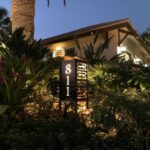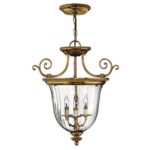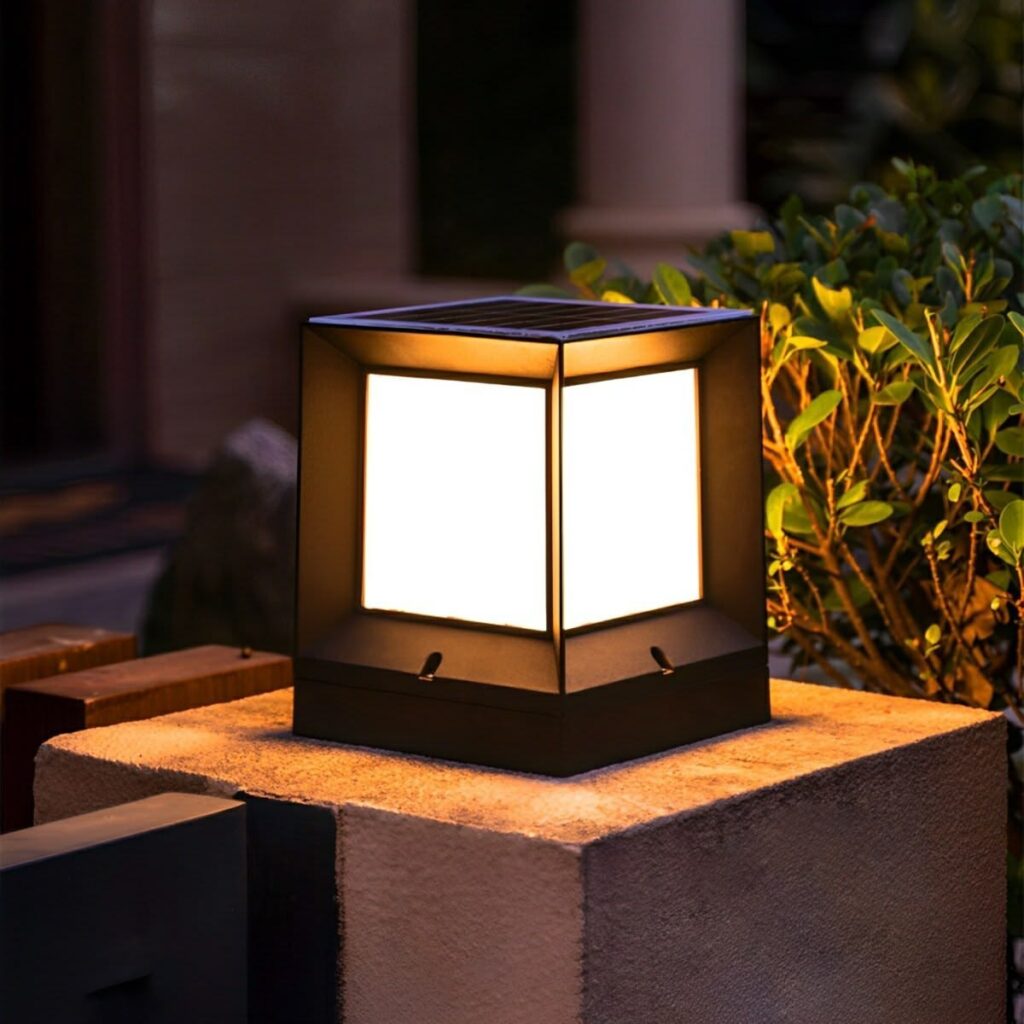

A porch light that burns out every few months isn’t bad luck. It’s usually the wrong bulb in the wrong fixture, run in conditions it was never built for. LED lights for outdoor fixtures solve that problem, but only if you match the bulb, wattage, and weather rating to where it’s actually going.
This guide covers the technical side across every common outdoor space: porches, backyards, patios, and commercial exteriors.
Why LED Lights for Outdoor Fixtures Outperform Older Bulbs
LED lights for outdoor fixtures last significantly longer than incandescent or halogen options, typically rated for 25,000 to 50,000 hours compared to roughly 1,000 hours for a standard incandescent bulb. That difference matters more outdoors than indoors, since replacing a bulb on a two-story porch fixture or a commercial pole light is far more of a hassle than swapping one in a table lamp.
Energy draw drops just as sharply. A 9-watt LED bulb produces roughly the same output as a 60-watt incandescent, which adds up fast across a property with a dozen or more fixtures running every night.
Cold weather is actually where LED performs better than older technology. Unlike CFL bulbs, which dim and start slowly in low temperatures, LED lights for outdoor fixtures reach full brightness instantly regardless of season.

Wet Rated or Damp Rated Get This Wrong and Fixtures Fail Fast
A wet-rated fixture is built for direct exposure to rain, snow, or spray, while a damp-rated fixture only handles occasional moisture in a partially protected space. Choosing the wrong rating is one of the most common reasons LED lights for outdoor fixtures fail within a year of installation.
Wet-rated fixtures use sealed gaskets and waterproof housings to keep moisture away from internal components entirely. Damp-rated fixtures work fine under a covered porch roof or in a screened patio, but they aren’t built to handle direct rain hitting the fixture itself.
Uncovered areas like open decks, exposed walls, and standard front porch lights facing open sky all need a wet rating, not just damp. Covered porches, enclosed patios, and areas fully protected from direct rainfall can typically use damp-rated fixtures instead, often at a lower cost.
Choosing the Right Front Porch Lights
Front porch lights sit closer to eye level than most outdoor fixtures, which means glare control matters as much as brightness. A frosted or diffused lens keeps the light comfortable to look at directly, while a clear glass lens throws a sharper, more direct beam that can feel harsh at close range.
Warm white LED bulbs, around 2700K to 3000K, suit most front porch lights better than cooler options, since warm light feels more welcoming at an entry point. Check the fixture’s wattage rating before installing a bulb, since older porch fixtures built for incandescent bulbs sometimes carry lower maximum wattage limits than modern LED options actually need.
Motion-activated front porch lights add a security benefit without running at full brightness all night, switching to dim ambient mode until movement triggers full output.
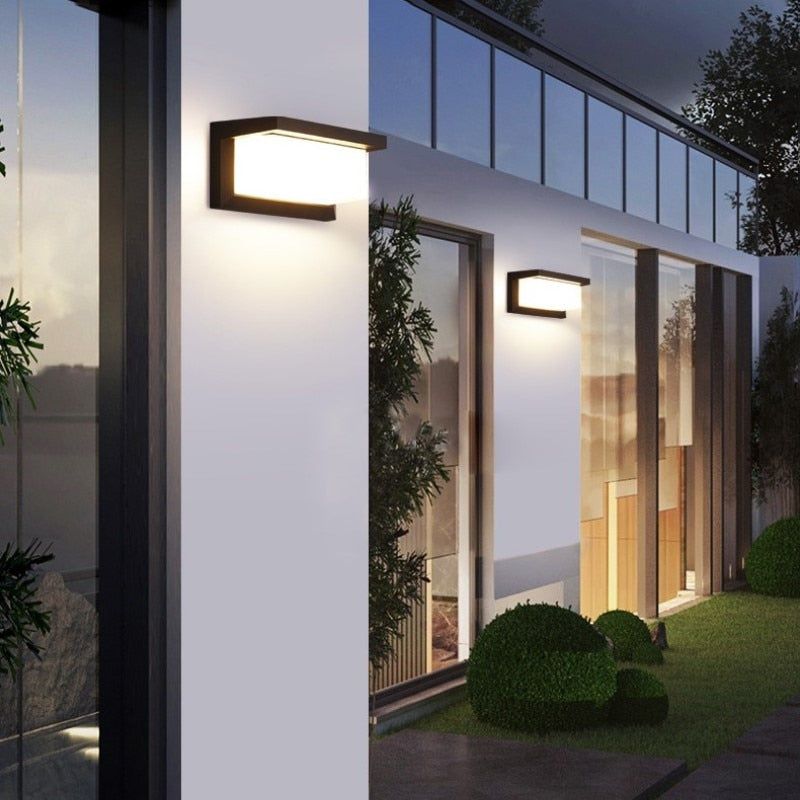
Lights for Backyard Spaces Coverage Over Style
Lights for backyard use typically cover more ground than front porch lighting, which shifts the priority toward coverage and even distribution rather than a single decorative fixture. String lights, post lights, and wall-mounted floods all serve different backyard purposes and rarely work as a single solution across an entire space.
For general backyard ambiance, warm white LED string lights rated for wet locations hold up through a full outdoor season without degrading. For safety and visibility near steps, grills, or seating areas, dedicated LED lights for outdoor fixtures mounted at a lower height provide more consistent illumination than string lights alone.
Motion sensor floodlights make sense for backyard perimeters and less trafficked corners, since running full brightness across an entire yard all night wastes energy without adding real security value.
Outdoor Patio Lighting Balancing Function and Mood
Outdoor patio lighting usually needs to support two different uses: a bright enough setting for cooking or dining, and a dimmer, more relaxed mode for evening use. Dimmable LED lights for outdoor fixtures solve this without needing separate fixtures for each mode.
Layer your outdoor patio lighting rather than relying on a single overhead fixture. A combination of an overhead or wall-mounted fixture for general light, plus lower accent lighting along steps or planters, creates a more usable space than one bright source alone.
Check the color rendering index, or CRI, if food presentation matters on your patio. A CRI of 90 or higher shows food and drink colors more accurately than a cheaper bulb with a CRI closer to 80.
The Basic Porch Light What Most Homes Actually Need
A standard porch light doesn’t need to be complicated. A wet-rated fixture, a warm white LED bulb under 10 watts, and a dusk-to-dawn sensor or smart switch covers the need for most single entry points without extra features.
Dusk-to-dawn sensors automatically switch a porch light on at sunset and off at sunrise, removing the need to manually manage the schedule. Smart bulbs offer more control through an app, including scheduling, dimming, and remote access, at a higher price point than a basic sensor bulb.
Outdoor Lighting for Business Codes and Compliance Matter
Outdoor lighting for business properties carries more regulatory weight than residential lighting, since most municipalities set specific foot-candle limits for commercial exteriors and parking areas. Many local codes cap commercial property line illumination around 2.5 foot-candles, with parking lots requiring a minimum average closer to 0.2 to 1 foot-candle for safety, depending on the jurisdiction.
Full cutoff fixtures, which direct all light downward with none escaping above the horizontal plane, are increasingly required for outdoor lighting for business installations to reduce light trespass onto neighboring properties. Check your local zoning code before installing new commercial fixtures, since maximum pole height and property line illumination limits vary significantly by city and county.
LED lights for outdoor fixtures used in commercial settings typically carry a wet location rating and higher lumen output than residential equivalents, often exceeding 10,000 lumens for parking lot and building perimeter applications.
Selection Criteria Matching Fixture to Space
Start with the moisture exposure level of your installation spot, since this determines whether you need wet or damp-rated LED lights for outdoor fixtures before anything else matters. From there, match color temperature to purpose: warm white for entries and social spaces, cooler white for security and task oriented areas like driveways or loading zones.
Check maximum wattage ratings printed on the fixture itself before installing any bulb, since exceeding this limit creates a fire risk regardless of how efficient the bulb itself runs. For business properties, confirm DLC listing in addition to UL or ETL certification, since many utility rebate programs require DLC qualified fixtures for commercial Waterproof LED Lighting upgrades.
How to Install LED Lights for Outdoor Fixtures Safely
Installation steps stay largely consistent whether you’re working on a porch fixture or a backyard wall light.
- Turn off power at the breaker before touching any wiring, and confirm it’s off using a non contact voltage tester at the fixture box.
- Remove the old fixture and inspect the junction box gasket for wear, replacing it if cracked or brittle.
- Connect matching wires with wire nuts rated for outdoor use, black to black, white to white, and ground to ground.
- Seal the fixture base against the mounting surface using the gasket or silicone sealant included with the fixture, preventing water intrusion behind the housing.
- Install the correct wattage LED bulb, restore power, and test the fixture before fully securing final screws.
For pole mounted or larger commercial fixtures, professional installation is typically required both for safety and for compliance with local electrical code.
Read Also: Lighthouse Post
FAQs
Outdoor Lighting Ratings Wet vs Damp?
Wet rated fixtures handle direct exposure to rain and snow, while damp rated fixtures only handle occasional moisture in partially protected spaces like a covered porch. Using a damp rated fixture in an exposed location leads to early failure.
What color temperature works best for front porch lights?
Warm white, around 2700K to 3000K, feels more welcoming at an entry point than cooler light. Cooler temperatures near 4000K suit security or task lighting better than a front entrance.
How Many Lumens for Backyard Lighting?
Space size and purpose can affect the choice. General ambiance works with lower output string lights, while safety lighting near steps or seating areas benefits from dedicated fixtures in the 300 to 800 lumen range per fixture.
Do commercial properties have specific outdoor lighting requirements?
Yes. Most municipalities set foot-candle limits at property lines and minimum lighting levels for parking areas, often requiring full cutoff fixtures to limit light trespass onto neighboring properties.
Can I use any LED bulb in an older outdoor fixture?
Check the maximum wattage rating on the fixture first. Older fixtures built for incandescent bulbs sometimes have lower wattage limits than modern LED options can safely handle, though most LED bulbs draw far less wattage regardless.
Is a dusk-to-dawn sensor worth adding to a porch light?
Yes, for most homes. It removes the need to manually manage the light’s schedule and typically costs little more than a standard bulb, while adding consistent operation year-round.
What certification should I look for in commercial outdoor fixtures?
UL or ETL listing at minimum, with DLC certification also required for many utility rebate programs. DLC qualified fixtures typically meet stricter efficiency standards than standard UL listed products.
The Bottom Line
LED lights for outdoor fixtures come down to matching three things correctly: moisture rating to exposure level, color temperature to purpose, and wattage to the fixture’s rated limit. Get those right, and the fixture itself becomes the easy part.
Installation takes under an hour for most residential fixtures, longer for commercial or pole mounted systems requiring licensed electrical work.