A box of old bulbs from a grandparent’s attic holds real history. It might also hold a fire risk if the wiring inside has gone brittle.
Vintage Christmas bulbs deserve both respect and caution. This guide covers what makes them collectible, how to tell types apart, and how to use them safely today.
What Counts as Vintage Christmas Bulbs?
Vintage Christmas bulbs generally means any string light bulb made before the 1970s, when cool burning modern lamps took over. This includes C6, C7, and C9 glass bulbs, figural shapes, and bubble lights from brands like NOMA and Paramount.
Christmas tree lights vintage buyers often trace back to a short window in American manufacturing. Between the 1920s and the 1960s, glass bulb styles shifted fast as materials and safety rules changed.
Knowing your bulb’s era helps with both value and safety. Older bulbs burn hotter and use older wiring standards than anything made today.

A Short History of Vintage Christmas Bulbs
The earliest string lights used blown glass bulbs with carbon filaments. These early bulbs burned very hot and carried real fire risk. By the late 1910s, makers switched to tungsten filaments, which ran cooler and safer.
Figural bulbs came next. Glass artisans in Germany, Austria, and Hungary shaped bulbs like Santas, snowmen, and fruit, often using the same molds as glass ornaments. World War I cut off those imports, and Japanese makers stepped in with milk glass instead.
Milk glass held up better under heat than clear glass did. It also came pre-colored white, which sped up painting. Vintage colored christmas lights from this era often show hand-painted detail, applied quickly and sometimes a little crudely.
NOMA formed in 1928 from a merger of smaller light set makers. The brand became a major name in vintage Christmas bulbs production through the mid-1900s, pushing safety standards forward through UL testing.
C6, C7, and C9 Telling the Sizes Apart
Bulb size is the easiest way to sort vintage Christmas bulbs by era and use.
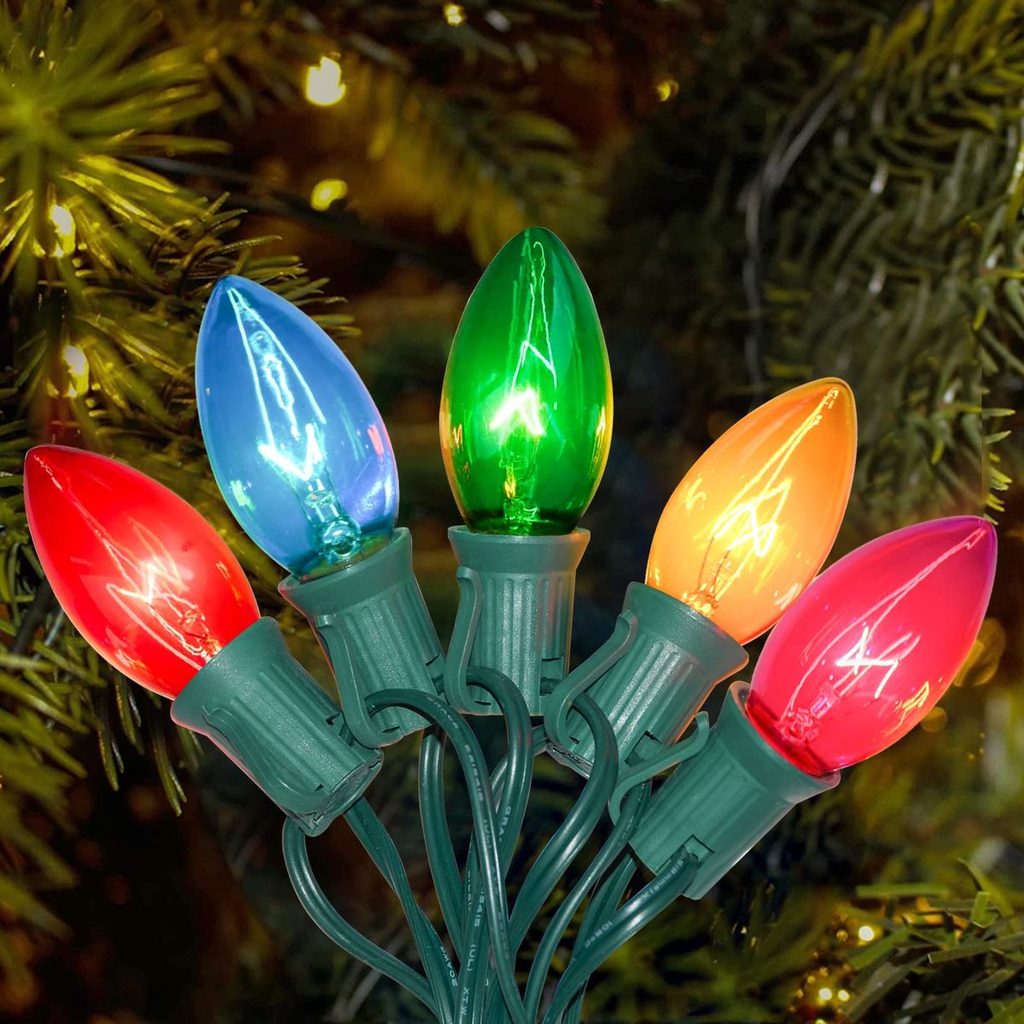
- C6 bulbs are the smallest, common in the 1950s and 1960s. They only fit sockets no longer made today.
- C7 bulbs came slightly larger, also popular through the 1950s and 60s, in a cone shape and a wide color range.
- C9 bulbs are the largest of the three, common in the 1940s and 50s, often used on bigger trees and rooflines.
Shiny Brite bulbs stand apart from the size categories. These carried a reflective silvered coating and were made from the 1930s through the 1960s, prized today for that distinct shine.
Series Wiring vs Parallel Wiring
Old C6 strands wired in series create one specific headache. One burned-out bulb can cause the whole strand to go dark. Every bulb in a series circuit depends on every other bulb staying lit.
Modern led c7 christmas lights use parallel wiring instead. One dead bulb doesn’t affect the rest of the string. That difference alone explains why so many vintage Christmas bulbs ended up stored in attics rather than thrown away. Once one bulb failed, the whole set stopped working, and replacing the exact right bulb wasn’t always easy.
You can test old C6 bulbs individually with a simple 9-volt battery, since the original sockets haven’t been made in decades.
Bubble Lights A Special Case
Bubble lights use a small tube of liquid that heats and bubbles once the bulb warms up. Paramount and NOMA both made popular versions, and collectors still display them today.
These bulbs run hot by design, since the heat is what makes them bubble. A table lamp dimmer, the kind used for regular lamps, can extend their life by running them at reduced voltage. Some collectors also wire a diode in series with an old bubble light string to cut average voltage and reduce burnout.
Is It Safe to Actually Use Vintage Christmas Bulbs?
Verify the wiring before plugging in the lights. If the insulation feels soft and flexible, with no cracking or exposed wire, the set is generally safe to use. If the wire feels stiff, brittle, or shows bare copper anywhere, retire that set to display only.
Vintage Christmas bulbs run hotter than modern LED bulbs. On an artificial tree, that heat can melt plastic needles close to the bulb. Real trees handle the heat better, though caution still matters near dry needles late in the season.
Old fashion Christmas lights sold as reproductions today solve this problem directly. Many use LED bulbs shaped to look like classic C7 or C9 glass, giving the vintage look without the vintage heat or fire risk.
Selection Criteria for Collecting Vintage Christmas Bulbs
Condition matters most for both safety and value. Check for intact paint, no cracks in the glass, and a working filament or bubble tube before buying.
Original boxes and tags add real value to vintage Christmas bulbs for serious collectors. A NOMA or Paramount set in its original packaging typically commands a higher price than loose bulbs alone.
Rare figural shapes, especially early European hand-painted glass, carry more value than common round or cone bulbs. Milk glass figural bulbs from the 1920s through 1950s remain some of the most sought-after pieces in this category.
Watch for reproduction bulbs sold as original. Genuine vintage colored christmas lights show wear consistent with their age, while reproductions often look too clean or use modern paint that doesn’t match the older palette.
How to Display Vintage Christmas Bulbs Safely
Follow these steps for a safe seasonal display.
- Inspect every bulb and the full length of wire before plugging anything in.
- Test individual C6 bulbs with a 9-volt battery if the strand won’t light.
- Use a dimmer for bubble lights to reduce heat and extend bulb life.
- Keep vintage strands away from live tree needles if the wiring shows any age related wear.
- Display fragile or non-working bulbs as ornaments instead of wiring them into a working strand.
- Never leave an older vintage strand plugged in unattended overnight.
Using Vintage Christmas Bulbs as Decor Without Wiring Them
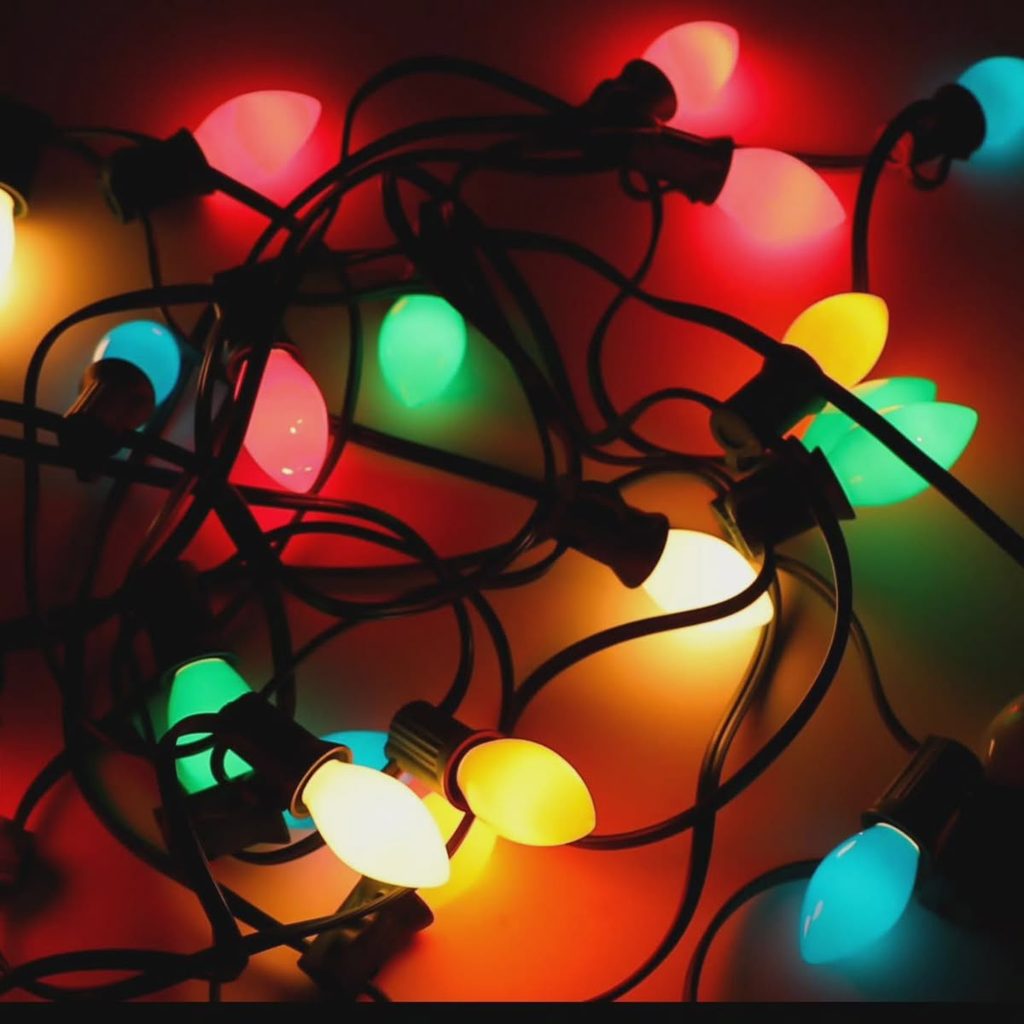
Many collectors skip the electrical risk entirely. Loose figural bulbs display well in glass bowls, on a small feather tree wired without power, or hung as ornaments with simple hooks.
This approach preserves fragile old glass and avoids any wiring concern altogether. It also lets you enjoy rare or non-working bulbs that would otherwise sit unused in storage.
Modern Alternatives That Capture the Vintage Look
If you want the look of vintage Christmas bulbs without the risk, led c7 christmas lights built in reproduction shapes are widely available now. These use cool running LED bulbs shaped like classic C7 or C9 glass, often in the same color range collectors love.
Old fashion Christmas lights in this style give you the warm, nostalgic glow of decades past, without brittle wiring or high heat near your tree. Many also use parallel wiring, so one failed bulb won’t darken the whole string.
The Bottom Line
Vintage Christmas bulbs carry real history, from hand-painted European glass to NOMA’s mid-century mass production. Check wiring condition before using any old set, and consider display-only options for fragile or non-working pieces.
Modern reproductions offer a safer way to get that same glow without the fire risk older glass and wiring can carry.
Read Also: Christmas Lights in Green
FAQs
How do I know if my vintage Christmas bulbs are safe to use?
Check the wire insulation. If it’s soft, flexible, and free of cracks or exposed copper, the set is generally safe. Retire any set with brittle or damaged wiring.
What’s the difference between C6, C7, and C9 bulbs?
Size and era. C6 is the smallest and dates to the 1950s and 60s. C7 is medium sized from the same period. C9 is largest, common in the 1940s and 50s.
Why does my whole string go dark when one bulb burns out?
Older C6 strands use series wiring, where every bulb depends on the rest. Modern parallel wired strings don’t have this problem.
Can I still buy old fashioned Christmas lights?
Yes. Many brands now sell LED reproductions shaped like classic C7 and C9 bulbs, giving the vintage look with modern safety.
How do bubble lights work?
A sealed tube of liquid heats up once the bulb warms, creating a bubbling effect. They run hotter than standard bulbs by design.
What makes a vintage bulb valuable to collectors?
Condition, original packaging, and rare figural shapes all add value. Early hand-painted European glass and milk glass figurals rank among the most sought-after types.
Is it safe to put old bulbs on an artificial tree?
Use caution. Vintage bulbs run hot enough to melt plastic needles on artificial trees. Real trees handle the heat better, though care still matters late in the season.