
Lighting affects how clearly you see colors, surfaces, and details. Choosing the right color temperature can make a kitchen feel cleaner, a garage more functional, or a workspace easier to use.
If you’re comparing LED bulbs, understanding the Kelvin scale helps you choose light that fits the room instead of choosing a bulb based only on brightness.
What Does 6500K Mean?
6500K colour refers to a very cool, daylight-style light with a Kelvin rating of 6500. It produces a bright white appearance with a noticeable cool or slightly blue tone, making it suitable for spaces where clear visibility and a daylight-like appearance are important.
The letter K stands for Kelvin.
Color temperature is measured in kelvins. It doesn’t measure brightness or electrical power.
Lower Kelvin values create warmer light, while higher values create cooler-looking light.

How Does 6500K Lighting Look?
A 6500K light generally appears bright and cool.
It can resemble the appearance of an overcast daytime sky or daylight-balanced lighting. The exact appearance can vary based on the LED design, diffuser, surroundings, and other light sources in the room.
White walls may look cooler under this lighting.
Warm-colored furniture can also appear less yellow than it would under a warm white bulb.
Kelvin Scale Explained
The Kelvin scale makes it easier to compare different LED color temperatures.
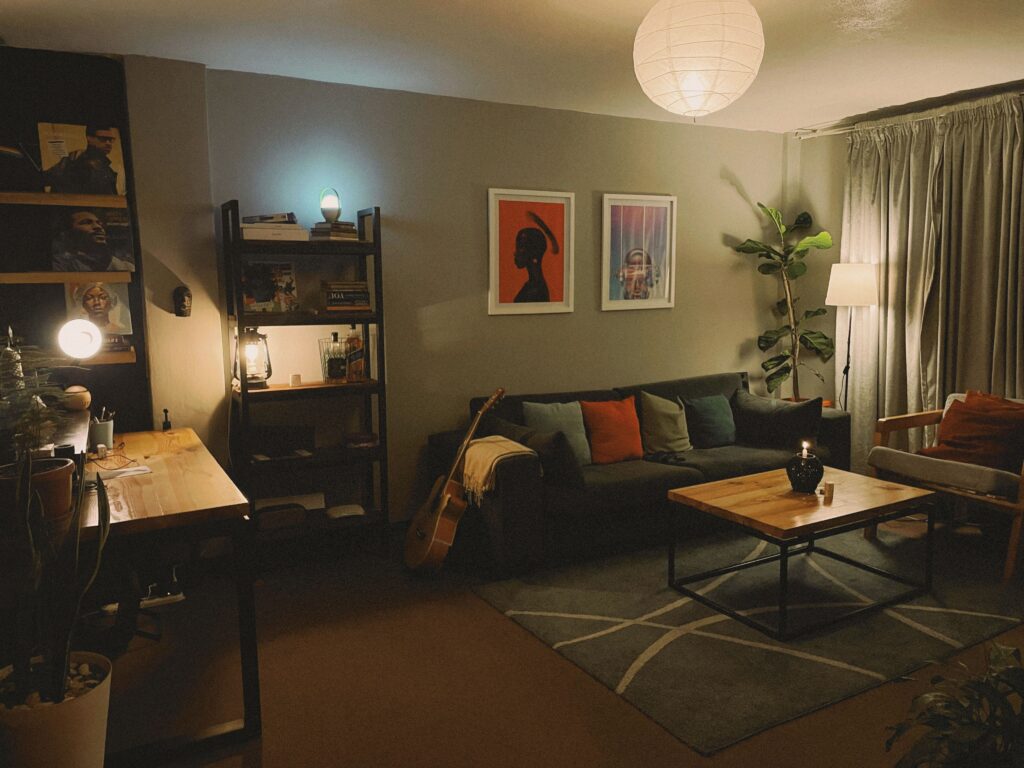
2700K to 3000K
This range produces warm white light.
It’s common in bedrooms, living rooms, dining rooms, and decorative fixtures.
3500K to 4100K
This range produces neutral white light.
It can work well in kitchens, bathrooms, offices, and general work areas.
5000K to 6500K
This range produces cool, daylight-style light.
It can suit garages, workshops, utility rooms, studios, and areas where bright visual clarity matters.
6500K vs 5000K
Both color temperatures create cool-looking white light, but they don’t look identical.
5000K generally appears slightly softer and more neutral.
6500K tends to look cooler and closer to a strong daylight appearance.
For a garage or workshop, either may work well. Your choice should depend on the room, existing daylight, surface colors, and personal preference.
6500K vs 3000K
The difference is much easier to see between these two temperatures.
3000K produces warm white light with a yellow or golden appearance.
6500K produces a much cooler white appearance.
Use 3000K when comfort and relaxation matter.
Consider 6500K when you want a crisp, daylight-style appearance.

Where Is 6500K Lighting Useful?
The right application depends on the fixture and room.
Garages
Garages often benefit from bright, cool lighting.
A 6500K LED fixture can make tools, storage areas, and work surfaces easier to see.
Workshops
Detailed tasks require clear visibility.
Cool daylight-style lighting can help create a bright work environment.
Utility Rooms
Laundry rooms, storage areas, and utility spaces can benefit from a clean white appearance.
Art and Craft Areas
People working with detailed materials may prefer cooler light.
However, color accuracy also depends on CRI, so Kelvin alone shouldn’t determine the fixture choice.
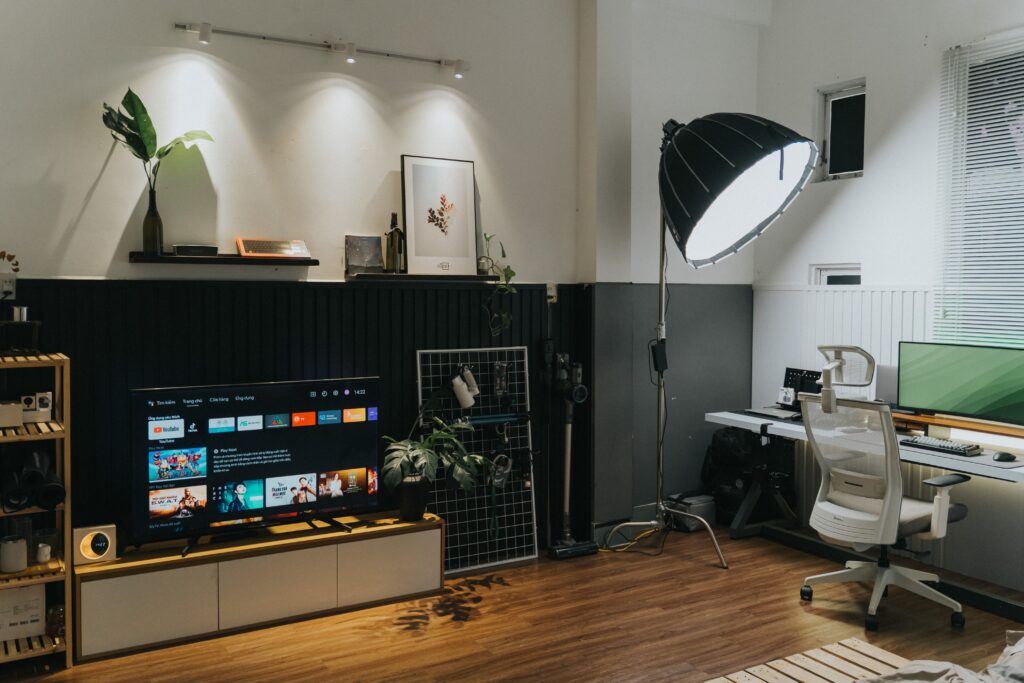
Photography and Video Spaces
Some studios use daylight-balanced lighting to create a consistent visual environment.
The exact color temperature should match the camera setup and other lighting sources.

Is 6500K Good for a Home?
It can be useful in specific areas.
A whole-home lighting plan doesn’t need the same color temperature everywhere.
Bedrooms and living rooms usually benefit from warmer light.
Garages, workshops, and utility areas can work better with cooler light.
Using different color temperatures by room can create a more suitable lighting plan.
Brightness and Color Temperature Are Different
Don’t confuse Kelvin with lumens.
Kelvin describes the appearance of the light.
Lumens measure light output.
Higher Kelvin ratings do not automatically mean greater brightness. Two bulbs can have the same Kelvin rating while producing very different amounts of light.
Always check both specifications before buying.
What About CRI?
CRI stands for Color Rendering Index.
It describes how accurately a light source shows colors compared with a reference source.
A high-CRI LED can show colors more naturally.
This matters in workshops, art spaces, kitchens, dressing areas, retail stores, and other locations where accurate color appearance is important.
A high Kelvin rating doesn’t automatically mean high CRI.
Choosing the Right Wattage
Wattage measures electrical power consumption.
It doesn’t directly tell you how much light a bulb produces.
When replacing an older incandescent bulb, compare lumens rather than simply matching the old wattage.
LED technology can provide similar light output with lower wattage.
Check the fixture’s maximum rated wattage before installing a bulb.
Buying Tips
Choosing the right LED fixture involves more than checking the Kelvin number.
Check the Kelvin Rating
Confirm that the product actually provides the color temperature you want.
Product descriptions may use terms such as daylight, cool white, or daylight white, but the listed Kelvin rating gives you a more specific reference.
Check Lumens
Compare lumen output when deciding how much light you need.
More lumens generally indicate greater brightness.
Check CRI
Choose a suitable CRI when accurate color appearance matters.
For kitchens, studios, retail areas, and craft spaces, a higher CRI can be useful.
Check the Bulb Base
Make sure the bulb base matches your fixture.
Common household bases include E26 and E12, while some specialty fixtures use different connections.
Check Dimming Support
Make sure the LED bulb and dimmer switch are compatible.
If you need adjustable brightness, confirm compatibility before purchase.
Check the Fixture Rating
For bathrooms, garages, covered patios, and other specific locations, check whether the fixture is rated for that environment.
Common Buying Mistakes
Choosing by Kelvin Alone
Color temperature doesn’t tell you brightness.
Always compare Kelvin with lumens, CRI, wattage, and the fixture’s intended use.
Using Very Cool Light Everywhere
Cool daylight-style lighting can work well in task areas.
It may feel too harsh in bedrooms and living rooms.
Ignoring Existing Lighting
Look at the other fixtures in the room.
Mixing warm and cool light sources can create an uneven appearance.
Buying Without Checking the Base
A bulb with the wrong base won’t fit your fixture.
Check the socket type before ordering.
Ignoring Color Accuracy
A high Kelvin rating doesn’t guarantee accurate color rendering.
Check the CRI when color appearance matters.
Installation Tips
Turn off the power before replacing a bulb or working on a fixed lighting connection.
Check the fixture’s maximum wattage and socket requirements.
For recessed or integrated LED fixtures, follow the manufacturer’s mounting instructions.
If electrical wiring needs to be changed, use a qualified electrician.
Don’t install fixtures in locations where they aren’t rated for the environmental conditions.
Maintenance
LED fixtures generally need little maintenance.
Clean dust from bulbs, diffusers, and fixtures with a soft microfiber cloth.
Turn off the power before cleaning.
Don’t use abrasive cleaners on the bulb or fixture finish.
Check for flickering, loose connections, damaged cables, or signs of overheating.
Replace damaged bulbs and components according to the manufacturer’s instructions.
6500K Colour for Different U.S. Rooms
Lighting preferences vary from one home to another, but room function provides a useful starting point.
Garage
Cool daylight-style lighting can provide strong visual clarity for storage, repairs, and hobbies.
Home Workshop
A cool white fixture can work well above workbenches.
Combine overhead lighting with task lighting where detailed work requires additional visibility.
Laundry Room
A cooler color temperature can create a clean appearance and make clothing colors easier to distinguish.
Kitchen
Cool lighting can work in task areas, but many homeowners prefer neutral or warm lighting for general kitchen use.
Consider separate lighting layers for counters, cabinets, and the main ceiling.
Home Office
Cooler lighting may suit focused work, but comfort matters.
Test the light before installing several fixtures.
Bedroom
A very cool color temperature usually isn’t the first choice for a bedroom.
Warm or neutral light often creates a more comfortable setting.
6500K Colour and Natural Daylight
Natural daylight changes throughout the day.
The color temperature of daylight isn’t fixed at exactly 6500K.
Weather, time of day, location, and atmospheric conditions all affect natural light.
The 6500K rating should therefore be viewed as a lighting specification, not an exact copy of outdoor daylight at every moment.
Read Also: UV Lights for weed Grow Light Indoor
FAQs
What does 6500K mean?
A very cool, daylight-style color temperature.
Is 6500K warm or cool?
Cool.
Is 6500K good for garages?
Yes. It can provide a bright, clear appearance.
Is 6500K good for bedrooms?
Usually, warmer light is more comfortable for bedrooms.
Is 6500K brighter than 3000K?
Not necessarily. Brightness depends on lumens.
Does 6500K use more electricity?
No. Energy use depends mainly on wattage and lighting technology.
Is 6500K good for a workshop?
Yes. It can suit detailed work areas.
Does 6500K show colors accurately?
Color accuracy depends mainly on CRI and the light source, not Kelvin alone.
Is 6500K the same as daylight?
It’s a daylight-style color temperature, but natural daylight varies throughout the day.
Conclusion
6500K colour provides a cool, crisp lighting appearance that can work well in garages, workshops, utility rooms, studios, and other task-focused spaces. It can create strong visual clarity without requiring high wattage.
For the best result, don’t choose lighting based on Kelvin alone. Compare lumens, CRI, bulb base, dimming compatibility, wattage, fixture rating, and room function.
A balanced U.S. home lighting plan can use warmer temperatures in relaxing spaces and cooler temperatures where visibility and detailed work matter.