
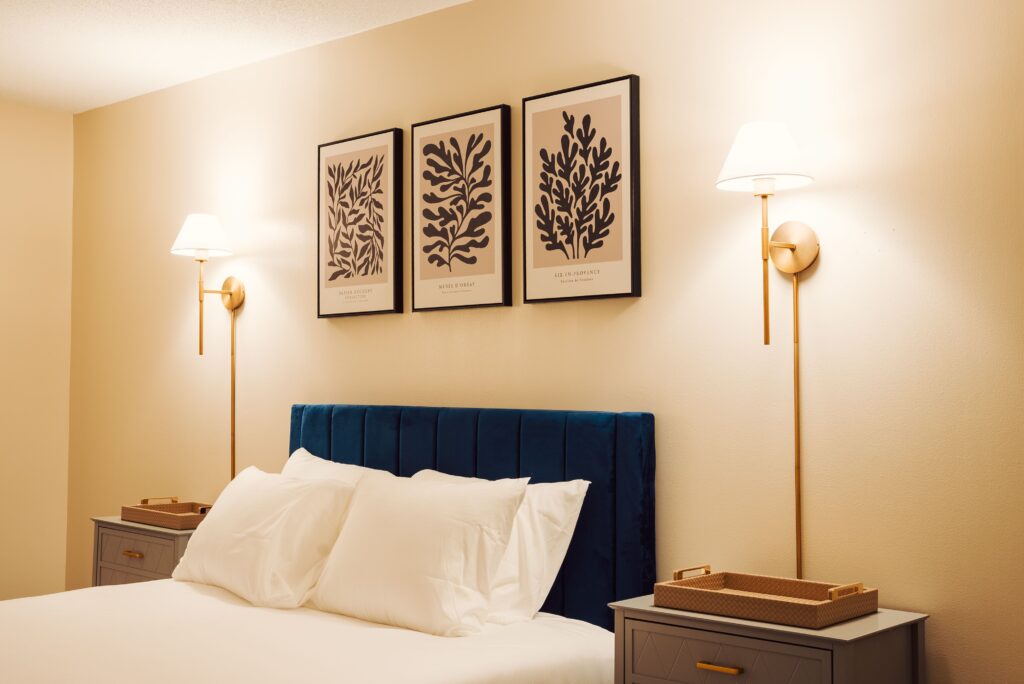

Wall lighting can change the character of a room without taking up valuable floor or table space. The right fixture can provide useful illumination, define an architectural feature, and support a clean interior style.
A minimalist wall lamp is especially useful when you want functional lighting with a simple visual presence. Its compact form works well in modern apartments, renovated homes, offices, bedrooms, hallways, and other spaces where clutter needs to stay under control.
What Is a Minimalist Wall Lamp?
A minimalist wall lamp is a wall-mounted lighting fixture designed around simple forms, restrained details, and practical illumination. These fixtures commonly use clean lines, compact profiles, neutral finishes, and uncomplicated shades to provide light without overwhelming the surrounding décor.
Minimalist lighting does not mean the fixture has to look plain.
A carefully selected wall fixture can add character through proportion, material, light direction, and finish while maintaining a clean appearance.

Why Wall Lighting Works in Minimalist Interiors
Wall-mounted lighting offers an advantage that ceiling and floor fixtures cannot always provide.
It uses vertical wall space while keeping floors, tables, and countertops open. This can be particularly useful in smaller U.S. apartments, condos, bedrooms, and narrow hallways.
Wall lighting can also create layers.
Instead of depending on one ceiling fixture, you can combine ambient, task, and accent lighting to create a more balanced room.
Common Minimalist Wall Lamp Styles
Slim Linear Fixtures
Linear designs work well beside beds, mirrors, desks, and corridors.
Their narrow profile can provide useful illumination while maintaining a visually light appearance.
Cylindrical Fixtures
Cylinder-shaped fixtures provide a simple geometric form.
They can direct light upward, downward, or in both directions depending on the design.
Dome and Cone Shades
Simple curved or angled shades can add subtle visual interest without introducing excessive decoration.
These styles can work particularly well in contemporary bedrooms, kitchens, and living spaces.
Adjustable Fixtures
Adjustable wall lights are useful when illumination needs to be directed toward a particular area.
They can support reading, artwork, work surfaces, or other focused applications.
Choosing the Right Size
Size should match the wall, furniture, and room proportions.
A fixture that is too large can dominate a small wall. One that is too small may disappear beside large furniture or architectural features.
Before purchasing, measure:
- Wall width
- Available mounting area
- Fixture height
- Fixture projection
- Distance from nearby furniture
- Switch location
- Electrical box position
For bedside lighting, also consider the height of the mattress, headboard, and reading position.
Choosing the Right Light Direction
Light direction affects both function and appearance.
Upward Lighting
Upward illumination can wash the wall and create softer ambient light.
It can work well in living rooms, hallways, and bedrooms.
Downward Lighting
Downward light can provide useful illumination for floors, steps, counters, or reading areas.
Up-and-Down Lighting
Some fixtures direct light in both directions.
This can create an architectural effect on the wall while providing useful general illumination.
Adjustable Lighting
An adjustable fixture gives you greater control over where light falls.
This can be useful for reading corners, artwork, desks, and other task areas.
Best Finishes for Modern Homes
The finish should coordinate with the room rather than compete with it.
Black
Black fixtures create clear contrast against white or light-colored walls.
They work particularly well with contemporary furniture, wood accents, and metal details.
White
White fixtures blend naturally into light-colored walls.
They can create a subtle appearance when you want the lighting to remain visually understated.
Brushed Nickel
Brushed nickel provides a softer metallic appearance.
It can work with stainless steel appliances, neutral cabinetry, and modern bathroom hardware.
Brass
Brass introduces warmth without requiring ornate detailing.
A simple brass fixture can complement wood, cream, beige, and other warm interior finishes.
Color Temperature Matters
The fixture’s design is only part of the lighting decision.
Color temperature affects how the room feels.
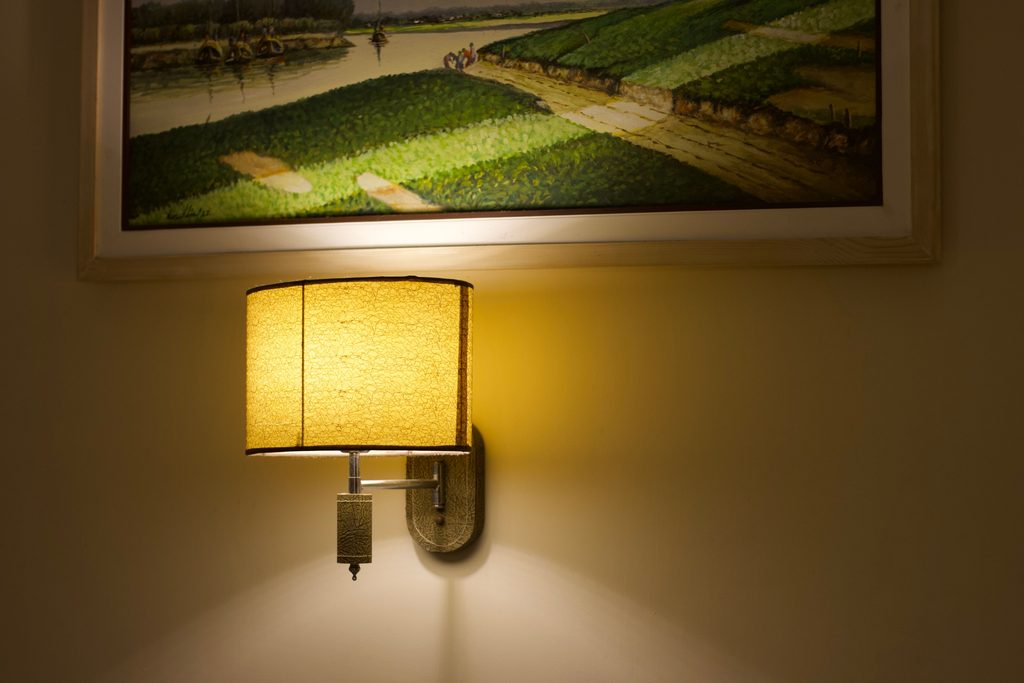
Warm white around 2700K to 3000K generally creates a softer, more comfortable appearance.Bedrooms, living rooms, dining areas, and other relaxing spaces are suitable locations for it.
Neutral or cooler white around 3500K to 4000K can provide a cleaner appearance for kitchens, bathrooms, offices, and task-focused areas.
Choose the color temperature according to the room’s purpose rather than selecting a bulb based only on appearance in a product photograph.
LED Options
LED technology is widely used in contemporary wall fixtures because it can provide efficient illumination in compact designs.
Some fixtures use replaceable LED bulbs, while others contain integrated LED modules.
Replaceable Bulbs
Replaceable bulbs make future changes easier.
You can select different lumen outputs, color temperatures, and sometimes different CRI levels according to your needs.
Integrated LEDs
Integrated fixtures contain the LED source within the fixture.
They can provide a streamlined appearance and allow manufacturers to create thin profiles.
Before buying an integrated fixture, check the expected operating life, warranty, replacement policy, and product specifications.
Where to Use Minimalist Wall Lighting
A minimalist wall lamp can serve different purposes throughout a home.
Bedroom
Use wall fixtures beside the bed to free nightstand space.
Adjustable designs can provide focused reading light.
Living Room
Wall fixtures can supplement ceiling lighting and create accent illumination around seating areas or architectural features.
Hallway
Slim fixtures can illuminate corridors without occupying floor space.
Bathroom
Wall-mounted lighting around a vanity can improve facial illumination when positioned correctly.
Choose fixtures rated for the bathroom location and follow applicable installation requirements.
Home Office
A directional wall fixture can provide additional task lighting without taking up desk space.
Buying Tips
Choosing wall lighting requires more than finding a fixture with an attractive shape.
Check the fixture’s dimensions, light output, mounting requirements, electrical specifications, and intended location before making a purchase.
Measure Before Ordering
Measure the wall and nearby furniture first.
Check both the height and projection of the fixture. A deep fixture may interfere with a narrow walkway, while an oversized design can look out of proportion above a small nightstand.
Check Light Output
Lumens indicate the amount of light produced.
Do not use wattage alone to judge brightness. LED fixtures can produce substantial illumination while using relatively little electricity.
Consider Dimming
If you want more control over the atmosphere, check whether the fixture is dimmable.
The fixture, light source, and dimmer must be compatible. Integrated LED fixtures may require a compatible LED dimmer specified by the manufacturer.
Check the Mounting Method
Some wall fixtures attach directly to an electrical junction box.
Others may use a specific mounting bracket or require additional installation hardware.
Check the installation instructions before purchasing.
Common Buying Mistakes
Choosing Appearance Over Function
A beautiful fixture may not provide enough illumination for the intended purpose.
Think about whether the light is needed for reading, general illumination, accent lighting, or decoration.
Ignoring Fixture Projection
Projection refers to how far the fixture extends from the wall.
This measurement is particularly important in hallways, bathrooms, beside beds, and other areas with limited space.
Mixing Incompatible Color Temperatures
Using warm and cool light sources next to one another can create an uneven appearance.
For connected areas, keep the color temperature reasonably consistent unless the different tones are intentional.
Forgetting the Electrical Requirements
Check voltage, wattage, wiring requirements, and fixture ratings.
For permanent electrical work, follow local requirements and use a qualified electrician when needed.
Installation and Placement
Placement affects both the appearance and usefulness of wall lighting.
Bedroom Placement
Bedside fixtures should be positioned so the light is convenient for reading without shining directly into the eyes.
Consider the mattress height, headboard, nightstand, and sitting position before selecting the mounting height.
Living Room Placement
Wall fixtures can be positioned near seating areas, artwork, fireplaces, or architectural details.
Use them as part of a layered lighting plan instead of relying on them as the only source of illumination.
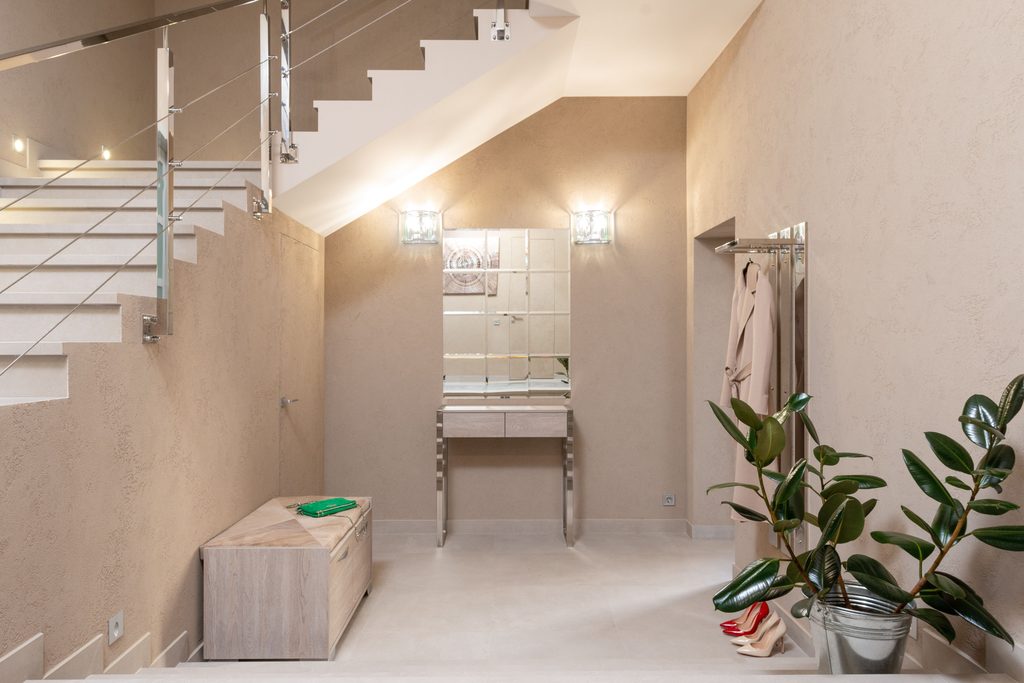
Hallway Placement
Install fixtures at consistent heights when multiple units are used.
Spacing should account for the fixture’s light distribution and the length of the hallway.
Bathroom Placement
Vanity lighting should provide even illumination around the face.
Avoid positioning a single overhead source where it creates strong shadows.
Use a fixture rated for its intended bathroom location and follow the manufacturer’s instructions.
Home Office Placement
Position directional lighting so it does not create distracting reflections on a computer screen.
A wall-mounted fixture can free desk space while providing additional task illumination.
Cleaning and Maintenance
Regular cleaning helps keep wall fixtures looking good and allows light to pass through shades and diffusers properly.
Dust the Fixture
Turn the fixture off before cleaning.
Use a soft, dry cloth to remove dust from the shade, housing, and accessible surfaces.
Clean Glass Shades Carefully
If the fixture has removable glass, follow the manufacturer’s instructions before taking it apart.
Avoid harsh cleaning products that could damage finishes.
Check for Damage
Inspect the fixture occasionally for:
- Loose hardware
- Cracked shades
- Damaged cables
- Flickering
- Discoloration
- Excessive heat
- Loose connections
Electrical problems should be evaluated by a qualified professional.
Interior Design Ideas
Pair With Natural Materials
Simple wall fixtures work well with wood, stone, linen, leather, and other natural materials.
A black metal fixture can provide contrast against light oak or neutral walls.
Use Matching Pairs
Two matching fixtures can create symmetry beside a bed, mirror, fireplace, or large artwork.
Symmetrical placement can make a room feel organized without adding unnecessary decoration.
Create an Accent Wall
Wall lighting can draw attention to textured walls, artwork, shelving, or architectural details.
Choose a fixture with an appropriate beam pattern so the light supports the feature rather than creating excessive glare.
Combine Different Light Layers
A well-designed room can combine:
- Ceiling lighting for general illumination
- Wall lighting for secondary illumination
- Task lighting for specific activities
- Accent lighting for artwork or architectural details
This approach gives you greater flexibility throughout the day.
U.S. Room Recommendations
Small Apartments
Compact wall fixtures can help preserve floor and table space.
Slim designs are particularly useful in bedrooms, hallways, and small living areas.
Modern Suburban Homes
Contemporary wall lighting can complement open-plan living spaces, home offices, kitchens, and updated bathrooms.
Choose finishes that coordinate with existing cabinet hardware, faucets, door handles, and other metal details.
Older Homes and Renovations
Wall lighting can provide additional illumination without requiring large floor fixtures.
During renovation work, have electrical boxes and wiring assessed before installing new fixtures.
Coastal and Warm-Climate Interiors
Simple fixtures in white, brass, bronze, or natural finishes can complement coastal and relaxed interior styles.
Use the fixture’s shape and finish to support the room’s existing materials.
Choosing Light for Different Activities
The best fixture depends on what you expect it to do.
Reading, choose a directional fixture that places light on the page.
General lighting, select a fixture with broader distribution.
Artwork, consider beam direction and glare.
Bedrooms, warmer color temperatures can create a comfortable evening atmosphere.
Workspaces, neutral white light can provide a crisp appearance.
A fixture should solve the lighting need first and support the interior style second.
Read Also: Cylinda Table Lamp Stylish
FAQs
What is a minimalist wall lamp?
It is a wall-mounted fixture with a simple design, restrained details, and a focus on practical illumination.
Where should wall lamps be used?
Common locations include bedrooms, living rooms, hallways, bathrooms, stairways, and home offices.
Are wall lamps good for small rooms?
Yes. They can provide useful lighting while leaving tables, floors, and other surfaces open.
What color temperature is best for bedrooms?
Warm white around 2700K to 3000K is commonly suitable for comfortable bedroom lighting.
Can wall lamps replace ceiling lights?
Some can provide substantial illumination, but the answer depends on the fixture’s lumen output, room size, and light distribution.
Are LED wall lamps energy efficient?
LED technology generally uses less electricity than comparable incandescent lighting and can provide a long operating life.
Can wall lamps be dimmed?
Some can. Check the fixture and bulb specifications for dimming compatibility.
How high should a wall lamp be installed?
There is no single height for every application. Consider the fixture design, room use, furniture, eye level, and the manufacturer’s installation instructions.
Are wall lamps suitable for bathrooms?
Yes, when the fixture is rated for the specific bathroom location and installed according to applicable requirements.
How do I clean a wall lamp?
Turn it off and use a soft cloth to remove dust. Follow the manufacturer’s instructions for glass shades and specialized finishes.
Conclusion
A minimalist wall lamp can provide practical illumination while keeping the visual character of a room clean and organized.
The best fixture depends on more than appearance. Size, projection, light direction, lumen output, color temperature, CRI, dimming compatibility, and installation requirements all deserve attention before purchase.
For U.S. homes, wall lighting can work particularly well in bedrooms, hallways, living rooms, bathrooms, home offices, and smaller apartments where surface space is limited.
Before installation, check the manufacturer’s specifications and local electrical requirements. For new wiring or permanent electrical modifications, use a qualified electrician.
With the right size, placement, finish, and light output, wall-mounted lighting can support both the function and design of a modern home without adding unnecessary visual clutter.


