

Lighting affects how a room looks, feels, and functions. The right LED color temperature can make a kitchen feel cleaner, a bedroom more comfortable, or a workspace easier to use.
For U.S. homeowners, choosing between different white-light options can be confusing because product names vary between brands. Understanding Kelvin ratings, brightness, room purpose, and interior finishes makes the decision much easier.
Understanding White Light
Bright white vs warm white refers mainly to the color appearance produced by an LED light. Warm white has a softer yellow or golden tone, while bright white usually has a cleaner, whiter appearance. The best choice depends on the room, lighting purpose, interior design, and preferred atmosphere.
Color temperature is measured in Kelvin, written as K.
Lower Kelvin values create warmer-looking light. Higher Kelvin values produce cooler-looking light.
Common residential ranges include:
| Color Temperature | Appearance | Common Applications |
| 2200K–2700K | Soft and golden | Bedrooms, decorative lighting |
| 2700K–3000K | Warm white | Living rooms, dining rooms |
| 3000K–3500K | Warm-neutral | Kitchens, hallways |
| 3500K–4500K | Bright or cool white | Offices, bathrooms |
| 4500K–6500K | Daylight-style | Garages, workshops, outdoor areas |
These ranges can vary between manufacturers, so always check the Kelvin rating on the product.

Bright White vs Warm White in Simple Terms
The easiest way to understand the difference is to look at the color produced by each option.
Warm white has a yellow or amber appearance. It gives off a familiar incandescent-style glow.
Bright white has less yellow and usually looks cleaner and more neutral. Depending on the Kelvin rating, it can appear crisp without having the stronger blue appearance associated with higher daylight temperatures.
Neither option is automatically better.
The right selection depends on the purpose of the space.
What Is Warm White Lighting?
Warm white lighting is commonly associated with approximately 2700K to 3000K.
It creates a comfortable appearance and works well in rooms where people relax or spend time with family and guests.
Popular applications include:
- Bedrooms
- Living rooms
- Dining rooms
- Family rooms
- Entryways
- Restaurants
- Hotels
- Decorative fixtures
Warm light can also complement natural wood, beige walls, cream-colored furniture, and traditional interior styles.
What Is Bright White Lighting?
Bright white lighting generally has a higher Kelvin rating than traditional warm white.
It creates a cleaner appearance and can work well in rooms where visibility and task performance are important.
Common applications include:
- Kitchens
- Bathrooms
- Home offices
- Laundry rooms
- Garages
- Workshops
- Retail spaces
- Commercial offices
The exact appearance depends on the Kelvin rating and the surrounding surfaces.
A 3500K LED can look noticeably different from a 4500K LED even though both may be described as bright or cool white.
Brightness and Color Temperature Are Different
One common lighting mistake is confusing color temperature with brightness.
Kelvin describes the color appearance of light.
Lumens measure how much visible light a source emits.
A 3000K LED can produce more lumens than a 4000K LED.
This means a warmer light can be brighter than a cooler light if the products have different lumen ratings.
When comparing LED products, look at both Kelvin and lumens.
Choosing Lighting for the Kitchen
Kitchens often need a balance between comfortable ambient lighting and clear task illumination.
Bright white lighting can work well over countertops, islands, sinks, and food preparation areas.
Its clean appearance can also complement white cabinets, stainless steel appliances, gray surfaces, and modern finishes.
Warm white can work well over breakfast areas, dining spaces, or decorative fixtures.
A layered lighting plan can combine both temperatures without making the entire kitchen look inconsistent.
Choosing Lighting for the Bedroom
Bedrooms usually benefit from softer lighting.
Warm white around 2700K to 3000K can create a comfortable atmosphere for relaxing in the evening.
Bright white lighting can still be useful in a bedroom dressing area or workspace where clear visibility is needed.
Instead of using one temperature throughout the entire room, consider separate ambient and task lighting.
Choosing Lighting for the Living Room
Living rooms are commonly used for relaxing, watching television, reading, and entertaining.
Warm white often complements these activities because its softer appearance works well with furniture and decorative materials.
However, modern living rooms with white walls, gray finishes, and minimalist furniture can also work with a brighter white temperature.
The best result depends on the overall design.
Interior Colors Matter
Wall and furniture colors can change how LED lighting appears.
Warm lighting can bring out yellow, brown, beige, and red tones.
Brighter white lighting can make white, gray, blue, and silver finishes appear cleaner.
This is especially important when choosing lighting for newly renovated rooms.
If possible, test one bulb before purchasing a large quantity.
CRI and White Light
Color Rendering Index, or CRI, measures how accurately a light source reveals colors compared with a reference source.
CRI is separate from Kelvin.
A warm LED can have a high CRI, and a bright white LED can also have a high CRI.
Higher CRI lighting can be useful in kitchens, dressing areas, art spaces, retail environments, and rooms where accurate color appearance matters.
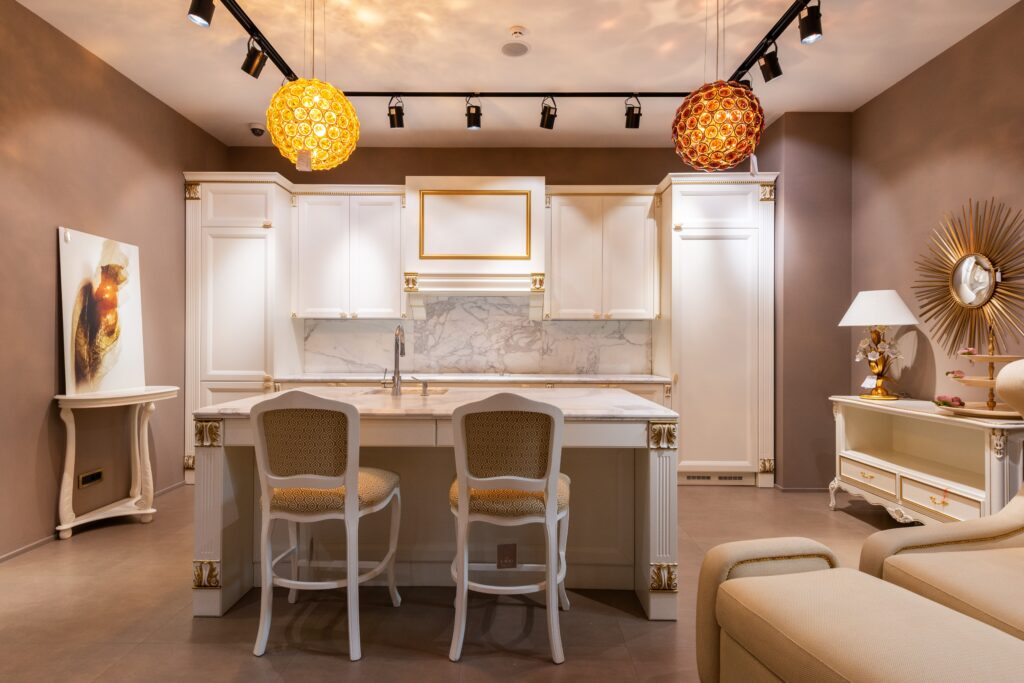
U.S. Home Lighting Recommendations
There is no need to use the same color temperature throughout an entire home.
A practical approach is to choose lighting according to room function.
Warm white can suit bedrooms, living rooms, and dining areas.
Bright white can work well in kitchens, bathrooms, offices, garages, and workshops.
Hallways, entryways, and multipurpose rooms may work well with a middle-range temperature.
Buying Tips
Choosing the right LED light requires more than deciding between warm and bright white.
Check the Kelvin Rating
Don’t rely only on product names.
Terms such as warm white, bright white, cool white, and daylight can vary between manufacturers.
Check the actual Kelvin rating before buying.
Compare Lumens
Lumens indicate light output.
If you need stronger illumination, compare lumen ratings rather than choosing a bulb simply because it looks cooler.
Room size, ceiling height, fixture design, and wall colors also affect perceived brightness.
Check CRI
Consider CRI when accurate color appearance matters.
Kitchens, dressing areas, artwork spaces, craft rooms, and retail areas can benefit from good color rendering.
Check Dimming Compatibility
Not every LED bulb works with every dimmer.
If the fixture has a dimmer, confirm that the bulb is compatible before purchasing.
Check the Fixture
Confirm the correct bulb base, shape, wattage, voltage, and fixture rating.
Some enclosed or damp locations require specially rated LED products.
Common Mistakes
Assuming Brighter Means Better
More light isn’t always better.
Excessive brightness can create glare and make a room uncomfortable.
Choose output according to the task and space.
Choosing by Color Name Alone
A product labeled bright white may look different from another brand using the same description.
Kelvin provides a more reliable comparison.
Using One Temperature Everywhere
Bedrooms, kitchens, offices, and garages have different lighting needs.
Using one temperature throughout the home can make some rooms less comfortable or less functional.
Mixing Temperatures Randomly
Different temperatures can look inconsistent when several fixtures illuminate the same area.
Keep nearby fixtures similar unless you intentionally want separate lighting zones.
Ignoring Existing Lighting
New bulbs should work with the lighting already installed.
Check surrounding fixtures before replacing individual lamps.
Installation and Placement
Standard bulb replacement is generally simple when the bulb and fixture are compatible.
Turn the fixture off before replacing a bulb.
Allow a hot bulb to cool before handling it.
Never exceed the fixture’s listed requirements.
For recessed fixtures, enclosed fixtures, damp locations, or hardwired lighting modifications, follow the manufacturer’s instructions and consult a qualified electrician when necessary.
Use Layers
Good room lighting often combines:
- Ambient lighting
- Task lighting
- Accent lighting
Ambient fixtures provide general illumination.
Task lights provide focused light for activities such as cooking, reading, grooming, or working.
Accent lights draw attention to artwork, shelving, architectural details, or decorative objects.
Avoid Glare
Placement matters as much as color temperature.
Don’t position bright fixtures where the light shines directly into the eyes.
For desks, kitchen counters, mirrors, and television areas, consider the viewing angle and reflective surfaces.
A diffuser or suitable shade can help distribute light more comfortably.
Maintenance
LED lighting generally requires little maintenance.
Dust can reduce the amount of light produced by a fixture or diffuser.
Turn off the fixture before cleaning.
Use a soft cloth and follow the manufacturer’s cleaning instructions.
Avoid abrasive products that can damage the finish.
Inspect the bulb and fixture if you notice:
- Flickering
- Unusual heat
- Buzzing
- Discoloration
- Cracked housings
- Loose connections
- Intermittent operation
Repeated electrical problems should be investigated instead of ignored.
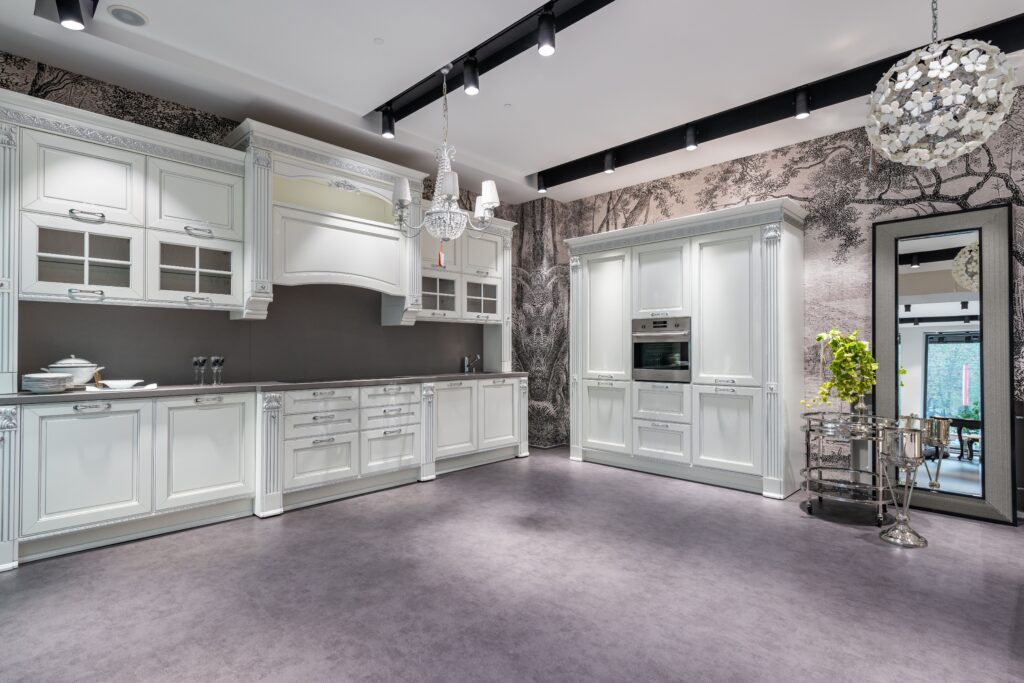
Room-by-Room U.S. Recommendations
Living Room
Warm white around 2700K to 3000K often works well for relaxing and entertaining.
Use separate task lighting for reading or hobbies.
Bedroom
Warm white is generally suitable for evening use.
A brighter temperature can be reserved for a vanity, closet, or dedicated workspace.
Kitchen
Bright white around 3500K to 4500K can provide a clean appearance for task areas.
Warm lighting can be used in dining or decorative zones.
Bathroom
Bright or neutral white can provide useful visibility around mirrors and vanities.
Always use products rated for the bathroom’s specific environment.
Home Office
A neutral or brighter white can work well for daytime tasks.
Control glare from screens and reflective surfaces.
Garage
A brighter white can provide useful visibility for storage, repairs, and household projects.
Choose adequate lumen output for the size of the garage.
Workshop
Use overhead lighting together with focused task fixtures.
A cooler temperature can suit detailed work, but brightness and glare still need to be controlled.
Dining Room
Warm white often complements wood furniture and creates a comfortable atmosphere.
Pendant lights and chandeliers can work particularly well with warmer LEDs.
Outdoor Areas
Warm lighting can create a welcoming appearance around patios and porches.
Brighter white can suit driveways, work areas, and security-focused applications when the fixture is designed for outdoor use.
Energy Efficiency
Color temperature doesn’t determine energy consumption.
Wattage and operating time are more important factors.
A 3000K LED and a 4000K LED can consume similar amounts of electricity when their wattage is the same.
When comparing efficiency, consider lumens per watt along with the expected operating schedule.
Timers, occupancy sensors, dimmers, and smart controls can also reduce unnecessary lighting use.
Bright White vs Warm White for Modern Interiors
Modern homes often use both options.
Warm white can soften minimalist rooms with concrete, glass, metal, and neutral finishes.
Bright white can emphasize clean lines and white surfaces.
The choice should support the room rather than follow a strict design rule.
If a space has several lighting zones, using different temperatures can create distinct areas for work, relaxation, and entertainment.
Read Also: Lighting Italian Style for Modern Homes
FAQs
What is the difference between bright white and warm white?
Warm white has a yellow or golden appearance, while bright white generally looks cleaner and whiter.
Is 3000K warm white?
Yes. 3000K is commonly considered warm white.
Is 4000K bright white?
Often. Many manufacturers describe 4000K as bright, neutral, or cool white.
Which is better for a bedroom?
Warm white is generally more comfortable for relaxing.
Which is better for a kitchen?
Bright or neutral white can work well for task lighting.
Which is better for a living room?
Warm white is a common choice.
Does bright white mean brighter?
No. Lumens determine light output.
Does warm white use less electricity?
Not necessarily. Wattage and operating time determine energy use.
Can warm and bright white be used together?
Yes. Use them in separate lighting zones with a clear purpose.
What Kelvin is best for a home?
Around 2700K to 3000K often suits relaxing areas, while 3500K to 4500K can suit task-oriented rooms.
Conclusion
Understanding bright white vs warm white makes it easier to choose LED lighting for different rooms and activities.
Warm white can create a softer and more comfortable atmosphere in bedrooms, living rooms, and dining areas. Bright white can provide a clean appearance for kitchens, bathrooms, offices, garages, and workshops.
However, color temperature isn’t the only factor.
Compare Kelvin, lumens, CRI, bulb compatibility, dimming support, fixture requirements, and room function before buying.
For U.S. homes, a room-by-room approach usually provides better results than using one lighting temperature throughout the entire property.