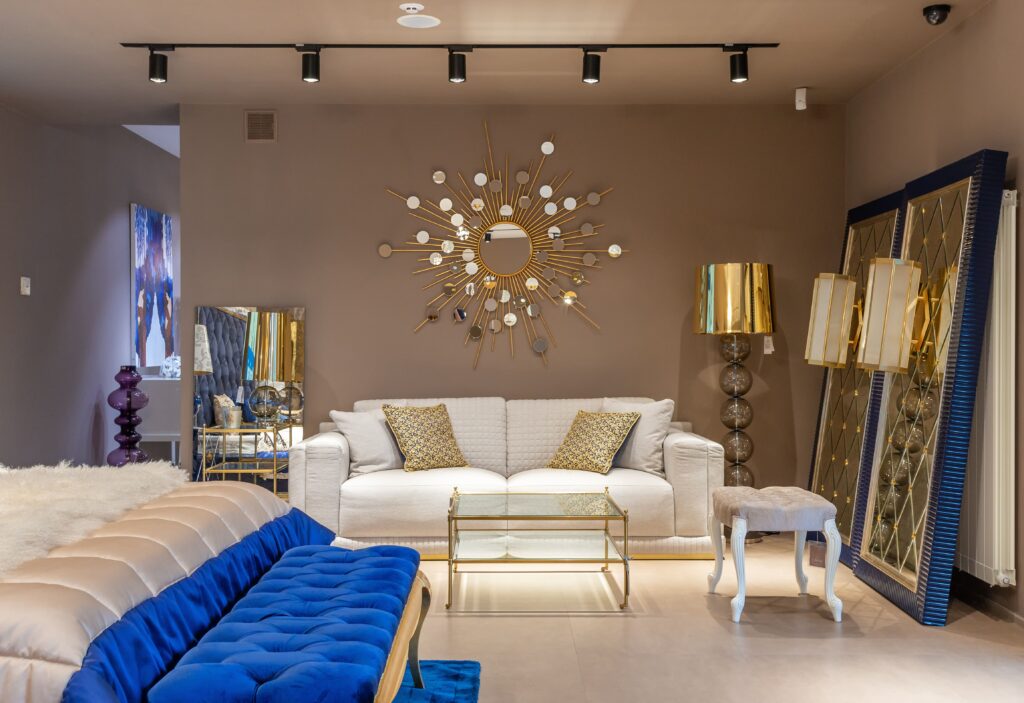

Lighting can make or break a room.
A well-chosen fixture adds character, improves functionality, and helps create a cohesive design. That’s one reason italian lighting brands remain a popular choice among homeowners, interior designers, and architects.
Italian lighting has a long-standing reputation for craftsmanship, premium materials, and distinctive styling. From sleek pendant lights to handcrafted chandeliers, these fixtures are found in homes, hotels, restaurants, and commercial spaces worldwide.
If you’re considering new lighting for your home, understanding what sets Italian brands apart is a good place to start.

Why Are Italian Lighting Brands So Popular?
Italian lighting brands are known for combining quality materials, skilled craftsmanship, and timeless design. Many Italian lighting manufacturers produce fixtures that serve both practical and decorative purposes. This balance has helped Italian lighting maintain a strong presence in residential and commercial interiors around the world.
Italy has a rich design heritage.
Many lighting companies focus on details that influence both appearance and performance. Materials such as glass, brass, aluminum, and steel are often selected for durability as well as visual appeal.
Unlike many mass-produced fixtures, Italian lighting is frequently designed with long-term use in mind.
The result is lighting that reflects careful design and attention to detail.
What Makes Italian Lighting Different?
Italian lighting design often places equal importance on aesthetics and functionality.
A fixture should provide the right amount of light while contributing to the overall look of a room.
Common features include:
- Clean lines
- High-quality materials
- Handcrafted details
- Contemporary and classic styles
- Durable construction
- Energy-efficient lighting options
Many italian lighting manufacturers work closely with designers to create fixtures that complement modern lifestyles without sacrificing visual appeal.
This approach has helped Italian lighting remain relevant across changing design trends.
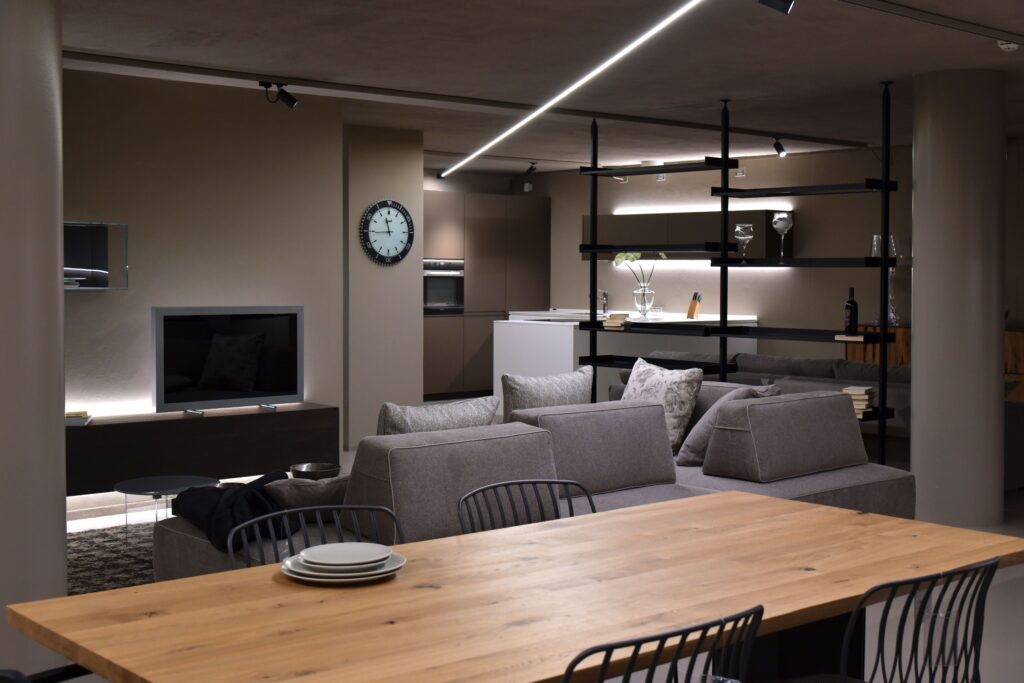
Leading Italian Lighting Brands
Several companies have helped establish Italy as a global leader in lighting design.
Artemide
Artemide is one of the most recognized names in the industry.
The company produces architectural lighting, table lamps, pendant lights, and wall fixtures known for their clean appearance and functional design.
Flos
Flos has built a strong reputation through collaborations with respected designers.
Its collections often feature distinctive shapes that work well in contemporary interiors.
Foscarini
Foscarini focuses on creative forms and material experimentation.
Many of its fixtures function as decorative focal points while providing effective illumination.
Luceplan
Luceplan is known for practical lighting solutions with a modern aesthetic.
Its products are commonly used in homes, offices, and hospitality spaces.
Venini
Venini specializes in decorative lighting made with Murano glass.
The company continues a long tradition of Italian glass craftsmanship while producing fixtures suited to modern interiors.
How Italian Lighting Works in Different Rooms
Italian lighting brands offer fixtures for nearly every room in a home.
Choosing the right fixture depends on the function of the space and the atmosphere you want to create.
Living Room
Large pendant lights, floor lamps, and chandeliers often work well in living areas.
These fixtures provide general illumination while serving as visual focal points.
Dining Room
A chandelier above the dining table helps define the space.
Many Italian designs combine elegance with practical lighting performance.
Bedroom
Bedrooms typically benefit from softer lighting.
Wall sconces and bedside lamps can provide comfortable illumination for reading and relaxation.
Home Office
Task lighting is important in workspaces.
Many Italian desk lamps combine focused lighting with clean, professional styling.
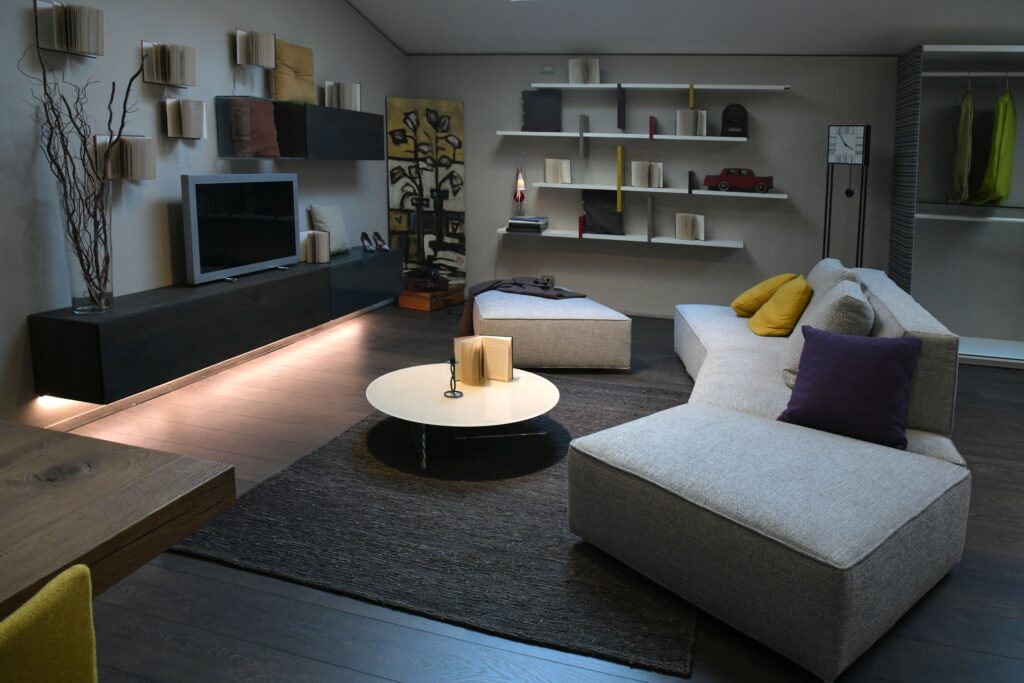
How Do You Choose the Right Italian Lighting Fixture?
The right Italian lighting fixture depends on room dimensions, ceiling height, lighting requirements, and interior style. A fixture should provide sufficient illumination while complementing furniture, finishes, and architectural features. Considering these factors helps create a balanced and functional environment.
Start by measuring your space.
A fixture that appears proportionate in a showroom may feel oversized or undersized once installed.
Next, consider the fixture’s purpose.
Ambient lighting, task lighting, and accent lighting each serve different functions.
Before making a purchase, review:
- Room size
- Ceiling height
- Light output
- Material quality
- Maintenance needs
- Energy efficiency
These factors can help narrow your options and prevent costly mistakes.
Additional Resources
To learn more about lighting standards and design guidance, readers may find these resources useful:
- American Lighting Association (ALA)
- International Interior Design Association (IIDA)
You can also explore related topics such as:
- Home lighting ideas
- Modern pendant lighting
- Living room lighting guides
- Interior design trends
- Chandelier buying guides
Data Opportunity
This article would benefit from supporting data.
Consider adding:
- Decorative lighting market statistics
- Home improvement spending trends
- Consumer preferences for LED lighting
- Energy savings comparisons between LED and traditional bulbs
A chart comparing energy consumption across different lighting technologies can provide additional value for readers.
Read This Also: Residential Lighting Design
Conclusion
Italian lighting brands continue to attract homeowners and designers because of their craftsmanship, quality materials, and thoughtful design.
From contemporary pendant lights to decorative Murano glass chandeliers, these fixtures offer solutions for a wide range of interiors.
Many italian lighting manufacturers have spent decades refining their products and maintaining high production standards. That commitment to quality remains one of the key reasons Italian lighting is respected around the world.
By considering your space, lighting needs, and design goals, you’ll be better prepared to select a fixture that complements your home and provides lasting value.