
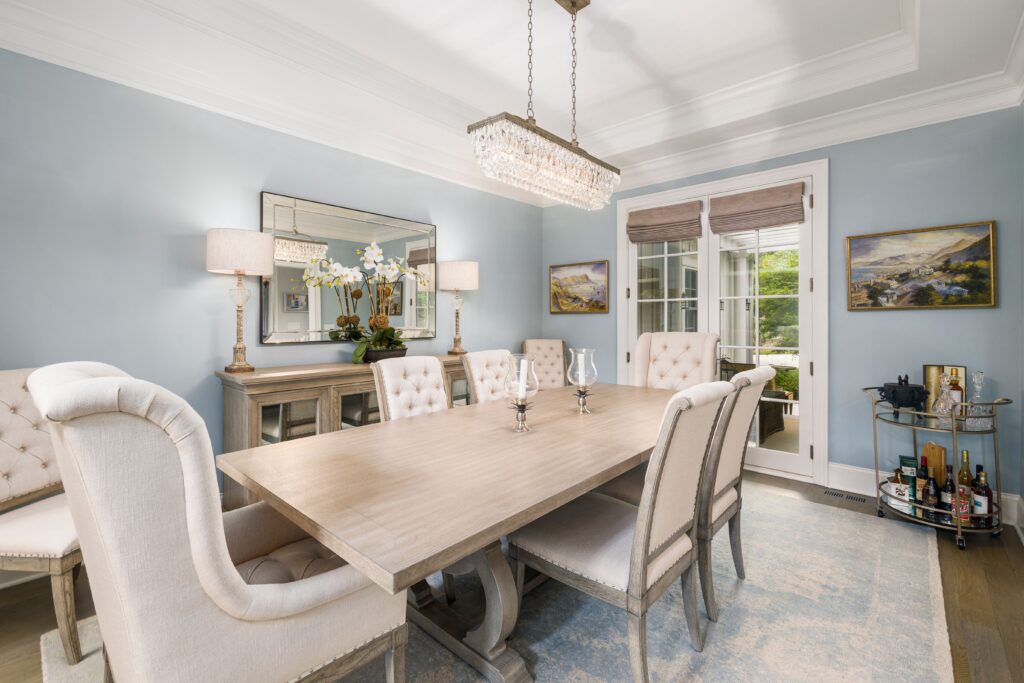

Natural materials can give a room a distinct character without requiring major changes to the furniture or architecture. Shell lighting is one option that combines decorative texture with practical illumination, making it suitable for coastal, transitional, tropical, and relaxed contemporary interiors.
For U.S. homeowners, choosing the right shell chandelier involves more than selecting an attractive design. Size, shell material, light output, ceiling height, electrical specifications, and cleaning requirements all affect how the fixture performs after installation.
What Is an Oyster Shell Chandelier?
An oyster shell chandelier is a decorative ceiling fixture that uses oyster shells or shell-inspired materials around a metal frame and light sources. The shells create a layered, textured appearance that filters and reflects light. These fixtures are commonly used in dining rooms, living rooms, bedrooms, entryways, and coastal-inspired interiors.
The construction can vary considerably.
Some fixtures use natural oyster shells, while others use shell pieces, shell-like materials, or manufactured decorative elements. Always check the product description if the material is important to your purchase.

Why Choose Shell Lighting?
Natural shell has an irregular surface that gives each piece a slightly different appearance.
When illuminated, the shell can create subtle highlights and shadows across the fixture.
This makes shell lighting different from a standard metal or glass chandelier.
Common design benefits include:
- Natural texture
- Coastal character
- Soft decorative detail
- Layered visual depth
- Compatibility with neutral interiors
- A distinctive focal point
The fixture can become part of the room’s design even when the light is switched off.
Best Interior Styles
Shell chandeliers are often associated with coastal interiors, but they can work with several U.S. home design styles.
Coastal Interiors
Pair shell lighting with white walls, natural wood, linen fabrics, woven furniture, and blue or sandy tones.
The natural material supports the relaxed character of coastal design without requiring excessive nautical decoration.
Transitional Interiors
A shell fixture can soften a room that combines traditional and contemporary furniture.
Use neutral colors and simple accessories to keep the fixture balanced.
Tropical Interiors
Natural textures can complement rattan, wood, greenery, woven materials, and warm neutral colors.
A shell fixture can provide another layer of organic texture.
Modern Interiors
Natural shell can create contrast against clean lines, concrete, metal, and minimalist furniture.
Choose a simpler frame and restrained shape if the room already contains several decorative elements.
Choosing the Right Size
Consider the room size when selecting a chandelier.
An undersized fixture may get lost in a large space.
An oversized fixture can overwhelm a compact space.
Measure the room before purchasing.
Dining room, consider the table width and length along with the ceiling height.
Living room, compare the fixture’s diameter with the furniture arrangement.
For a bedroom, make sure the fixture leaves adequate clearance from doors, wardrobes, ceiling fans, and other equipment.
Ceiling Height and Fixture Drop
The vertical size of a chandelier matters as much as its diameter.
High ceilings provide more flexibility for larger fixtures.
Standard-height ceilings may require a shorter design.
Measure the distance from the ceiling to the planned bottom of the fixture.
For dining rooms, make sure the chandelier doesn’t interfere with normal conversation or sightlines across the table.
For foyers, also consider the view from stairs and upper-level areas.
Choosing the Shell Finish
Natural oyster shells can vary in color, texture, thickness, and surface pattern.
Some have soft white or cream tones.
Others can show gray, tan, brown, or darker natural markings.
The shell finish should complement the room rather than compete with it.
White and cream shells can work well with light coastal interiors.
Darker shells can provide contrast against pale walls.
If the fixture uses painted or treated shells, check the manufacturer’s care instructions before cleaning.
Frame and Hardware Finishes
The metal frame can change the overall character of the fixture.
Popular finishes include:
- Brass
- Gold
- Bronze
- Black
- Nickel
- Natural metal
Warm metallic finishes can complement wood furniture and warm neutral colors.
Black frames can create stronger contrast in contemporary rooms.
Choose a finish that works with nearby hardware, including cabinet handles, door hardware, faucets, and other lighting fixtures.
The finishes don’t need to match exactly, but they should look intentional together.
Light Quality and Bulb Selection
The bulb affects how the shells appear when illuminated.
Warm white LEDs around 2700K to 3000K can create a soft, comfortable glow that works well in bedrooms, living rooms, and dining spaces.
Neutral white around 3500K to 4000K can provide a cleaner appearance for areas where more task-oriented lighting is useful.
Check the fixture’s socket type, maximum wattage, voltage, and LED compatibility before purchasing bulbs.
Lumens vs Color Temperature
Kelvin and lumens measure different things.
Kelvin measures the color temperature of light.
Lumens describe light output.
A warm LED can produce high lumen output, while a cooler LED can produce lower output.
Therefore, don’t choose a bulb based only on its color temperature.
Consider the room size, fixture design, number of bulbs, and amount of additional lighting available.
Dining Room Applications
A chandelier can create a strong focal point above a dining table.
Center the fixture over the table rather than simply positioning it according to the room’s ceiling box.
A dimmable LED setup can provide flexibility for everyday meals, entertaining, and evening gatherings.
The shell material can also create subtle shadows across the ceiling and surrounding surfaces.
Living Room Applications
A shell chandelier can add natural texture to a living room.
Use it with floor lamps, table lamps, or wall sconces when additional task or accent lighting is needed.
A layered lighting plan can prevent the ceiling fixture from carrying the entire lighting load.
Bedroom Applications
A smaller shell fixture can work as a decorative centerpiece in a bedroom.
Warm lighting can complement bedding, wood furniture, woven accessories, and neutral wall colors.
Keep the fixture proportionate to the room and make sure it doesn’t interfere with ceiling fans or other equipment.
Entryway Applications
An entryway creates the first impression of a home.
A shell chandelier can introduce natural texture as soon as guests enter the space.
In a tall foyer, a larger fixture can fill vertical space.
In a standard-height entryway, choose a design with a shorter drop.
Buying Tips
Choosing the right shell chandelier requires attention to materials, dimensions, electrical specifications, and the room’s overall design.
Check the Shell Material
Read the product description carefully.
Confirm whether the fixture uses natural oyster shells, shell pieces, composite materials, or decorative shell replicas.
Natural materials can vary in color, texture, and shape.
If authenticity matters, look for clear material information from the manufacturer or seller.
Measure Before Ordering
Measure:
- Room width
- Room length
- Ceiling height
- Table dimensions
- Fixture diameter
- Fixture height
- Total hanging drop
These measurements help prevent proportion problems after installation.
Check Bulb Requirements
Confirm the socket type, maximum wattage, voltage, bulb shape, and LED compatibility.
If you want adjustable brightness, verify that the fixture and bulbs support dimming.
Consider Light Output
A decorative fixture should still provide enough useful light.
Check the total lumen output rather than judging brightness by the number of bulbs alone.
Shells, shades, and other decorative elements can affect how much light reaches the room.

Common Buying Mistakes
Choosing by Appearance Alone
A fixture may look attractive online but still be unsuitable for the room.
Check dimensions, weight, mounting requirements, bulb specifications, and maintenance instructions before purchasing.
Buying the Wrong Size
A large chandelier can overpower a small dining room.
A small fixture may look insignificant in a large living room.
Always compare the fixture with the room and furniture dimensions.
Ignoring Ceiling Height
A long fixture drop can create problems in rooms with standard-height ceilings.
Measure the available vertical space before ordering.
Assuming All Shells Look the Same
Natural oyster shells can have different colors and surface patterns.
Expect some variation when using natural materials.
Ignoring the Frame Finish
The frame is visible between the shells.
Choose a finish that works with nearby furniture, hardware, and lighting.
Installation and Placement
Turn off power at the electrical panel before working on a hardwired fixture.
Do not depend only on the wall switch.
Heavy chandeliers may require appropriate ceiling support.
For new wiring, junction-box changes, grounding work, or complex installations, use a qualified electrician.
Dining Room Placement
Center the fixture over the dining table.
The bottom of the chandelier should provide comfortable clearance for people seated at the table.
A dimmer can provide control over brightness for meals and entertaining.
Living Room Placement
Position the fixture according to the furniture arrangement.
Don’t place it where it interferes with ceiling fans, tall furniture, or normal movement.
Use floor lamps or table lamps when additional task lighting is required.
Bedroom Placement
Center a smaller fixture where practical.
Keep adequate clearance from beds, wardrobes, doors, and ceiling fans.
Entryway Placement
Consider the height of the ceiling and the view from surrounding areas.
In a two-story foyer, check the fixture from both the ground and upper levels.
Electrical Safety
Electrical work should follow applicable U.S. requirements and local codes.
Check the fixture’s voltage and electrical specifications before installation.
Imported fixtures may use electrical configurations that differ from standard U.S. installations.
A qualified electrician can verify the junction box, wiring, grounding, mounting support, and compatibility.

Cleaning and Maintenance
Natural shell requires gentle care.
Dust can collect between individual shell pieces and around the frame.
Basic Cleaning
- Turn off the power.
- Allow the fixture and bulbs to cool.
- Remove loose dust with a soft microfiber cloth.
- Clean individual shell pieces gently.
- Follow the manufacturer’s care instructions.
- Make sure components are dry before restoring power.
Don’t spray water or cleaning products directly onto the fixture.
Moisture can reach sockets and electrical components.
Avoid abrasive cleaners that could damage the shell surface or finish.
Regular Inspection
Check for:
- Loose shell pieces
- Cracked shells
- Damaged wiring
- Loose hardware
- Flickering bulbs
- Unusual buzzing
- Discoloration
- Excessive heat
Electrical problems should be inspected by a qualified professional.
Interior Design Ideas
Coastal Dining Room
Combine a shell chandelier with a light wood table, linen chairs, white walls, and subtle blue accents.
Keep other decorative elements simple so the natural texture remains the focal point.
Modern Coastal Living Room
Pair natural shell with neutral furniture, clean lines, and minimal accessories.
A dark metal frame can provide contrast against white or cream walls.
Bedroom Retreat
Use warm LED bulbs with natural wood furniture, woven baskets, linen bedding, and soft neutral colors.
The shell texture can add interest without requiring bold wall decoration.
Transitional Interior
Combine the fixture with classic furniture and contemporary finishes.
Choose a simple shell design if the room already has patterned fabrics or decorative accessories.
Beach-Inspired Entryway
Use the chandelier with natural wood, woven storage, neutral flooring, and simple coastal artwork.
Avoid excessive nautical decorations to keep the design refined.
Tropical-Inspired Room
Natural shells work well with rattan, bamboo, wood, greenery, and warm neutral finishes.
Use layered lighting to balance decorative and functional illumination.
Layered Lighting
A chandelier should not always provide all the light a room needs.
Combine:
- Ambient lighting
- Task lighting
- Accent lighting
The chandelier can provide general illumination.
Table and floor lamps can support reading and other activities.
Wall sconces or directional fixtures can highlight artwork and architectural details.
This approach gives greater control over brightness and atmosphere.
Read Also: Sofia Chandelier
FAQs
What is an oyster shell chandelier?
A decorative ceiling fixture made with oyster shells or shell-inspired materials surrounding a lighting frame.
Are oyster shell chandeliers made from real shells?
Some are made with natural oyster shells, while others use manufactured or shell-inspired materials. Check the product specifications.
Where can a shell chandelier be used?
Common locations include dining rooms, living rooms, bedrooms, foyers, and coastal-inspired spaces.
Are shell chandeliers suitable for modern homes?
Yes. Natural shell can create contrast with clean lines and contemporary furniture.
What bulb color works best?
Warm white around 2700K to 3000K often works well for living rooms, bedrooms, and dining areas.
Can LED bulbs be used?
Yes, when the bulb meets the fixture’s socket, wattage, voltage, and compatibility requirements.
Can a shell chandelier be dimmed?
Many models can, but the fixture, LED bulbs, and dimmer must be compatible.
How should shell lighting be cleaned?
Use a soft cloth and follow the manufacturer’s cleaning instructions. Avoid abrasive products and direct spraying.
Are natural shells uniform in color?
No. Natural shells can vary in color, texture, shape, and markings.
Can a heavy shell chandelier be installed by a homeowner?
Professional installation is recommended when the fixture is heavy, hardwired, or requires additional ceiling support.
Conclusion
A shell chandelier can combine natural texture with practical illumination, making it a distinctive option for U.S. homes.
The best fixture depends on room size, ceiling height, shell material, frame finish, bulb specifications, light output, and interior style.
Before purchasing, measure the space and verify the product’s electrical requirements. Check the shell material carefully if natural materials are important to you.
For installation, use appropriate ceiling support and qualified electrical assistance when required.
With suitable proportions, warm lighting, thoughtful placement, and regular.


