
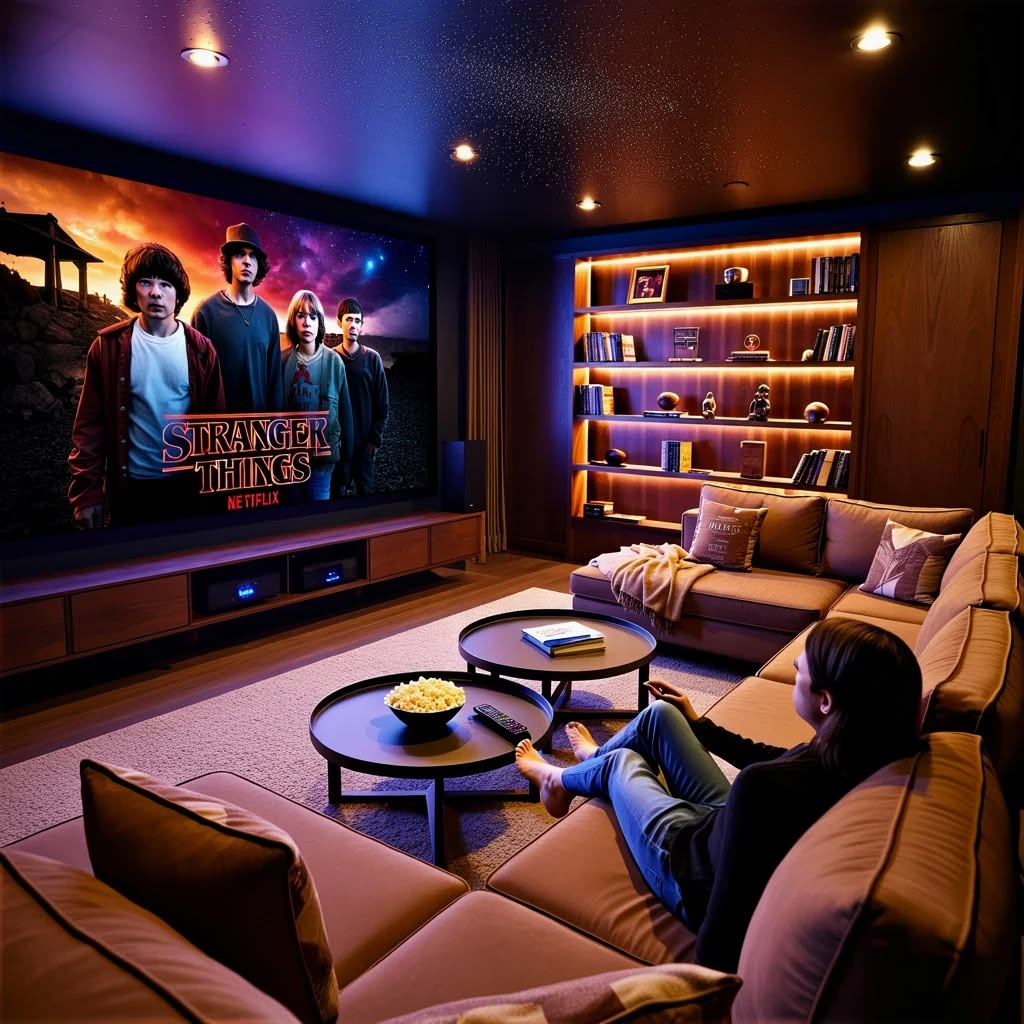

Movie night starts with lighting.
Most people spend hours choosing a TV, sound system, or comfortable sofa. Yet lighting often gets overlooked. That’s a mistake because the right lighting can improve picture quality, reduce eye strain, and make your space more comfortable.
The best lighting setup for watching a movie creates balance. The room shouldn’t be too bright or completely dark. Instead, the lighting should support the screen without becoming a distraction.
Whether you’re watching TV and movies every evening or hosting weekend movie nights, a few lighting changes can improve the experience.

Why Is Lighting Important for Movie Watching?
Lighting affects how your eyes respond to the screen. A room that is too bright can create glare, while complete darkness can cause eye fatigue. Balanced lighting helps maintain comfort, improves visibility, and supports a better viewing experience during long movies or TV sessions.
Many homeowners assume a completely dark room is the best option.
In reality, your eyes work harder when a bright screen is the only light source in the room.
A small amount of controlled lighting helps create a more comfortable viewing environment.
That’s why many home theater designs include low-level background lighting.
What Is the Best Lighting Setup for Watching a Movie?
The best lighting setup for watching a movie includes dim ambient lighting, bias lighting behind the screen, warm color temperatures, and glare control. These elements work together to improve comfort, reduce eye strain, and help maintain clear picture quality while watching TV and movies.
The television should remain the focal point.
Everything else should support the viewing experience.
A well-designed setup usually includes:
- Bias lighting behind the TV
- Dimmable ambient lighting
- Warm white bulbs
- Blackout curtains
- Proper fixture placement
These simple additions can make a noticeable difference.
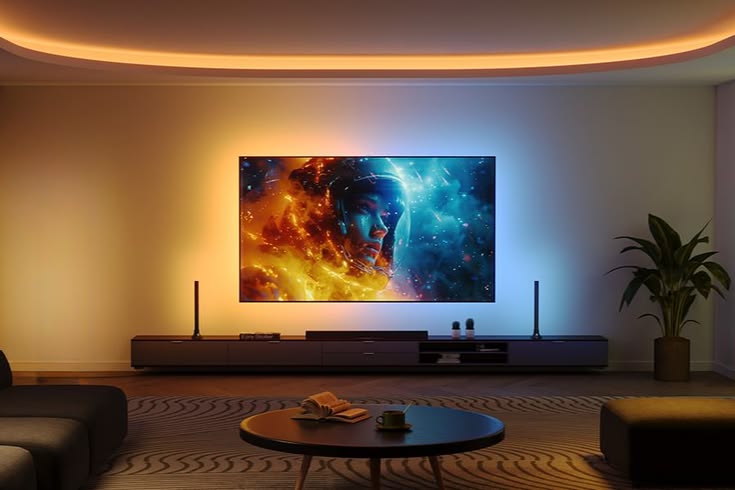
Use Bias Lighting Behind the Television
Bias lighting is one of the easiest upgrades you can make.
This lighting sits behind the television and casts a soft glow onto the wall.
The extra light reduces the contrast between the bright screen and the dark room.
As a result, your eyes stay more comfortable during long viewing sessions.
Many people who enjoy watching TV and movies regularly consider bias lighting a must-have feature.
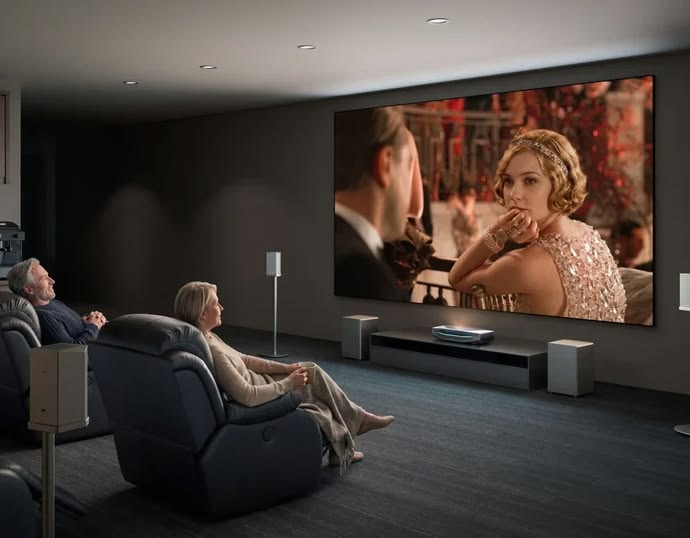
Keep Ambient Lighting Soft
Ambient lighting provides general illumination throughout the room.
For movie watching, lower brightness levels usually work best.
Wall sconces, floor lamps, and recessed lights can provide enough light without competing with the screen.
Dimmable fixtures offer the most flexibility.
You can increase brightness before the movie starts and lower it once the film begins.
What Color Temperature Works Best?
Warm white lighting between 2700K and 3000K works best for most movie rooms. This range creates a comfortable atmosphere, reduces harsh brightness, and supports a relaxed environment for watching TV and movies without distracting from the screen.
Cool white lighting often feels too bright in entertainment spaces.
Warm lighting creates a softer appearance that works well during evening viewing.
Many homeowners use warm LED bulbs throughout their media rooms for this reason.
Read Also: Playing with lighting
Reduce Screen Glare
Glare can affect picture quality.
Even a premium television can look less impressive when bright light reflects off the screen.
To reduce glare:
- Install blackout curtains
- Position lamps away from the television
- Avoid exposed bulbs near the screen
- Use dimmable lighting controls
Natural sunlight can also create reflections during the day.
Window coverings help solve this problem quickly.
Choose the Right Light Fixtures
The fixtures you choose play a major role in your setup.
Some fixtures create soft, comfortable lighting. Others create harsh brightness that pulls attention away from the screen.
Popular options include:
Wall Sconces
Wall sconces provide indirect lighting and help create a theater-like atmosphere.
They’re especially useful in dedicated movie rooms.
Floor Lamps
A floor lamp placed beside seating can provide gentle background lighting.
Look for models with dimming controls.
LED Strip Lights
LED strips work well behind televisions, shelves, and entertainment centers.
They provide subtle lighting without taking up extra space.
Side Tables With Lamps
Side tables often sit next to sofas and recliners.
A small table lamp on a side table can provide enough ambient light for snacks, drinks, or reading before the movie begins.
Should You Watch Movies in Complete Darkness?
Watching movies in complete darkness is not always the most comfortable option. While darkness can improve screen contrast, it may also increase eye strain during extended viewing. Low-level background lighting often creates a better balance between comfort and picture quality.
Commercial theaters follow a similar approach.
Although the room appears dark, small lights remain visible along walkways and exits.
The same principle works well at home.
A little light often creates a more comfortable experience than total darkness.
Data Opportunity
This article would benefit from supporting data.
Consider adding:
- Eye strain statistics related to screen viewing
- Home theater market trends
- Consumer preferences for LED lighting
- Energy savings from LED bulbs
A chart comparing warm white and cool white color temperatures would also help readers choose the right lighting.
Related Articles
Add internal links to strengthen SEO and improve navigation:
- Home lighting ideas
- Living room lighting guide
- Best LED strip lights for home use
- Home theater design tips
- Lighting for watching TV
- Media room decorating ideas
Conclusion
The best lighting setup for watching a movie combines comfort, visibility, and atmosphere.
Bias lighting behind the screen, warm ambient lighting, and proper glare control can improve the viewing experience without requiring expensive upgrades.
Small details often make the biggest difference. By choosing the right fixtures, using warm light, and controlling brightness levels, you can create a space that feels comfortable whether you’re enjoying a movie marathon or simply watching TV with family.


