
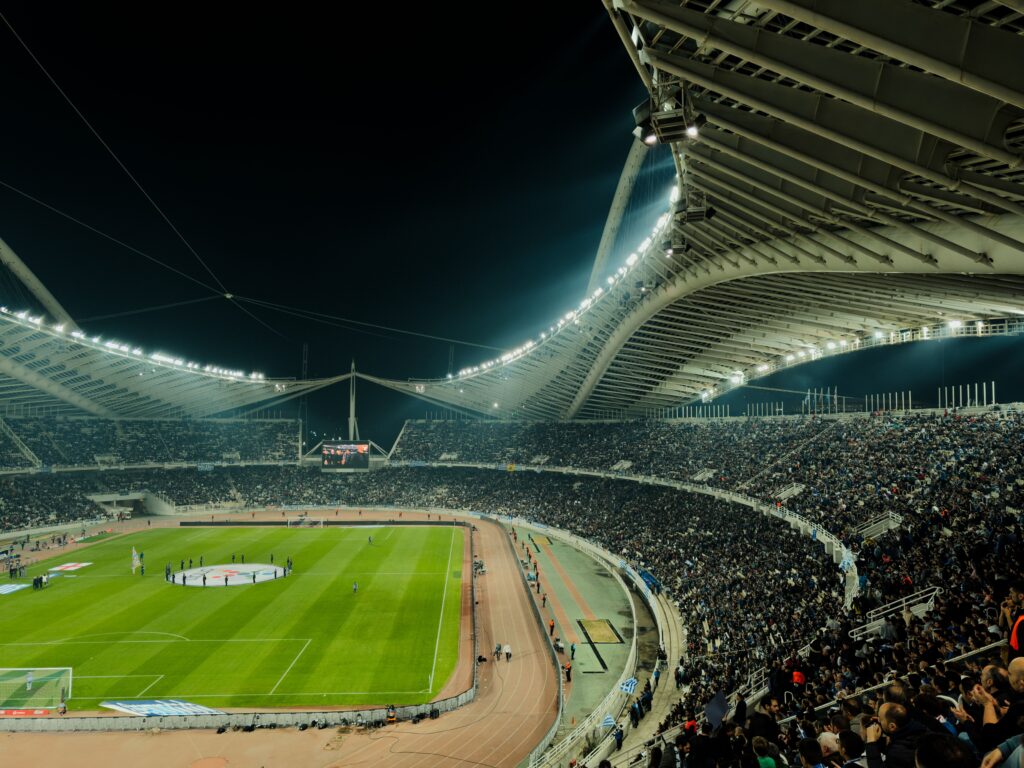

Good lighting keeps every match visible.
Players need to see the ball clearly from kickoff to the final whistle. Coaches need consistent visibility during training, while spectators expect a comfortable viewing experience. That’s why many schools, sports clubs, municipalities, and stadium operators invest in lights for soccer field projects that provide reliable illumination throughout the playing area.
Modern LED sports lighting also reduces electricity use and maintenance compared with older lighting technologies.
Selecting the right lighting system begins with understanding brightness, uniformity, pole placement, beam angles, and fixture performance.

Lights for Soccer Field Overview
Lights for soccer field systems provide uniform outdoor illumination that supports matches, training sessions, and recreational play after sunset. Modern LED fixtures improve visibility, reduce operating costs, and deliver dependable performance while creating consistent lighting across the entire playing surface.
Lighting design matters as much as fixture quality.
A balanced system creates a better experience for everyone on the field.
Why Proper Soccer Field Lighting Matters
Lighting affects player performance.
Athletes need to track the ball during passes, crosses, shots, and aerial plays. Poor lighting creates shadows that reduce visibility and make the game more difficult.
Lights for soccer field installations also improve safety by helping players see teammates, opponents, goalposts, and field markings.
Good visibility supports officials as well.
Referees can make more accurate decisions when lighting remains consistent across the field.
Benefits of LED Sports Lighting
Many sports facilities now replace older metal halide systems with LEDs.
The reasons are practical.
Lights for soccer field projects using LED technology often provide:
- Lower energy consumption
- Longer fixture lifespan
- Instant full brightness
- Reduced maintenance
- Better light uniformity
- Improved color rendering
These advantages help reduce long-term operating expenses.
Facilities also benefit from fewer lamp replacements.
Choosing the Right Brightness
Brightness depends on how the field is used.
Community fields usually require lower light levels than professional stadiums.
When planning lights for soccer field installations, lighting designers consider:
- Recreational play
- School competitions
- Club matches
- Professional events
- Television broadcasting
Higher competition levels typically require greater illumination and stricter uniformity.
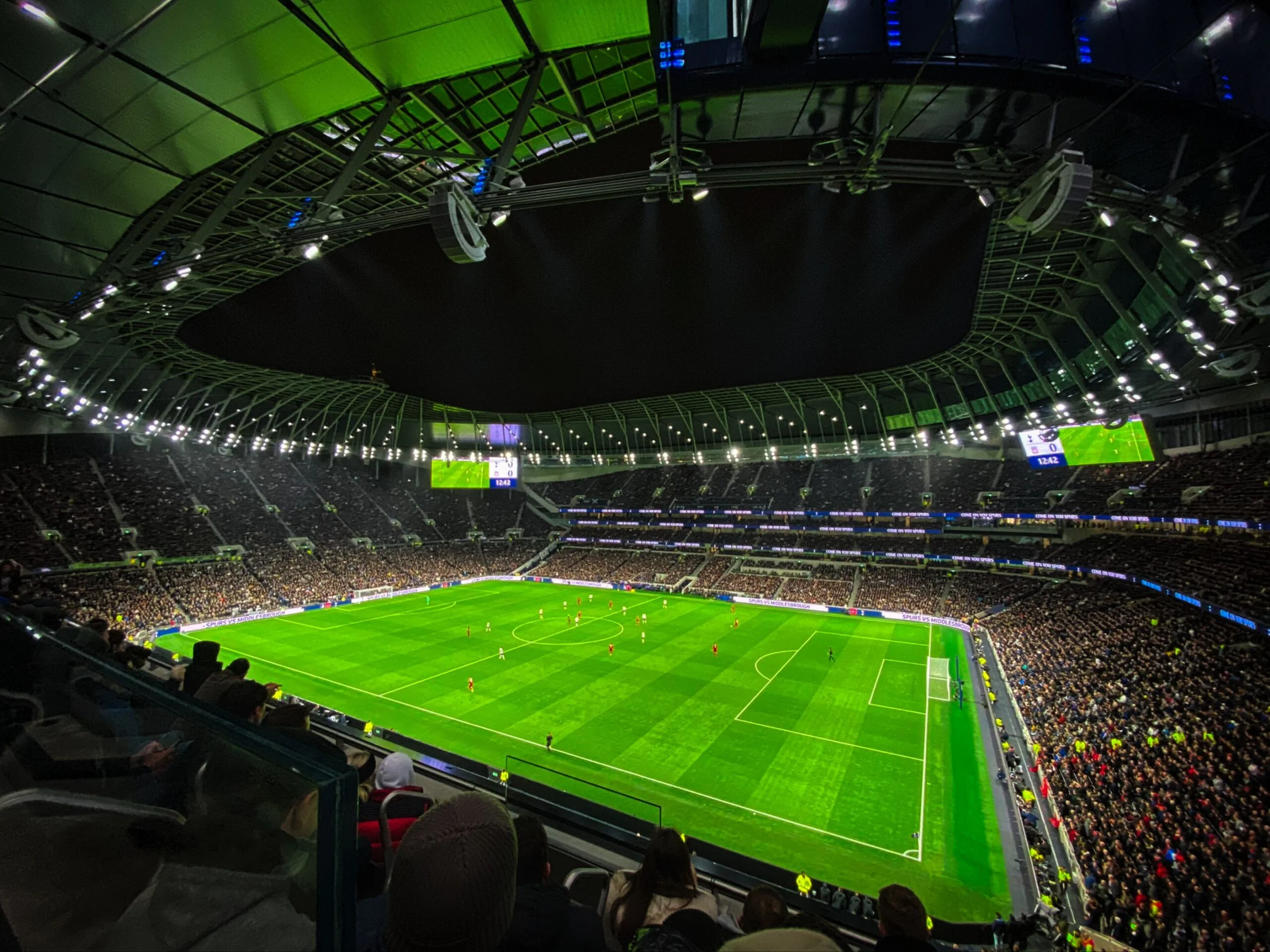
Uniform Lighting Creates Better Visibility
Brightness alone does not create a quality lighting system.
Uniform light distribution is equally important.
Lights for soccer field designs should reduce dark areas while providing consistent illumination from one end of the pitch to the other.
Even lighting helps players judge distance and ball movement more accurately.
It also improves the spectator experience.
Pole Height and Placement
Pole height directly affects lighting coverage.
Higher poles allow fixtures to distribute light across larger areas.
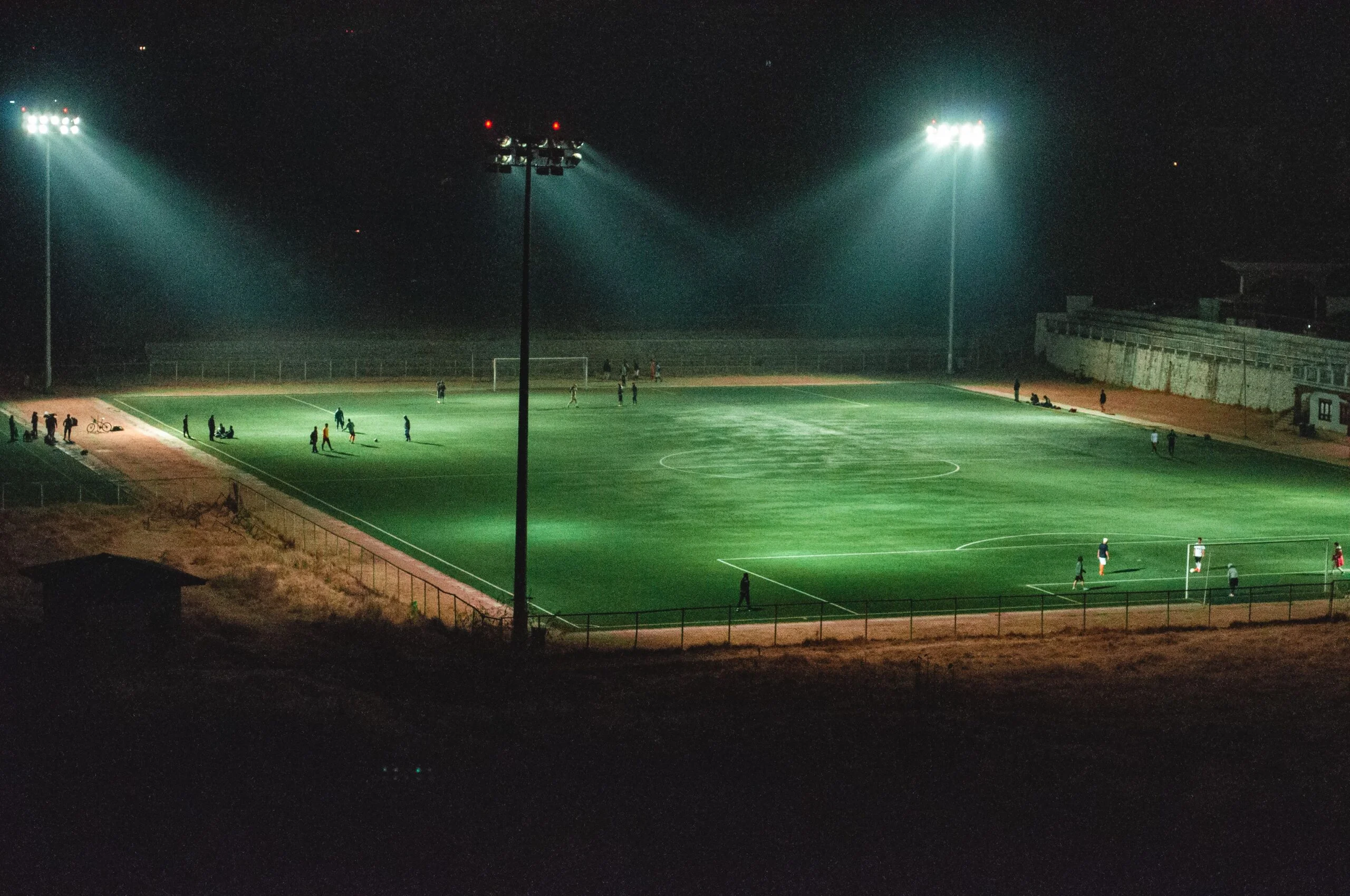
Many lights for soccer field projects use poles between 50 and 100 feet, depending on field size and local regulations.
Pole placement should minimize shadows while reducing glare for players and spectators.
Professional lighting calculations determine the best layout.
Selecting the Right Beam Angle
Beam angle controls how light spreads.
Narrow beams project light farther.
Wide beams illuminate broader areas.
Lights for soccer field installations often combine multiple beam angles to create balanced coverage throughout the pitch.
Proper optics also reduce wasted light outside the playing area.
Best Color Temperature
Color temperature affects visibility during evening matches.
Many sports lighting systems use:
- 4000K
- 5000K
- 5700K
These options produce crisp, natural-looking light that helps players follow the ball.
Cooler white light also improves object recognition during fast-paced play.
Glare Control Is Essential
Excessive glare can affect performance.
Players looking upward for high balls should not face uncomfortable brightness.
Lights for soccer field systems often include optical shields and precision lenses that direct light where it is needed.
Proper fixture aiming also reduces glare for nearby homes and roads.
Energy Savings and Operating Costs
Electricity costs remain an important consideration for sports facilities.
LED technology reduces power consumption while maintaining dependable performance.
Lights for soccer field upgrades often lower utility bills and reduce maintenance expenses over time.
Many facilities also install smart controls.
Lighting schedules can automatically adjust for practices, matches, and maintenance.
Weather Resistance
Outdoor lighting operates year-round.
Rain, wind, snow, dust, and changing temperatures place equipment under constant stress.
Lights for soccer field fixtures should include weather-resistant housings designed for outdoor use.
Durable construction supports long service life.
Maintenance Planning
Routine inspections help maintain lighting performance.
Maintenance tasks include:
- Cleaning fixture lenses
- Checking electrical connections
- Inspecting mounting brackets
- Verifying fixture alignment
- Testing lighting controls
LED fixtures generally require less maintenance than traditional sports lighting systems.
This reduces downtime and operating costs.
Common Installation Mistakes
Several mistakes can reduce lighting quality.
Common examples include:
- Poor pole placement
- Incorrect beam angles
- Uneven fixture spacing
- Insufficient brightness
- Excessive glare
- Ignoring future maintenance access
Professional lighting design helps prevent these issues.
Proper planning improves long-term performance.
How to Choose the Right Lighting System
Every soccer facility has different needs.
Before selecting lights for soccer field equipment, consider:
- Field dimensions
- Competition level
- Pole height
- Fixture output
- Energy goals
- Local lighting regulations
- Maintenance requirements
A complete lighting plan supports reliable operation for years to come.
Read Also: Soccer Field Dimensions
FAQs
What are lights for soccer field systems
Lights for soccer field systems are outdoor sports lighting installations designed to provide safe and uniform illumination for soccer matches, training sessions, and recreational play.
Why are LED fixtures used for soccer fields
LED fixtures consume less electricity, last longer, provide instant brightness, and reduce maintenance compared with older lighting technologies.
How tall are soccer field lighting poles
Many installations use poles between 50 and 100 feet, depending on field size, competition level, and lighting design.
What color temperature works best for soccer field lighting
Many sports facilities choose color temperatures between 4000K and 5700K because they provide clear visibility and natural color appearance.
Why is lighting uniformity important
Uniform lighting reduces shadows, improves ball visibility, supports player safety, and creates a better experience for officials and spectators.
Can existing soccer fields upgrade to LED lighting
Yes. Many facilities replace older metal halide systems with LED fixtures to improve efficiency, reduce maintenance, and lower operating costs.
Conclusion
Lights for soccer field systems play a vital role in creating safe, reliable, and enjoyable playing conditions after sunset. A successful lighting project depends on more than fixture brightness. Uniform light distribution, proper pole placement, glare control, and durable LED technology all contribute to consistent performance.
Whether the project involves a community field, school, training complex, or professional stadium, selecting the right lighting system helps improve visibility, reduce operating costs, and support long-term reliability. Careful planning ensures players, coaches, officials, and spectators benefit from dependable lighting throughout every match.


