
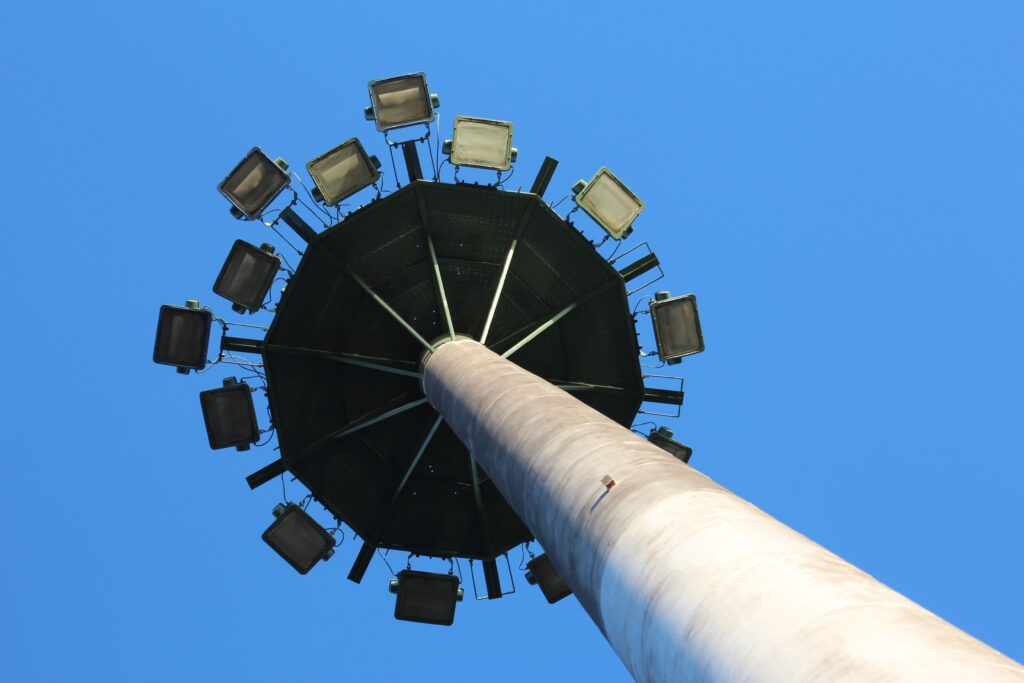

Large outdoor spaces need dependable lighting.
Roadways, airports, ports, stadiums, industrial facilities, and parking lots all require lighting that reaches wide areas from elevated poles. Standard fixtures often cannot provide the coverage needed for these locations. That is why many engineers and facility managers choose a led high mast light for large-scale outdoor lighting projects.
Modern LED technology also helps reduce electricity use and maintenance compared to older high-intensity discharge lighting systems.
A properly planned lighting system improves visibility, supports safety, and provides consistent illumination throughout the site.

LED High Mast Light Overview
A led high mast light is a high-output lighting fixture mounted on tall poles, typically between 50 and 150 feet. These lighting systems provide broad, uniform illumination for large outdoor spaces while reducing energy consumption and maintenance when compared with traditional lighting technologies.
High mast lighting differs from conventional area lighting.
Its purpose is to illuminate large spaces from fewer mounting locations.
What Is a LED High Mast Light
A led high mast light is an outdoor lighting fixture designed for installation on tall poles.
The fixture directs light across wide areas using specialized optics.
Unlike standard floodlights, these fixtures are engineered to provide uniform coverage while reducing glare and dark spots.
Many modern installations use LED technology because it provides reliable performance and longer service life.
Common Applications
A led high mast light is commonly used in locations where large coverage areas are required.
Popular applications include:
- Highways
- Airports
- Seaports
- Container terminals
- Sports complexes
- Industrial facilities
- Distribution centers
- Railway yards
- Large parking lots
- Logistics hubs
Each project has different lighting requirements.
Proper planning ensures the fixture matches the application.
Why LED Technology Is Preferred
Many facilities have replaced older metal halide systems with LED lighting.
LED fixtures offer several practical advantages.
A led high mast light commonly provides:
- Lower energy consumption
- Longer operating life
- Faster full brightness
- Better light distribution
- Reduced maintenance
- Improved color rendering
These benefits help lower operating costs over time.
Many organizations also appreciate the reduced maintenance associated with LED fixtures.
Pole Height Requirements
Pole height affects lighting performance.
Most high mast systems use poles between:
- 50 feet
- 80 feet
- 100 feet
- 120 feet
- 150 feet
The correct height depends on the size of the area being illuminated.
A led high mast light installed at the proper elevation provides wider coverage and more consistent illumination.
Higher poles also reduce the total number of fixtures required.
Beam Angle and Light Distribution
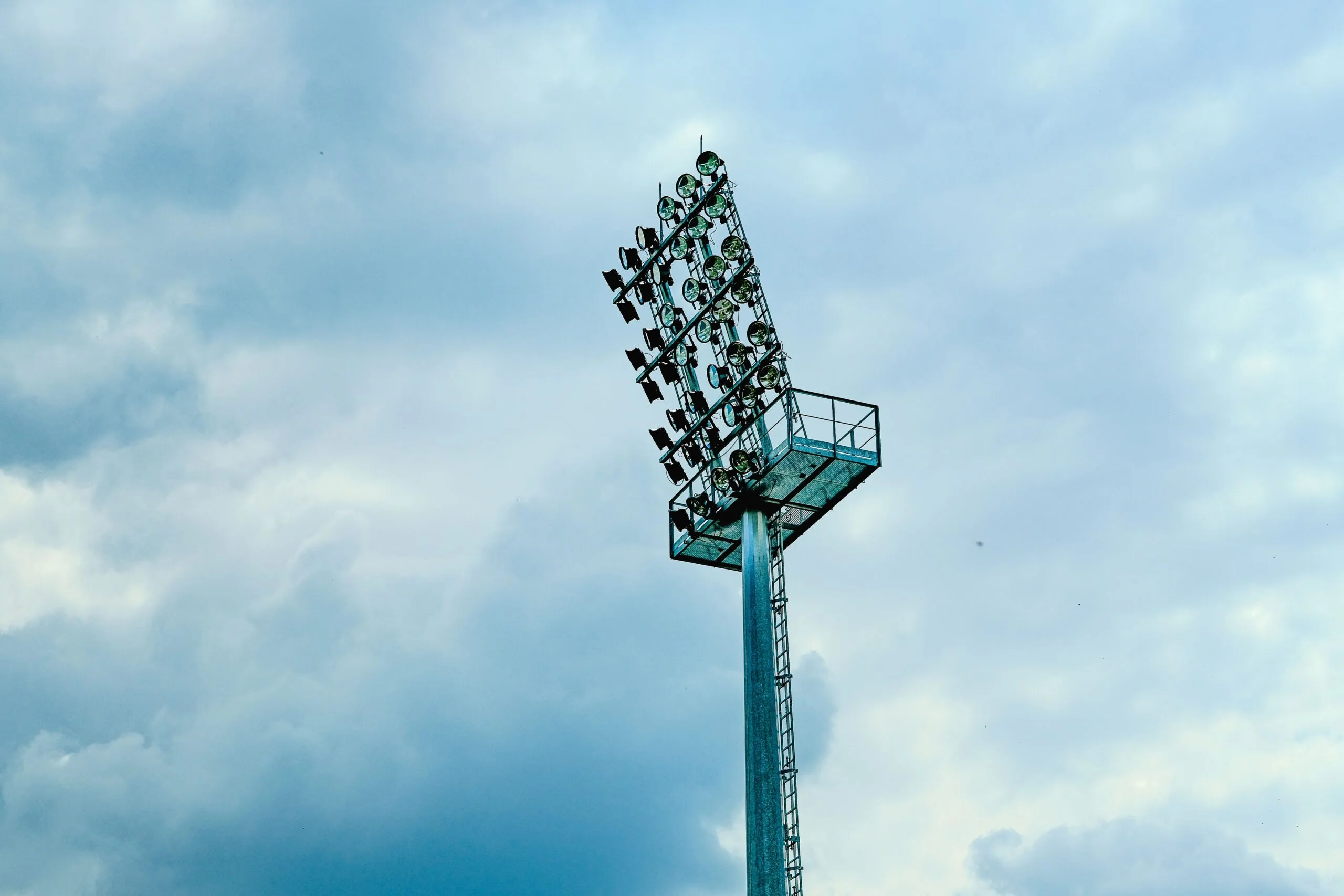
Beam angle determines how light spreads across an area.
Narrow beams concentrate light over longer distances.
Wide beams distribute light across broader spaces.
A led high mast light often uses precision optics to balance brightness with uniform coverage.
Proper beam selection helps reduce shadows and uneven lighting.
Choosing the Correct Wattage
Wattage depends on the project size.
Typical LED high mast fixtures range from:
- 300 watts
- 500 watts
- 800 watts
- 1000 watts
- 1200 watts
Higher wattage does not always produce better results.
Lighting design should focus on uniform illumination instead of maximum brightness.
Color Temperature Options
Color temperature influences visibility.
Many outdoor installations use:
- 4000K
- 5000K
- 5700K
These color temperatures provide clear visibility while maintaining natural object appearance.
The best option depends on local requirements and project goals.
Advantages Over Traditional Lighting
Older lighting technologies often require frequent maintenance.
Lamp replacement and ballast failures can increase operating expenses.
A led high mast light reduces many of these maintenance concerns.
LED fixtures also reach full brightness immediately after startup.
This feature supports facilities that require dependable nighttime operation.
Energy Savings
Electricity costs remain an important consideration for large facilities.
LED systems consume less power while delivering comparable or improved light output.
A led high mast light can help reduce energy costs when replacing older high-intensity discharge fixtures.
Many facilities also install lighting controls to increase efficiency.
Timers and motion controls allow lighting levels to adjust based on operating schedules.
Maintenance Considerations
Regular inspections help maintain lighting performance.
Maintenance tasks include:
- Cleaning fixture lenses
- Checking electrical connections
- Inspecting mounting hardware
- Verifying fixture alignment
- Testing lighting controls
LED systems generally require fewer maintenance visits than traditional lighting systems.
This reduces long-term operating costs.
Weather Resistance
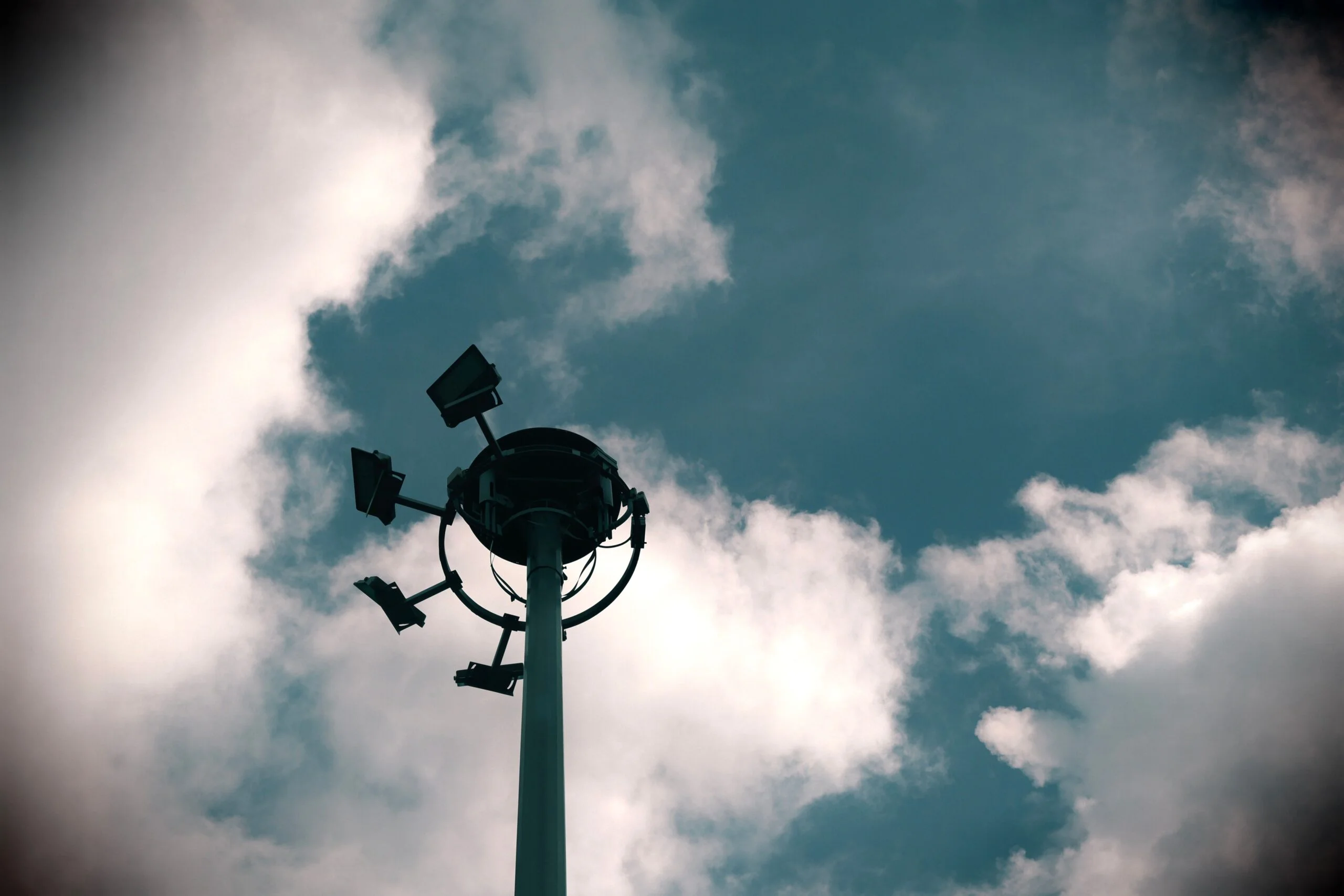
Outdoor lighting must withstand changing weather conditions.
Many high mast fixtures include durable housings designed for:
- Rain
- Snow
- Heat
- Wind
- Dust
- Humidity
Selecting weather-resistant equipment helps improve long-term reliability.
Environmental protection ratings should match the installation location.
Common Installation Mistakes
Several mistakes can reduce lighting performance.
Common examples include:
- Choosing incorrect beam angles
- Installing poles too close together
- Using insufficient fixture output
- Ignoring glare control
- Selecting the wrong color temperature
- Overlooking maintenance access
Proper planning helps prevent these problems.
Lighting calculations should be completed before installation begins.
How to Choose the Right LED High Mast Light
Every project has different requirements.
Before selecting a led high mast light, consider:
- Area dimensions
- Pole height
- Fixture wattage
- Beam angle
- Weather conditions
- Energy goals
- Maintenance requirements
- Local lighting standards
A complete lighting plan helps improve efficiency and long-term performance.
Visit Also: LED Stadium Light
FAQs
What is a LED high mast light
A LED high mast light is a powerful outdoor lighting fixture mounted on tall poles to illuminate large areas such as highways, airports, ports, parking lots, and industrial facilities.
Where are LED high mast lights commonly used
These fixtures are commonly installed at airports, sports complexes, logistics centers, container terminals, industrial sites, railway yards, and large commercial parking areas.
How tall are high mast lighting poles
Most installations use poles ranging from 50 to 150 feet, depending on the project requirements and lighting design.
What color temperature is best for outdoor high mast lighting
Many installations use 4000K to 5700K because these color temperatures provide clear visibility and natural color appearance.
Why are LED high mast lights replacing metal halide fixtures
LED fixtures consume less electricity, require less maintenance, provide longer operating life, and deliver consistent light output.
How long does a LED high mast light last
Service life depends on fixture quality and operating conditions, but many commercial LED systems operate reliably for tens of thousands of hours before significant light depreciation occurs.
Conclusion
A led high mast light provides dependable illumination for large outdoor environments where standard lighting cannot deliver adequate coverage. Proper pole height, beam angle, wattage, and fixture placement all contribute to safe and consistent lighting performance.
Whether the project involves an airport, industrial facility, sports complex, highway, or parking area, selecting the right LED high mast lighting system helps improve visibility, reduce operating costs, and support long-term reliability. Careful planning also helps maximize lighting performance while minimizing maintenance throughout the life of the installation.


