
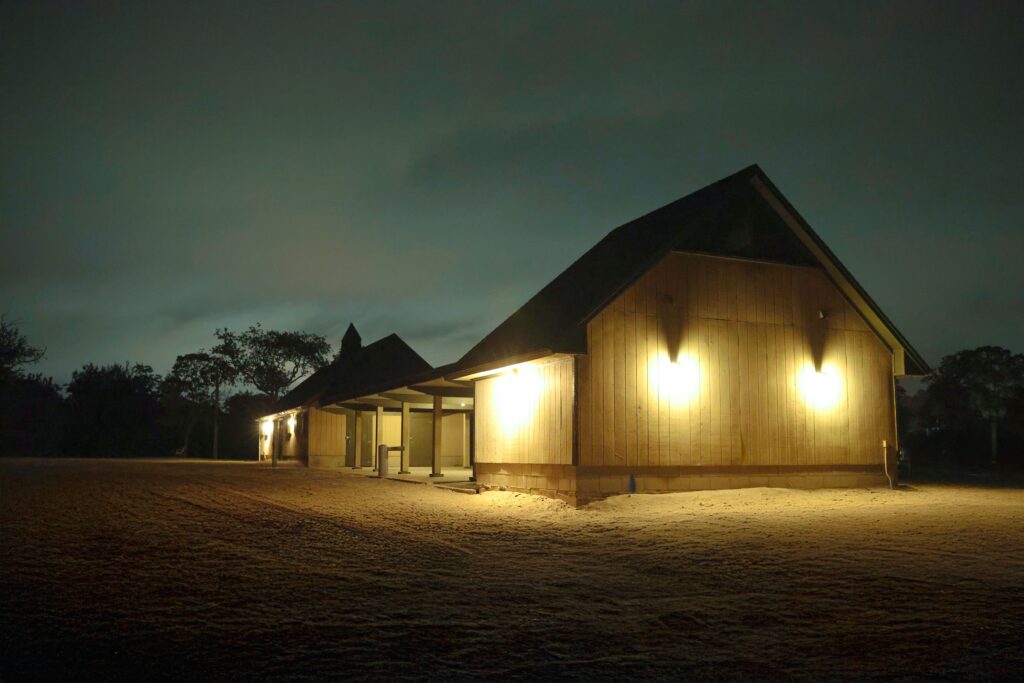

Exterior lighting can improve visibility around a property while adding useful illumination to entrances, walkways, driveways, patios, and other outdoor areas. Choosing the right fixture also helps homeowners avoid unnecessary energy use and constant manual switching.
Dawn to dusk exterior lighting uses a built-in photocell or light sensor to respond to changing outdoor conditions. The fixture turns on when surrounding light levels become low and switches off when daylight returns.
This automatic operation makes these lights useful for homeowners who want outdoor illumination without adjusting a switch every evening.
What Is Dawn to Dusk Exterior Lighting?
Dawn to dusk exterior lighting is outdoor lighting controlled by a photocell that detects ambient light. The fixture normally activates around sunset and switches off after sunrise, making it suitable for entrances, pathways, garages, driveways, security areas, and other locations that need automatic nighttime illumination.
The system does not usually depend on a fixed clock.
Instead, the sensor responds to the amount of light around the fixture.
This can be useful because sunset and sunrise times change throughout the year.

How Does a Photocell Work?
A photocell is a light-sensitive component that detects changes in ambient illumination.
During daylight, the sensor detects sufficient natural light and keeps the fixture switched off.
As outdoor light levels decrease, the photocell signals the fixture to turn on.
The process reverses as morning daylight increases.
This simple control method allows exterior lighting to operate automatically without requiring the homeowner to remember when to turn it on or off.
Where to Use Automatic Exterior Lighting
The best location depends on the purpose of the light.
Front Entry
An automatically controlled light near the front door can provide illumination when residents or visitors arrive after dark.
It can also make the entrance easier to identify from the driveway or street.
Driveways
Driveway lighting can improve visibility around parked vehicles and walking areas.
Choose a fixture with an appropriate beam spread so the light covers the intended area without creating excessive glare.
Garage
Garage entrances often benefit from automatic lighting.
A sensor-controlled fixture can provide illumination when the area becomes dark without requiring someone to switch the light manually.
Walkways
Pathway lighting can help people identify steps, changes in elevation, and other obstacles.
Avoid excessive brightness that can create uncomfortable glare.
Patio and Outdoor Living Areas
Automatic fixtures can provide background illumination around patios and seating areas.
For entertaining spaces, combine automatic exterior lighting with separately controlled decorative or task lighting.
Benefits of Dawn to Dusk Lighting
Automatic Operation
The biggest advantage is convenience.
The light responds to outdoor conditions without requiring daily manual operation.
Improved Nighttime Visibility
Outdoor lighting can make entrances, walkways, garages, and other areas easier to navigate after sunset.
Reduced Unnecessary Operation
A photocell can prevent the fixture from remaining on during daylight.
This can help reduce unnecessary electricity consumption compared with a light that is manually left on.
Consistent Lighting
Automatic controls provide a predictable lighting routine.
Homeowners do not have to remember to activate exterior lights each evening.
Suitable for Different Property Types
These fixtures can work with single-family homes, townhouses, apartment properties, garages, workshops, and other residential applications when the fixture is suitable for the location.
LED Fixtures for Exterior Applications
LED technology is commonly used for outdoor lighting because LED fixtures can provide efficient illumination and long operating life.
When choosing an outdoor LED fixture, consider more than wattage.
Check:
- Lumens
- Color temperature
- Beam distribution
- Weather resistance
- Operating temperature
- Dimming compatibility
- Photocell location
- Mounting method
A higher lumen rating does not automatically mean better outdoor lighting.
The fixture should provide enough illumination for the intended task without producing excessive glare.
Choosing the Right Color Temperature
Color temperature affects how an exterior space looks after dark.
Warm White
Warm white lighting generally produces a softer appearance.
It can work well around front entrances, patios, porches, gardens, and architectural features.
Neutral White
Neutral white can provide a cleaner appearance while maintaining a less blue appearance than higher color temperatures.
It can suit driveways, entrances, garages, and general exterior areas.
Cool White
Cooler lighting can provide a crisp appearance and strong visual contrast.
It may be useful where visibility is the primary concern, although excessive brightness can create glare.
For many residential properties, the best color temperature depends on the home’s architecture, surrounding landscape, and desired atmosphere.
Sensor Placement Matters
The photocell needs access to changing outdoor light levels.
If the sensor is positioned where it receives artificial light from another fixture, it may behave incorrectly.
For example, a nearby porch light could shine directly onto the photocell.
The sensor may interpret that light as daylight and switch the fixture off even though the surrounding area is dark.
Trees, roof overhangs, walls, and other obstructions can also affect sensor performance.
Weather and Outdoor Conditions
Outdoor fixtures face conditions that indoor lighting does not.
Rain, humidity, dust, temperature changes, and direct sunlight can affect exterior equipment.
Look for a fixture with an appropriate outdoor rating for the installation location.
The required protection can differ between a covered porch and a fully exposed wall.
A fixture intended for a sheltered location should not automatically be used in an exposed area.
Light Distribution and Glare
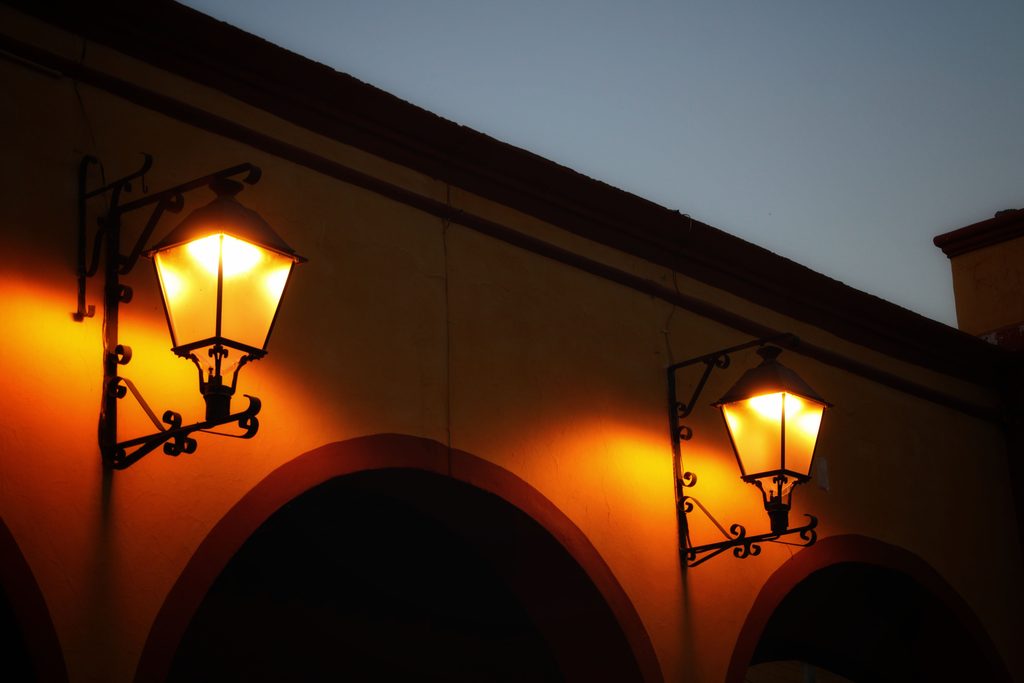
Good outdoor lighting should illuminate the intended area without directing excessive light toward windows, neighboring properties, or passing vehicles.
A wide beam can cover a larger area.
A narrower beam can focus illumination on a specific feature or entrance.
The mounting height and fixture angle also affect the final result.
Positioning should be planned before installation rather than relying on maximum brightness to compensate for poor placement.
Energy Considerations
Automatic operation can help prevent lights from remaining on unnecessarily during daylight.
LED fixtures can further reduce electricity use compared with older lighting technologies.
However, actual energy consumption depends on wattage, operating hours, fixture count, and local electricity rates.
Using multiple high-output fixtures when fewer appropriately positioned lights would work can increase energy use without improving the lighting design.
Buying Tips
Before purchasing dawn to dusk exterior lighting, consider the property’s layout, the purpose of the fixture, local weather conditions, and the available electrical connection.
Check the Outdoor Rating
Choose a fixture rated for the location where it will be installed.
A covered porch has different exposure than an uncovered wall or driveway.
Check the manufacturer’s specifications for moisture and weather resistance.
Select the Right Brightness
Look at lumens rather than wattage alone.
A fixture with too few lumens may leave important areas dark, while excessive output can create glare.
Match brightness to the size and purpose of the area.
Review the Sensor
Check whether the photocell is built into the fixture or supplied separately.
The sensor should have a clear view of changing outdoor light levels.
Consider LED Efficiency
LED fixtures can provide long operating life and efficient illumination.
They are often practical for lights that operate for several hours every night.
Check Installation Requirements
Review voltage, wiring, mounting hardware, junction-box requirements, and installation instructions before ordering.
Some fixtures are designed for standard wall boxes, while others may require different mounting arrangements.
Common Selection Mistakes
Choosing Only by Appearance
An attractive fixture may not provide the correct light distribution or weather protection.
Appearance should be considered alongside performance and installation requirements.
Ignoring Sensor Location
A poorly positioned photocell can receive light from nearby fixtures.
This may cause the light to switch off unexpectedly at night.
Using Excessive Brightness
More light is not always better.
Overly bright fixtures can produce glare and create uncomfortable conditions for occupants and neighbors.
Forgetting the Property Layout
A single fixture may not adequately cover a large driveway, pathway, or outdoor area.
Plan the lighting coverage before purchasing multiple fixtures.
Mixing Incompatible Controls
Some fixtures are designed to operate directly through their photocell.
Others may be compatible with switches, timers, or smart controls.
Review the manufacturer’s control requirements before combining systems.
Installation and Placement
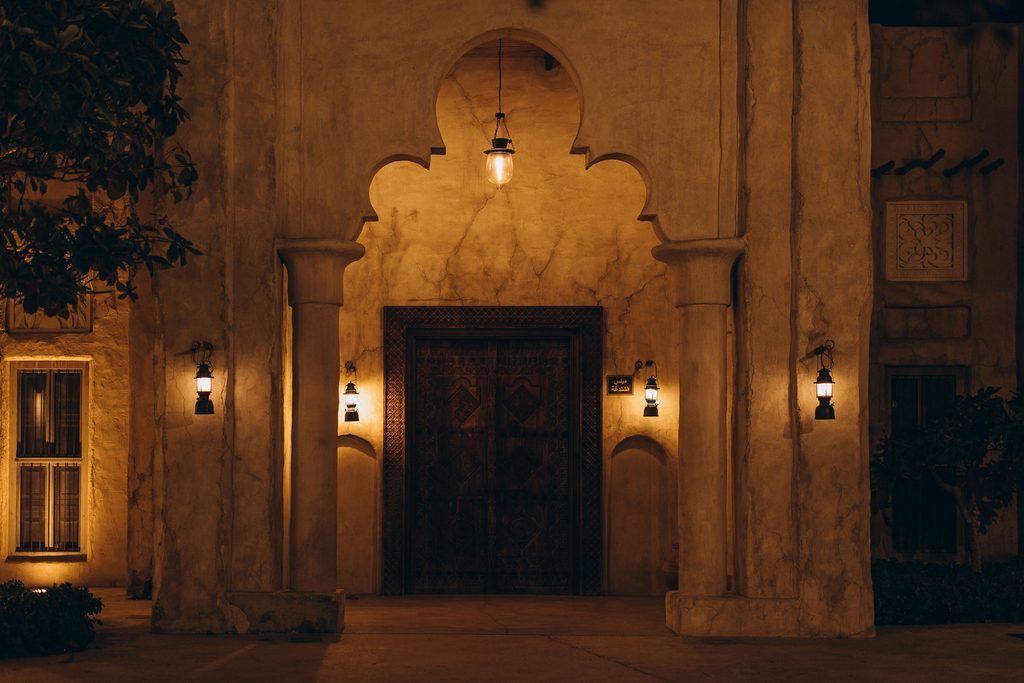
Proper placement is essential for reliable operation.
Choose an Open Sensor Location
Keep the photocell away from direct illumination produced by other exterior fixtures.
The sensor should detect natural changes in ambient light rather than artificial light from nearby sources.
Position the Fixture Correctly
Aim the light toward the area that needs illumination.
Avoid directing strong light toward bedroom windows, neighboring properties, or roadways.
Secure the Mounting Point
The mounting surface should support the fixture and withstand outdoor conditions.
Use the hardware specified for the fixture and mounting surface.
Follow Electrical Requirements
Outdoor electrical installations must be suitable for the environment.
Where wiring, new circuits, junction boxes, or other electrical modifications are required, use a qualified electrician and follow applicable local requirements.
Cleaning and Maintenance
Regular maintenance helps keep dawn to dusk exterior lighting operating properly.
Clean the Lens
Dust, insects, dirt, and other buildup can reduce light output.
Clean the lens according to the manufacturer’s instructions.
Keep the Photocell Clear
Do not cover the sensor with paint, dirt, decorative material, or other objects.
A blocked sensor may not detect changing daylight correctly.
Inspect for Damage
Check the housing, lens, mounting hardware, and visible wiring for signs of deterioration.
Cracks, corrosion, loose components, or water intrusion should be addressed promptly.
Check Performance
Notice whether the light switches on and off at appropriate times.
If it remains on during daylight or fails to activate after dark, inspect the sensor, power supply, fixture, and surrounding light sources.
Exterior Design Ideas
Dawn to dusk exterior lighting can support both practical illumination and outdoor design.
Highlight the Front Door
Place a wall fixture near the entrance to create a clear visual focal point.
Use warm or neutral illumination when a softer residential appearance is preferred.
Illuminate Landscaping
Low-level fixtures can highlight trees, planting beds, pathways, and architectural features.
Avoid placing lights where landscaping growth will eventually block the beam.
Light the Driveway
Position fixtures to illuminate vehicle and pedestrian areas without creating direct glare for drivers.
Combine Different Lighting Layers
Use automatic general lighting with separate pathway, accent, or decorative fixtures.
This gives homeowners more control over different outdoor activities.
Use Symmetry Carefully
Matching fixtures on both sides of an entrance can create a balanced appearance.
However, symmetry should not be forced when the architecture does not support it.
U.S. Regional Considerations
Outdoor lighting conditions vary across the United States.
Hot and Sunny Areas
Strong sunlight and high temperatures can affect outdoor fixtures and sensors.
Select products with operating-temperature specifications suitable for the installation environment.
Cold Climate Areas
Locations with freezing temperatures, snow, and ice require fixtures rated for the expected conditions.
Keep sensors and light surfaces clear of snow or ice when necessary.
Coastal Areas
Salt air can accelerate corrosion on unsuitable metal components.
For homes near the coast, check the manufacturer’s recommendations for corrosive environments.
Areas With Heavy Rain
Use fixtures designed for the level of moisture exposure at the installation location.
Do not assume that every outdoor-rated product has the same protection against water.
Smart-Home Integration
Some homeowners want automatic exterior lighting to work with a broader smart-home system.
A photocell fixture can provide simple automatic operation without requiring a network connection.
Smart controls may provide additional scheduling, remote control, or automation features when the fixture and control system are compatible.
Do not add smart controls without checking the manufacturer’s wiring and compatibility requirements.
Read Also: Coach Light
FAQs
What is dawn to dusk exterior lighting?
It is outdoor lighting that uses a light sensor or photocell to turn the fixture on when it becomes dark and off when daylight returns.
Does dawn to dusk lighting stay on all night?
Normally, yes. A properly functioning photocell keeps the fixture operating during low-light conditions until daylight is detected.
Do dawn to dusk lights use a lot of electricity?
Energy use depends on the fixture’s wattage and operating hours. LED models can reduce electricity consumption compared with many older lighting technologies.
Where should a photocell be placed?
The sensor should have a clear view of natural outdoor light and should not receive direct illumination from nearby artificial lights.
Can I use LED bulbs with a photocell fixture?
Yes, when the bulb and fixture are compatible and the fixture is designed for that type of bulb.
Why does my outdoor light stay on during the day?
Possible causes include a blocked or faulty photocell, incorrect sensor placement, nearby artificial light, or an electrical problem.
Why does my outdoor light turn off at night?
The photocell may be receiving direct light from another fixture or may have a malfunction.
Are outdoor lights safe in rain?
Only when the fixture is rated for the environmental conditions where it is installed and is correctly installed.
Can I install outdoor lighting myself?
Simple fixture replacement may be straightforward for some homeowners, but electrical modifications and new wiring should be handled by a qualified professional.
Are dawn to dusk lights good for driveways?
Yes. They can provide automatic nighttime illumination around driveways when the fixture has suitable brightness, coverage, and outdoor protection.
Conclusion
The main purpose of dawn to dusk exterior lighting is simple: provide outdoor illumination automatically according to natural light conditions.
A photocell removes the need to switch the fixture on every evening and off every morning.
For U.S. homeowners, the best fixture depends on the location, weather exposure, required brightness, mounting surface, and electrical setup.
Start by identifying the area that needs illumination. Then compare lumen output, color temperature, sensor design, outdoor rating, energy use, and installation requirements.
Avoid choosing a fixture based only on appearance or maximum brightness. Proper sensor placement is equally important because nearby artificial light can interfere with photocell operation.
Maintenance should include cleaning the lens, keeping the sensor clear, checking for damage, and monitoring the fixture’s switching behavior.
For coastal properties, cold climates, hot regions, and areas with heavy rainfall, choose equipment suited to the local environment.
When installed correctly, dawn to dusk exterior lighting can provide consistent nighttime visibility around entrances, garages, driveways, pathways, and outdoor living areas while reducing the need for daily manual operation.


