
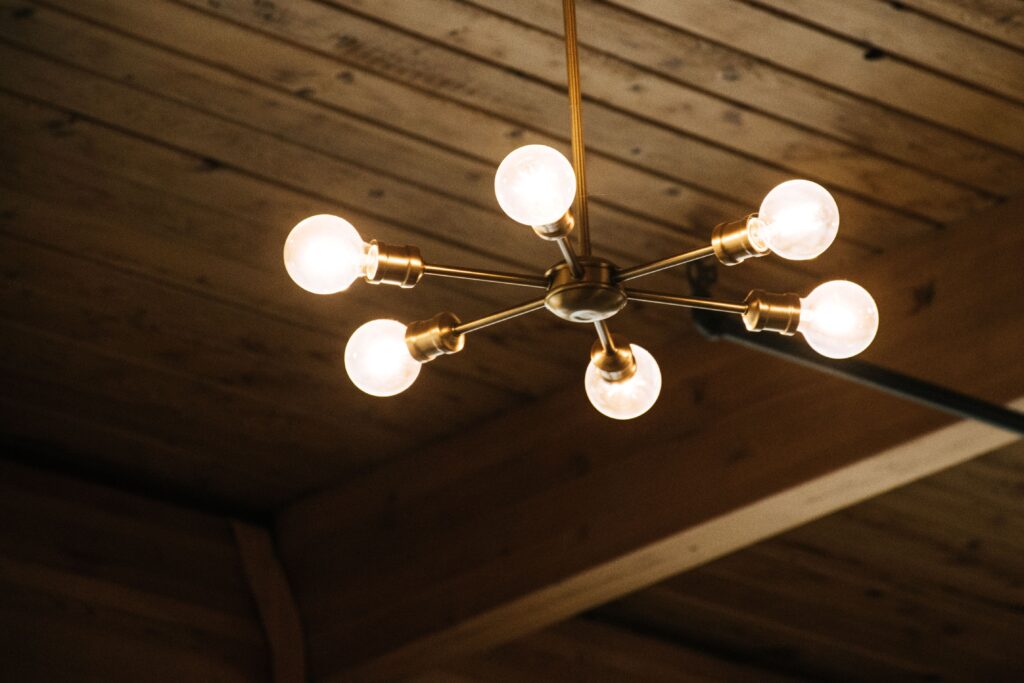

A Chandelier can do more than provide overhead illumination. The right fixture can define a room, complement its furniture, and create a clear visual focal point without overwhelming the surrounding design.
The evelyn chandelier is a style worth considering for homeowners who want decorative lighting with a refined presence. Its suitability depends on the room’s proportions, ceiling height, existing finishes, and the atmosphere you want to create.
What Is an Evelyn Chandelier?
An evelyn chandelier is a decorative ceiling fixture designed to combine functional illumination with a distinctive interior design presence. Its overall appearance, dimensions, finish, and light distribution determine how well it works in dining rooms, living spaces, bedrooms, entryways, and other areas.
Chandeliers are available in many forms, from traditional multi-arm fixtures to contemporary designs with streamlined silhouettes.
The best choice should complement the room rather than compete with it.
Why Chandelier Size Matters
Size is one of the first things to consider before purchasing a chandelier.
A fixture that is too small can disappear within a large room.
A fixture that is too large can dominate the space and make the ceiling feel visually crowded.
Measure the Room
First, measure the length and width of the room.
One common sizing method is to add the room’s dimensions in feet and use the resulting number as an approximate chandelier diameter in inches.
For example, a 12-by-14-foot room gives a total of 26 feet, suggesting a fixture around 26 inches in diameter as a starting point.
This is a guideline rather than a strict rule.
Furniture size, ceiling height, fixture design, and personal preference should also influence the final choice.

Ceiling Height and Chandelier Placement
Ceiling height affects how a chandelier should be positioned.
Standard-height ceilings generally call for fixtures that do not hang too low.
Higher ceilings provide more flexibility and may accommodate larger or taller designs.
Dining Room Placement
When installing the fixture above a dining table, keep the chandelier visually centered over the table rather than simply centering it within the room.
The fixture should provide useful illumination without obstructing people’s views across the table.
Entryway Placement
An entryway chandelier can establish the design direction for the rest of the home.
Make sure the fixture has enough vertical clearance for normal movement and does not interfere with doors, stairs, or other architectural elements.
Choosing the Right Finish
The finish should work with the room’s existing materials.
Consider the color and finish of:
- Cabinet hardware
- Door handles
- Faucets
- Furniture
- Wall fixtures
- Curtain hardware
- Other decorative lighting
A coordinated finish can create a more unified interior.
However, different metal finishes can work well together.
Mixing metals can work when the combination appears intentional.
Light Quality Matters
A decorative chandelier should still provide appropriate illumination.
Consider the number of bulbs, lumen output, bulb shape, color temperature, and whether the fixture supports dimming.
Warm White Light
Warm white light generally creates a softer atmosphere.
It can work particularly well in dining rooms, bedrooms, living rooms, and other spaces designed for relaxation.
Neutral or Cool White Light
Neutral or cooler light can provide a cleaner appearance and may be useful in areas where stronger visual clarity is preferred.
The fixture’s bulb specifications should be checked before purchase.
Dimming for Flexible Lighting
A dimmer can make a chandelier more adaptable.
A dining room may require brighter lighting during meals and lower illumination during an evening gathering.
A living room may need different brightness levels for reading, conversation, or watching television.
Not every bulb and dimmer combination is compatible.
Check the bulb and fixture requirements before installation.
Room-by-Room Applications
Dining Room
The dining room is one of the most natural locations for a chandelier.
Choose a size that relates to the table without extending excessively beyond its edges.
The fixture should also provide comfortable light without creating harsh glare.
Living Room
A chandelier can serve as the main decorative feature in a living room.
Consider the height of the ceiling and the position of sofas, tables, artwork, and other visual elements.
If the room already contains several decorative features, a simpler chandelier may create better balance.
Bedroom
A chandelier can add decorative character to a bedroom when positioned safely and at an appropriate height.
Use softer illumination when the room is primarily used for rest.
Entryway
An entryway chandelier can create a strong first impression.
For a two-story foyer, a larger fixture may suit the scale of the space, while a smaller entryway usually benefits from a more compact design.
Home Office
A chandelier can provide decorative overhead lighting in a home office.
However, it should work alongside task lighting rather than replacing a dedicated desk lamp or other focused source.
Match the Fixture to Interior Style
The evelyn chandelier should complement the broader character of the room.
Modern Interiors
Clean architectural lines and restrained finishes generally pair well with streamlined chandelier designs.
Traditional Interiors
Classic furniture, detailed millwork, and traditional finishes can work with more decorative chandelier forms.
Transitional Spaces
Transitional interiors combine traditional and contemporary elements.
A balanced chandelier can connect these two styles without appearing too formal or too modern.
Coastal Homes
Light finishes, natural materials, and open layouts can pair well with fixtures that have an airy appearance.
The key is to consider the entire room rather than selecting a chandelier in isolation.
Consider the Room’s Visual Weight
Every major element contributes visual weight.
Large furniture, dark flooring, bold artwork, and substantial architectural details can make a room feel visually dense.
A lighter chandelier may help balance such a space.
In a minimally furnished room, a more distinctive fixture can become a central decorative element.
Think About the Bulbs
The bulbs affect both appearance and performance.
Choose bulbs that fit the socket type and fixture specifications.
Consider:
- LED compatibility
- Wattage
- Lumens
- Color temperature
- Dimming capability
- Bulb shape
- Color rendering
LED bulbs are often a practical choice because they can provide efficient illumination with a long operating life.
Buying Tips
Before purchasing an evelyn chandelier, check the fixture’s dimensions, mounting requirements, bulb specifications, finish, and overall construction.
Measure Before Ordering
Measure the ceiling height and the available space around the intended installation point.
For dining rooms, measure the table as well. The fixture should relate to the table’s proportions without looking oversized.
Check the Mounting Hardware
Review what comes with the fixture.
Some chandeliers require a compatible mounting plate, junction box, chain, rod, or other hardware.
If the existing ceiling box is not suitable for the fixture’s weight, additional work may be required.
Review Bulb Requirements
Check the socket type, maximum wattage, recommended bulb style, and dimming compatibility.
LED bulbs can reduce energy consumption, but the bulb still needs to match the fixture and control system.
Consider the Finish
Look at the surrounding hardware before selecting the finish.
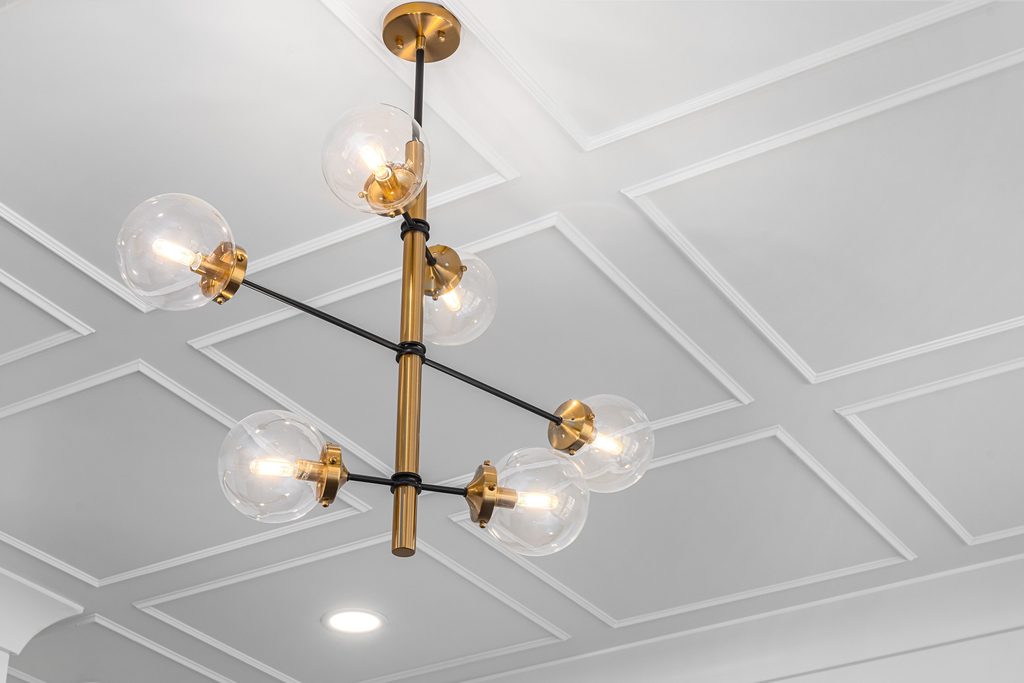
A brass fixture can complement warm wood and traditional interiors, while black or brushed finishes may work well with contemporary spaces.
Common Selection Mistakes
Choosing by Appearance Alone
A chandelier may look attractive online but still be unsuitable for the room.
Consider its dimensions, light output, mounting height, and electrical requirements before making a purchase.
Selecting a Fixture That Is Too Large
Oversized chandeliers can dominate smaller rooms.
They may also interfere with sightlines or make the ceiling feel lower.
Choosing a Fixture That Is Too Small
A small chandelier can become visually insignificant in a large dining room or high-ceilinged foyer.
Room scale should always be considered alongside the fixture’s actual dimensions.
Ignoring Bulb Compatibility
Not every bulb works with every chandelier or dimmer.
Check the manufacturer’s specifications before purchasing replacement bulbs.
Forgetting Ceiling Height
A fixture that works well in a tall foyer may not be appropriate for a standard-height bedroom ceiling.
Measure first and choose the mounting configuration accordingly.
Installation and Placement
Installation requirements vary according to the fixture, ceiling construction, electrical box, and existing wiring.
Center the Fixture Correctly
For a dining table, position the chandelier over the center of the table.
For a living room, consider the room’s main seating arrangement and architectural center.
Check the Junction Box
A chandelier can be heavier than a standard ceiling light.
The electrical box and mounting hardware must be capable of supporting the fixture.
Do not attach a heavy fixture to an unsuitable box.
Maintain Proper Clearance
The bottom of the fixture should provide enough clearance for people and furniture.
In dining areas, position it high enough to maintain comfortable sightlines across the table.
Use Professional Electrical Help When Needed
If installation involves new wiring, ceiling-box replacement, circuit modifications, or other electrical work, use a qualified electrician.
Turn off power at the appropriate disconnect before electrical work begins, and verify that the circuit is de-energized using suitable procedures.
Cleaning and Maintenance
Regular cleaning can keep an evelyn chandelier looking its best and help maintain useful light output.
Remove Dust
Dust can collect on frames, shades, bulbs, and decorative elements.
Use a soft, dry cloth or the cleaning method recommended by the manufacturer.
Clean Carefully
Do not spray cleaning products directly onto electrical components.
For glass or removable decorative parts, follow the manufacturer’s care instructions.
Check the Hardware
Occasionally inspect visible screws, mounting components, and decorative connections.
If the fixture appears loose or unstable, stop using it until the cause has been addressed.
Replace Bulbs Correctly
Replace bulbs with products that match the fixture’s socket, wattage, and temperature requirements.
If a fixture begins flickering after a bulb change, check compatibility rather than assuming the bulb is defective.
Interior Design Ideas
The evelyn chandelier can work as both a functional light source and a central decorative feature.
Create a Focal Point
Use the chandelier as the visual anchor of a dining room or entryway.
Keep competing decorative elements restrained so the fixture remains part of the room’s visual hierarchy.
Pair With Wall Lighting
A chandelier does not need to provide all the room’s illumination.
Wall sconces can add softer side lighting, while table or floor lamps can provide localized illumination.
This layered approach creates more flexibility.
Coordinate With Furniture
Consider the shapes already present in the room.
A rounded chandelier can complement a round dining table, while a linear design may work well above a rectangular table.
Use a Dimmer
Dimming allows the room to change from bright functional lighting to a softer evening setting.
Always confirm that the fixture’s bulbs and dimmer are compatible.
U.S. Room Recommendations
Dining Rooms
Use the chandelier as a central lighting feature above the dining table.
Warm or neutral light can provide comfortable illumination for meals and gatherings.
Living Rooms
Choose a fixture that fits the ceiling height and furniture arrangement.
Use additional lamps or accent lighting if the chandelier does not provide enough task or ambient illumination.
Bedrooms
A compact chandelier can provide decorative overhead lighting.
Keep the installation height appropriate for the ceiling and room layout.
Entryways and Foyers
Larger spaces can accommodate taller fixtures.
In a two-story foyer, consider the full vertical space and visibility from upper floors.
Kitchens
A chandelier can work over a dining nook or kitchen table.
For work surfaces, combine decorative lighting with dedicated task lighting.
Home Offices
Use the chandelier as ambient lighting while relying on a desk lamp or focused fixture for detailed tasks.
U.S. Electrical Considerations
The installation location matters as much as the fixture itself.
Residential electrical work should follow applicable national, state, and local requirements.
The National Electrical Code provides widely used requirements for electrical installations in the United States, while local jurisdictions may have additional permitting or inspection requirements.
Requirements can vary depending on whether the project involves a simple fixture replacement, new wiring, or a larger electrical modification.
When in doubt, consult the fixture manufacturer, a qualified electrician, or the authority having jurisdiction before installation.
Resd Also: Oyster Shell Chandelier
FAQs
What is an evelyn chandelier?
It is a decorative ceiling lighting fixture designed to combine overhead illumination with an interior design element.
Where can a chandelier be installed?
Common locations include dining rooms, living rooms, bedrooms, foyers, entryways, and kitchen dining areas.
How do I choose the right chandelier size?
Consider the room dimensions, ceiling height, furniture size, and available installation space.
Can a chandelier use LED bulbs?
Yes, when the LED bulb has the correct socket, wattage, size, and compatibility for the fixture.
Can I use a dimmer?
A dimmer can be used when the fixture, bulbs, and dimmer are compatible.
How high should a dining chandelier hang?
The appropriate height depends on the table, ceiling, fixture design, and room proportions. Maintain comfortable sightlines and adequate clearance.
How often should a chandelier be cleaned?
Cleaning frequency depends on dust levels, room conditions, and fixture design. Inspect it periodically and clean when visible buildup appears.
Can I install a heavy chandelier on an existing ceiling box?
Only if the electrical box and mounting hardware are rated to support the fixture’s weight.
Is professional installation necessary?
Professional assistance is recommended when installation involves new wiring, electrical modifications, or a fixture that requires additional structural support.
Conclusion
Choosing an evelyn chandelier is about finding the right balance between appearance, scale, light quality, and installation requirements.
Start by measuring the room and ceiling. Then consider the furniture, fixture dimensions, bulb specifications, finish, and desired lighting effect.
Avoid selecting a chandelier based solely on its appearance. A fixture must also provide suitable illumination and work with the existing electrical installation.
Placement is equally important. Center the fixture over the intended area, maintain appropriate clearance, and make sure the mounting point can safely support its weight.
For U.S. homeowners, electrical requirements can vary by project and location. Simple fixture replacements may differ from installations involving new circuits or wiring changes, so confirm applicable requirements before work begins.
Regular cleaning and inspection can also help maintain the fixture’s appearance and performance.
When properly sized, installed, and coordinated with the rest of the room, an evelyn chandelier can provide a practical source of overhead illumination while serving as a distinctive part of the interior design.


Pingback: Marjorie Chandelier Right Style for Your Home - LED CCT